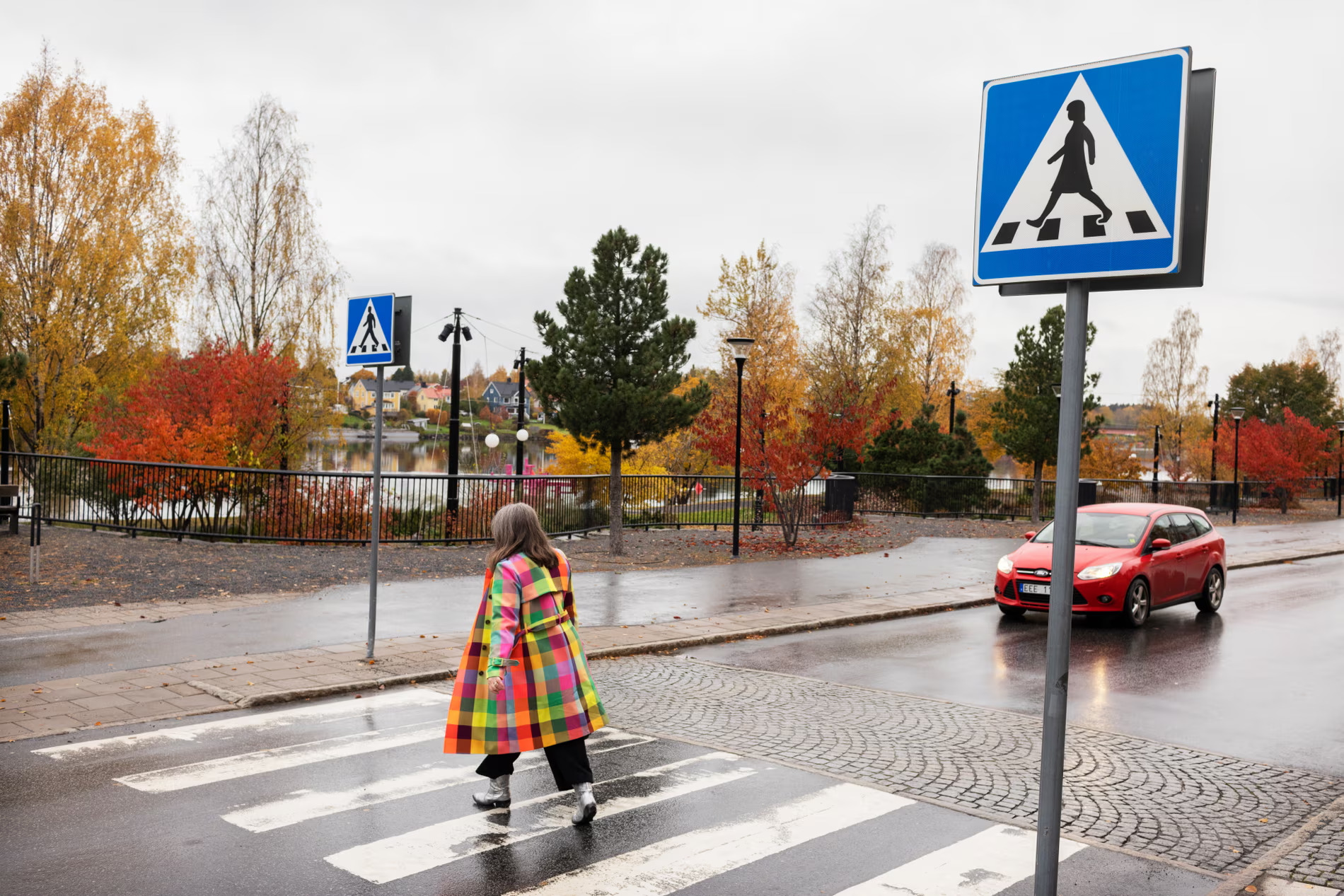
Un article dans The Guardian sur la ville d’Umeå en Suède où les aménagements sont pensés en fonction de l’égalité de tous les genres.
So what makes Umeå such a great place to be a woman? To find out, I spend a day shadowing Annika Dalén and Linda Gustafsson, the city council’s gender equality officers. It would be hard to find anyone on Earth who is more enthusiastic about the exciting world of “gender awareness in the urban environment” than these two.
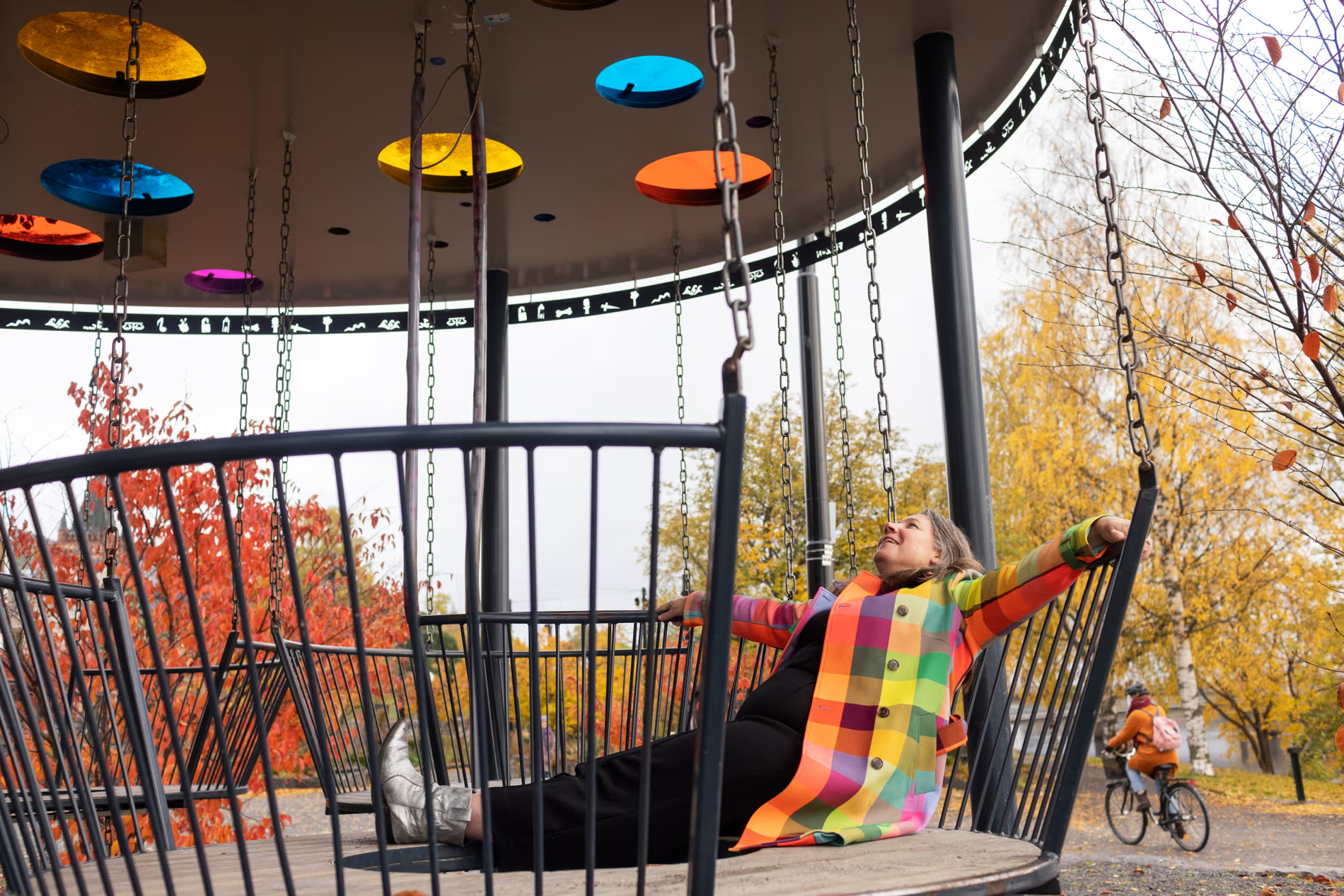
An instant example, close to the puma, down towards the river, is a swinging seat where I feel unusually comfortable. Why? The seat was commissioned as part of a special project that canvassed the views of teenage girls, and is designed with average female height in mind: 165cm, my height. I’m not about to demand that every piece of municipal furniture in the world be created to my precise specifications. But it’s nice to experience it for once.
This underpass for pedestrians and cyclists is flooded with light and you can see easily from one end to the other, with no corners. “This is an anti-violence space. It’s a space where you have the perception of safety,” Gustafsson says. “We can’t promise that nothing will ever happen. You cannot build a certified ‘safe space’. But the point is that women are not afraid of public spaces. They are afraid of men in public spaces.”
Une histoire insolite en Chine. Des milliers de personnes à vélo ont bloqué la circulation pour une soupe aux dumplings
It started as a social media quest for breakfast dumplings, but ended with thousands of cyclists bringing traffic gridlock between two cities in central China.
What should have been a boost to the ancient city of Kaifeng’s economy backfired when the trend went viral - tens of thousands on rented bikes cycled through the night from nearby Zhenghou.
A six-lane expressway between the two cities quickly filled with cyclists as police took to loudspeakers urging them to leave. Bike rental firms warned they would remotely lock bikes taken out of Zhengzhou.
The event is part of a trend where young Chinese are travelling cheaply at a time when the economy is faltering and job prospects are scarce.
There was no official estimate of the number of bicycles on the road on Friday night. But reports on social media suggest the number ranged from 100,000 to 200,00
Ça coûterait 48 M$ pour enlever les liens cyclables à Toronto
Le démantèlement de pistes cyclables sur les rues Bloor et Yonge ainsi que sur l’avenue University, à Toronto, coûterait 48 millions de dollars aux contribuables ontariens, selon un rapport de fonctionnaires municipaux présenté aux conseillers mercredi.
Le gouvernement Ford a déposé un projet de loi pour obliger les municipalités à obtenir son autorisation avant d’aménager des pistes cyclables qui retrancheraient une voie de circulation pour les automobiles.
Ce projet de loi va plus loin : il autoriserait le retrait de portions de pistes cyclables sur les rues Bloor Ouest et Yonge ainsi que sur l’avenue University à Toronto. Les fonctionnaires municipaux indiquent dans leur rapport que la facture de 48 millions de dollars représente le coût du démantèlement de l’ensemble des pistes ou de certains tronçons.
Les intersections protégées de style néerlandais se multiplient
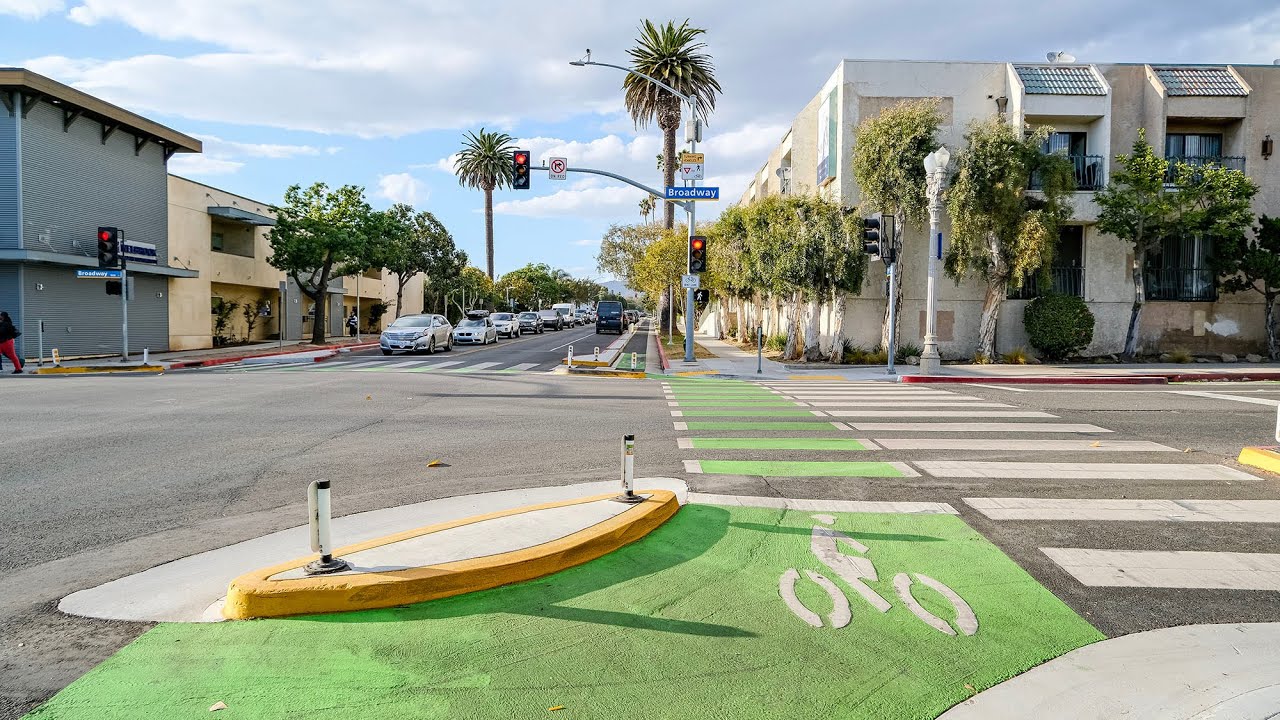
Southern California’s First Protected “Dutch-Style” Intersections
“Watch out, Amsterdam”, declared Santa Monica Mayor Gleam Davis when she cut the ribbon on the newest addition to their growing cycling network: the concrete-curb-protected 17th Street bikeway, which features Southern California’s first-ever protected “Dutch-style” intersections.
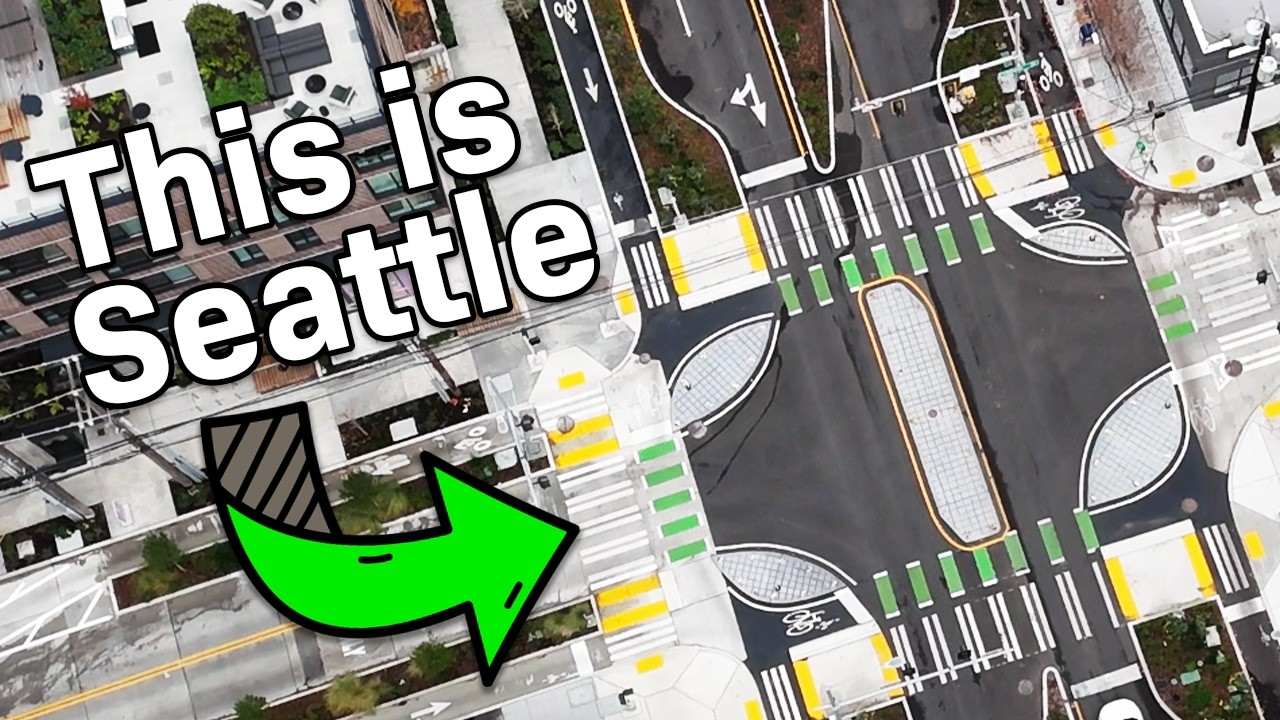
These two junctions are a translation of best practice from the Netherlands—including corner islands that force motorists to slow their speed, take a more perpendicular turn, and visually acknowledge crossing pedestrians and cyclists; significantly improving safety for all users.
Le gouvernement Ford a ajouté un amendement de dernière minute à son projet de loi 212 : interdiction de poursuivre le gouvernement en cas de blessure ou de décès…
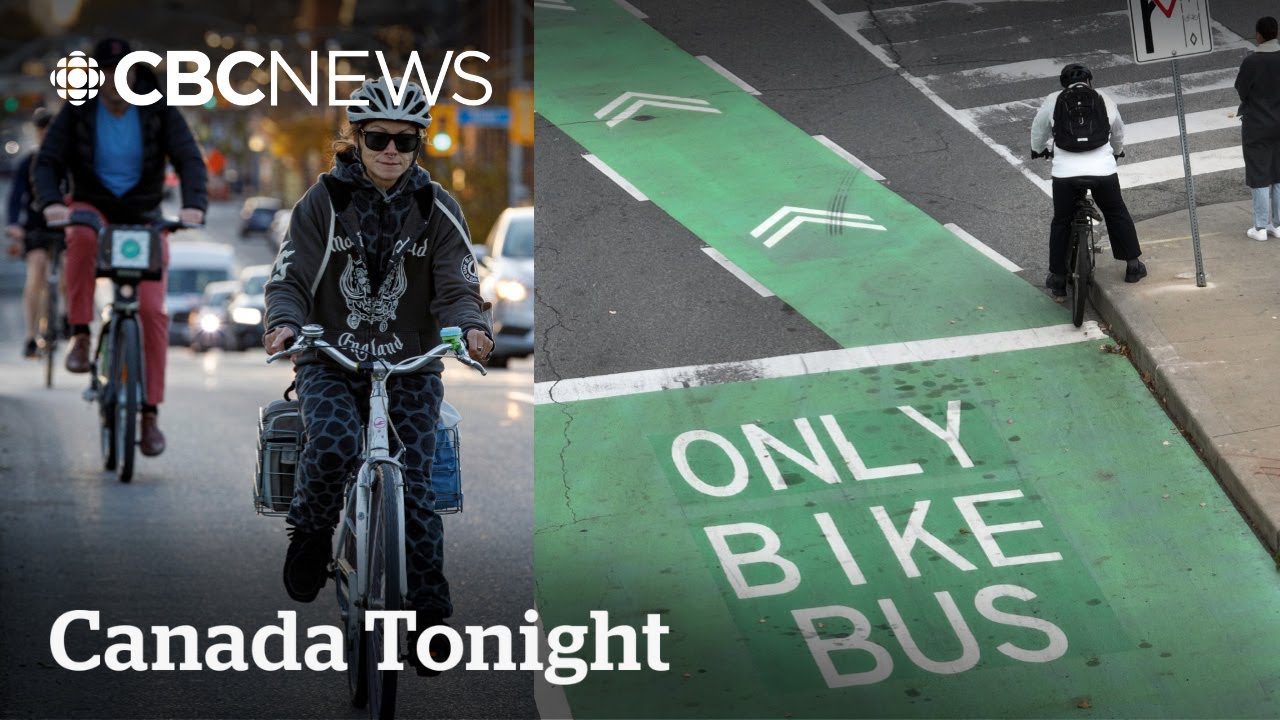
Hurt cyclists can’t sue Ontario under new amendment to bike lane bill, NDP says | Canada Tonight
Opposition MPPs in Ontario say new changes to the Ford government’s controversial bike lane bill would mean cyclists or their families can’t sue the province if they’re hurt or killed after bike lanes are removed. Dave Shellnutt, founder of The Biking Lawyer LLP, discusses the potential impact on cyclists.
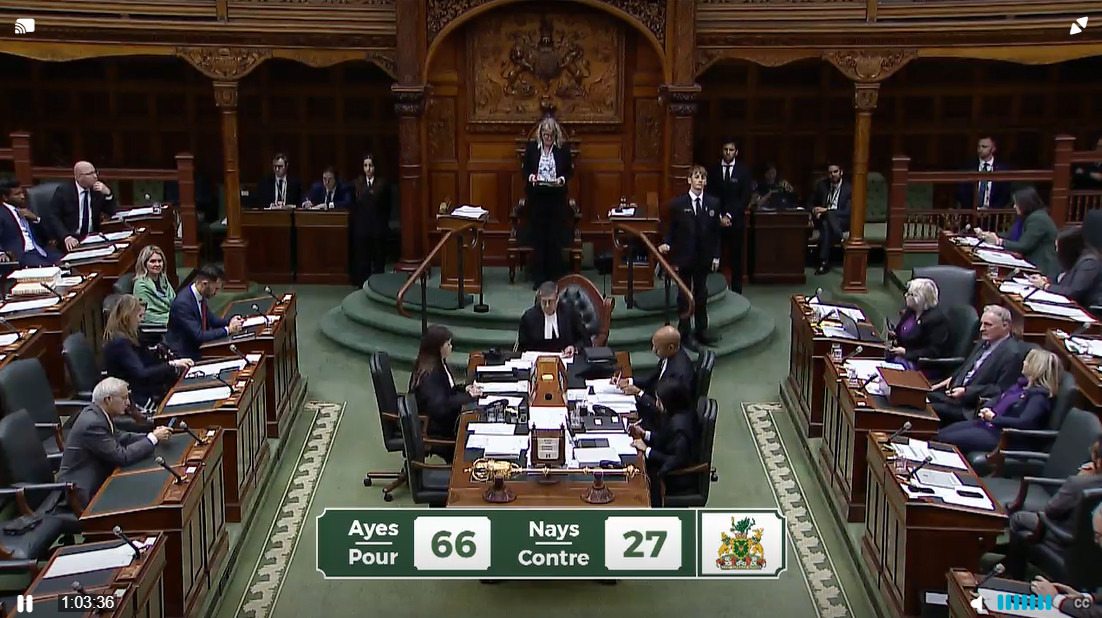
Le projet de loi 212 de Doug Ford a passé au vote à l’Assemblée législative aujourd’hui
The Ontario government has officially passed Bill 212 — a controversial piece of legislation that gives the province sweeping control over municipal bike lanes and lets construction of Highway 413 begin before Indigenous consultation or environmental assessment is complete.
The fast-tracked bill, which passed at Queen’s Park Monday, requires municipalities to ask the province for permission to install bike lanes when they would remove a lane of vehicle traffic.
It also goes a step further and allows the removal of three major Toronto bike lanes on Bloor Street, Yonge Street and University Avenue — though the specifics of if all three of those lanes or just sections of them will be ripped out remains up in the air.
bon… un ancien ministre conservateur, Kevin Klein, voudrait que d’autres gouvernements/administrations imitent l’Ontario
Without solid data, it’s impossible to justify the continued expansion of bike lanes across Winnipeg. How can we accurately evaluate the return on these investments without knowing how many residents use these paths, particularly in winter when they remain empty but are plowed before many secondary roads? These decisions are being made without examining the facts, with a council that appears more influenced by a small but vocal bike lobby than by the real needs of Winnipeggers.
Il faut des données solides pour accorder de la place aux vélos voire aux piétons, par contre pour l’automobile pas besoin. C’est bien pratique cette façon de procéder.
Transformation de la capitale italienne de l’automobile, Turin, où est né Fiat
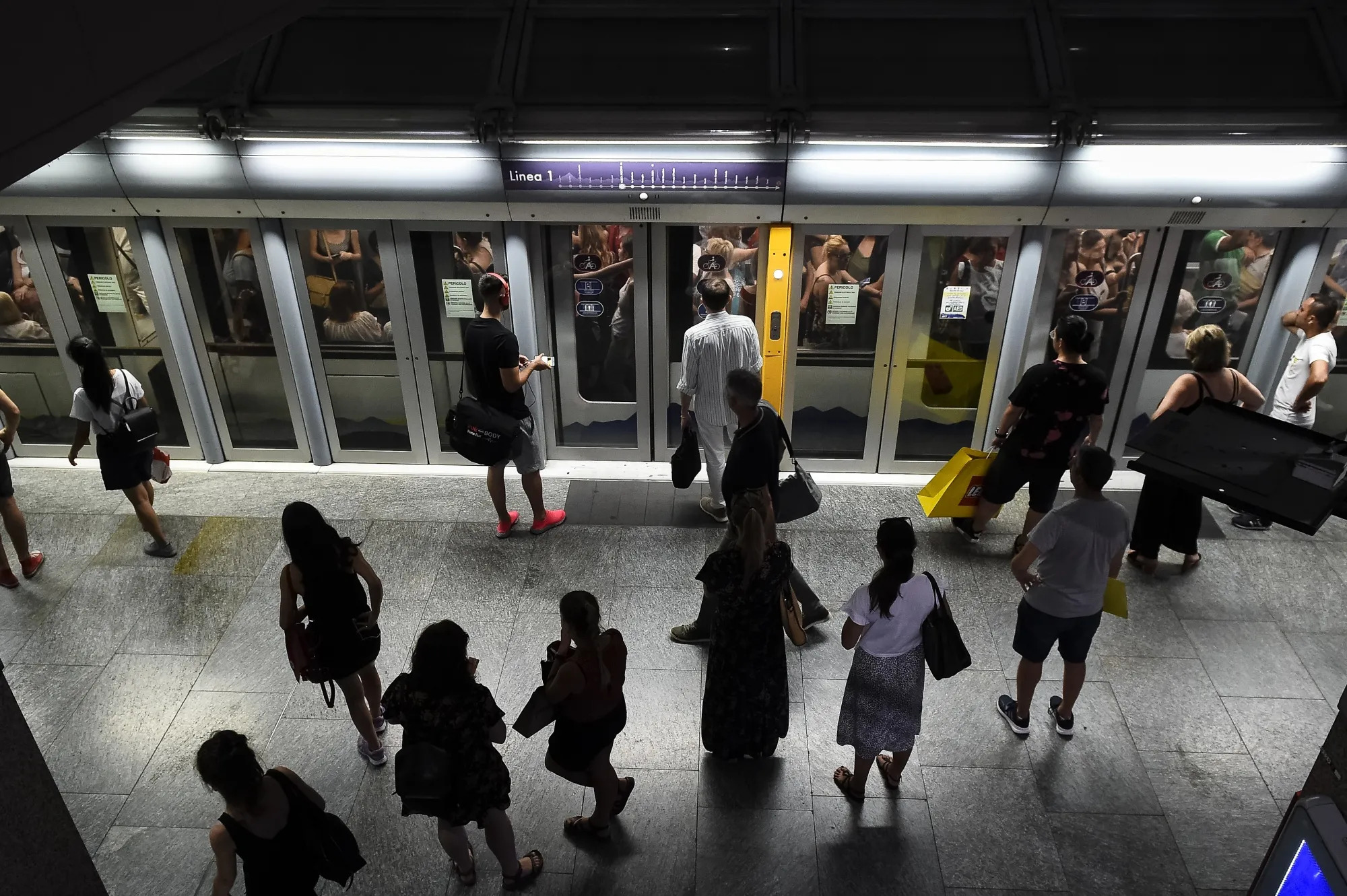
Son métro a 13 ans
The manufacturing hub is the home of Italy’s biggest automaker. But as the industry recedes, the city has been expanding its bike and transit infrastructure.
As the home of Fiat, the Piedmontese city of 850,000 has been the national hub for vehicle manufacturing for more than a century. And like Detroit, Turin has been rocked by the decline of its auto factories over recent decades.
But cars no longer define Turin like they once did.
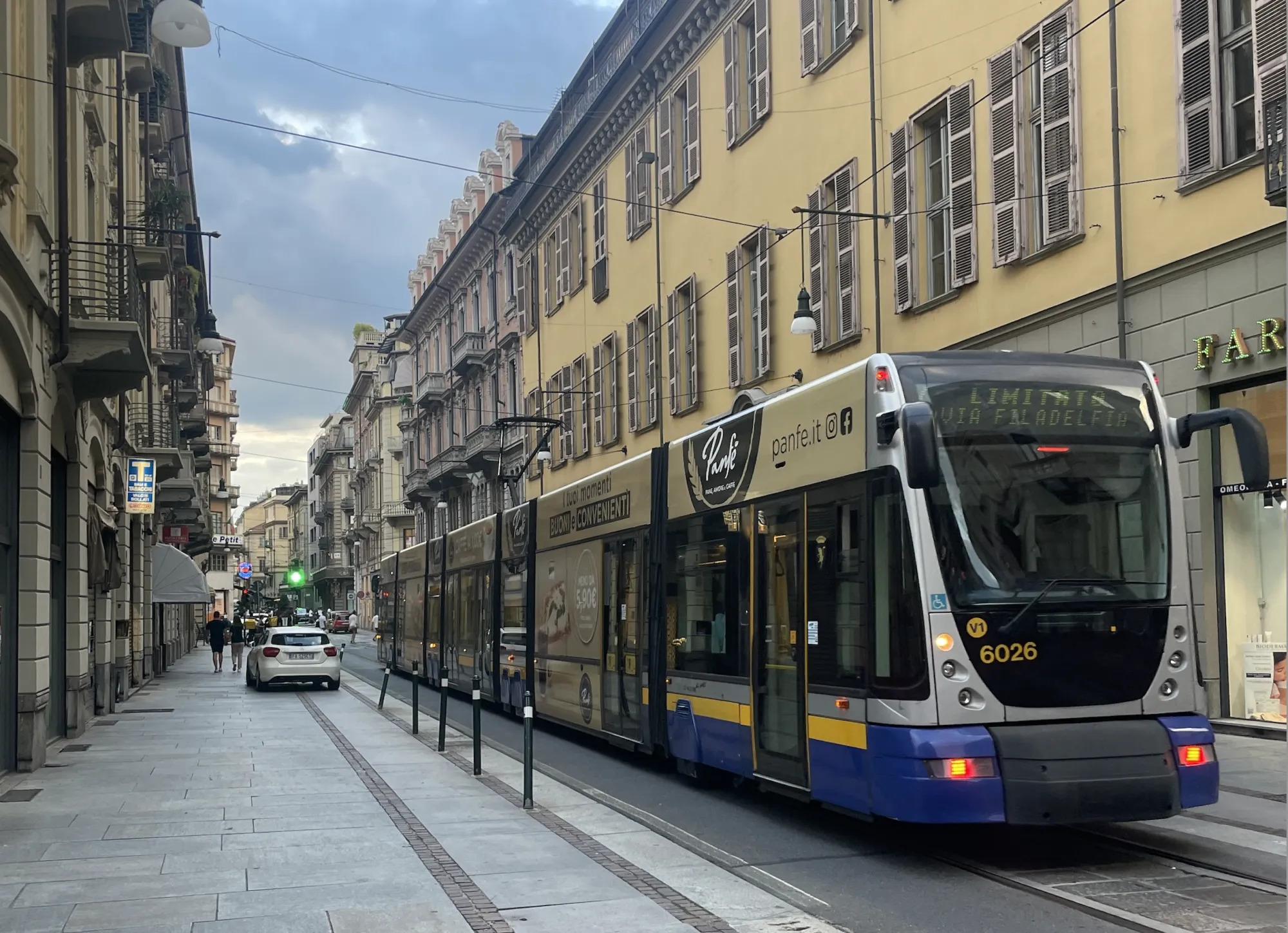
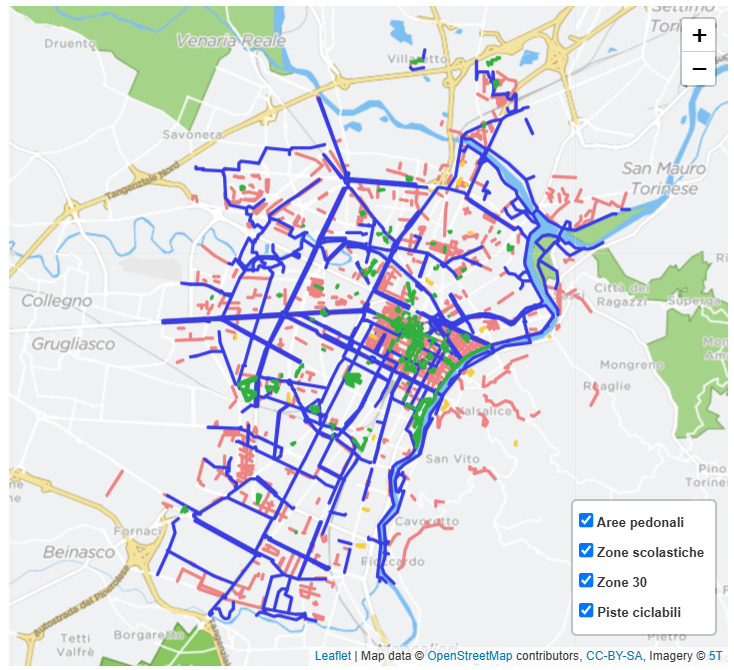
Turin’s evolution extends far beyond Lingotto. Today, Italy’s car city is crisscrossed by 80 bus routes, eight tram lines, 22 subway stations, and 258 kilometers of bike lanes for those choosing not to drive. Some 95% of Turin residents now live within 300 meters (0.2 miles) of a transit stop. According to a 2020 city report, fewer than half of local trips happen in a car.
C’est une question qu’on me pose beaucoup : pourquoi ne pas faire des couloirs bus / vélos de différentes couleurs ?
Je vais essayer de répondre du point de vue d’une collectivité territoriale.
Les pistes cyclables ou les couloirs bus, ont beaucoup “d’améliorations” à faire : être plus sécurisées, avoir des rebords adaptés, être perméables à l’écoulement des eaux de pluies, avoir des matériaux biosourcés, si possible des végétalisations le long du trajet et bien-sûr être visible.
À titre d’exemple, quand nous avons projeté le coût de notre réseau cyclable des Voies Lyonnaises dans la Métropole de Lyon, le coût pour nos 250 km était autour de 280 millions d’€, ce qui en fait l’un des réseaux les plus ambitieux de France.
Rajouter de la couleur revenait à doubler ce coût.
Comme nous n’avons pas de budget illimité, un arbitrage se pose : Quoi privilégier ? La sécurisation ? La perméabilité ? La visibilité ?
L’arbitrage est donc difficile.
Pour la solution choisie chez nous, nous faisons une couleur différente aux intersections. Nos pistes cyclables sont aussi conçues pour être perméables aux écoulements d’eaux de pluies et en grande partie biosourcé !
Je suis étonnée que ça coûte le double pour ajouter de la couleurs aux différentes voies







 . À regarder au complet!