4 milliards pour des portes pallières dans le métro de Toronto
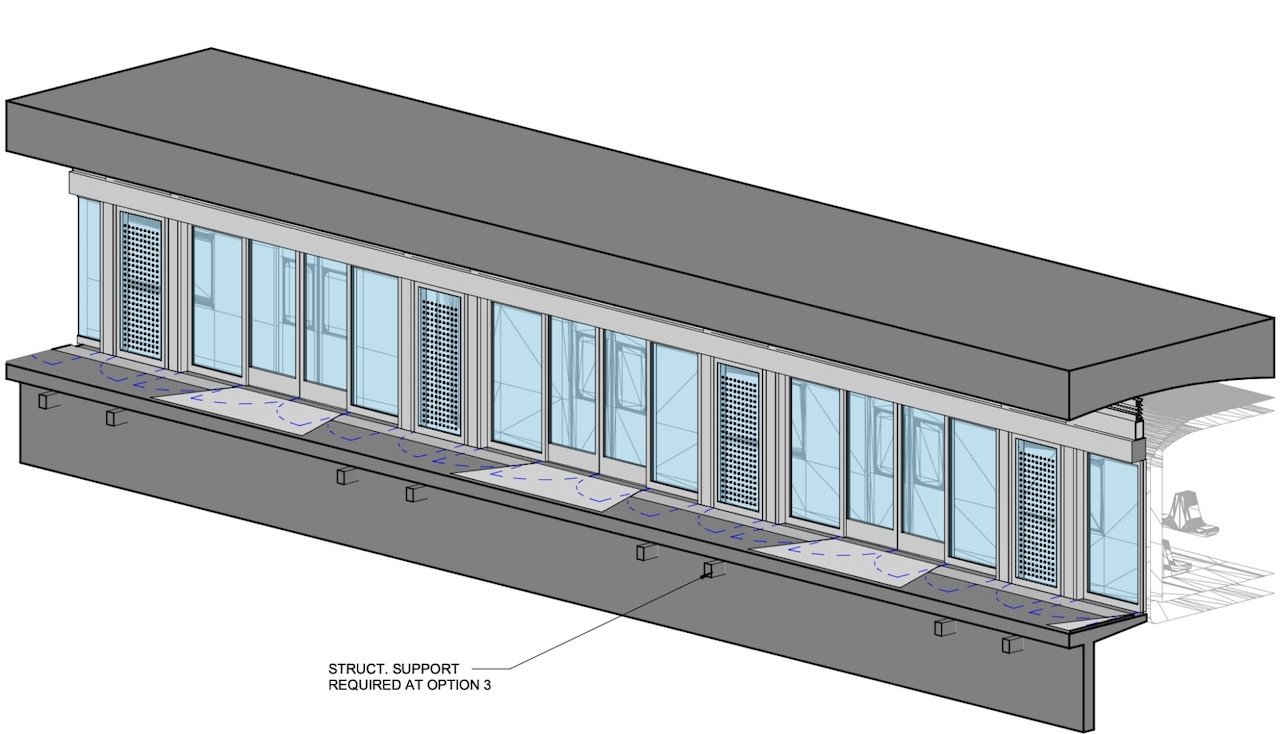
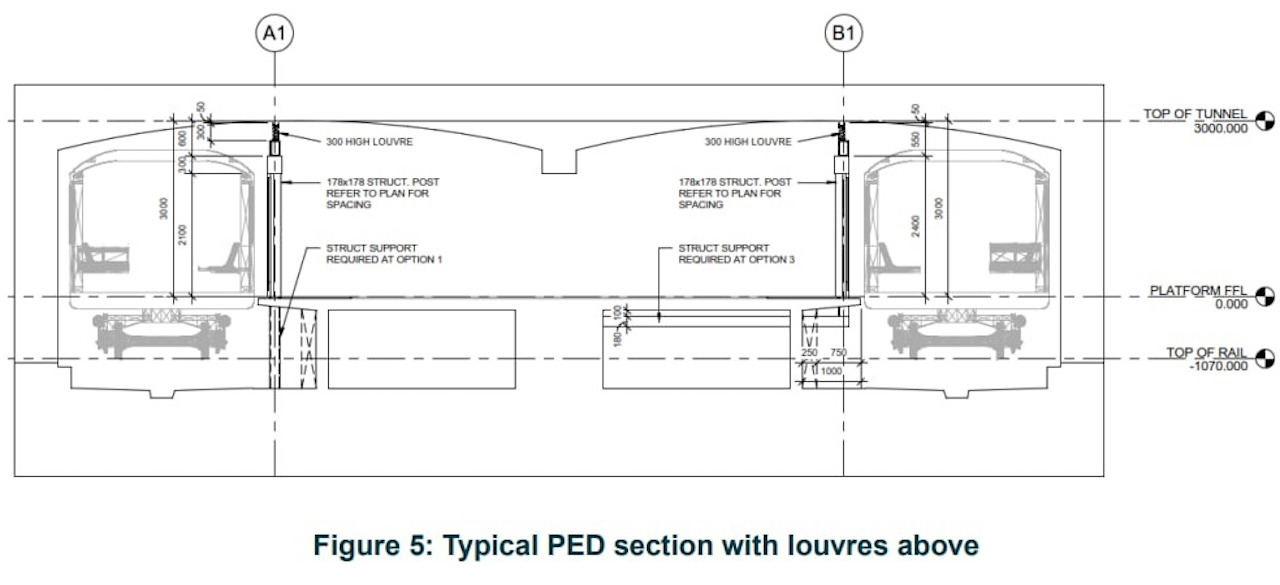
The expected cost of $40 to $60 million per station includes things such as cost escalation and is unsurprisingly quite high compared to international examples which are as low as a quarter the price, but the total cost to add screen doors to the TTC owned parts of the subway network at ~$4 billion feels like a acceptable if high cost for an upgrade that would make the rather large system much safer, more accessible, and modern, and would be less pricey than many major transit capital projects in the city these days.
The TTC is backing away from a pilot project that would see platform doors installed at Dundas station next year, saying it will instead ask a committee to consider the measure as part of its 2026 budget priorities.
The capital cost of a platform edge door system for Lines 1, 2 and 4 is estimated at $4.1 billion, according to a report that went to the TTC board at a meeting on Monday. The report says the average costs of the doors for two platforms at one station would be $44 million to $55 million.
Matlow said he would have liked the TTC to proceed with piloting the idea at a station.
According to the report, the pilot project would have helped to identify challenges in implementing the doors, including cost, risks, timing, constraints and feedback.
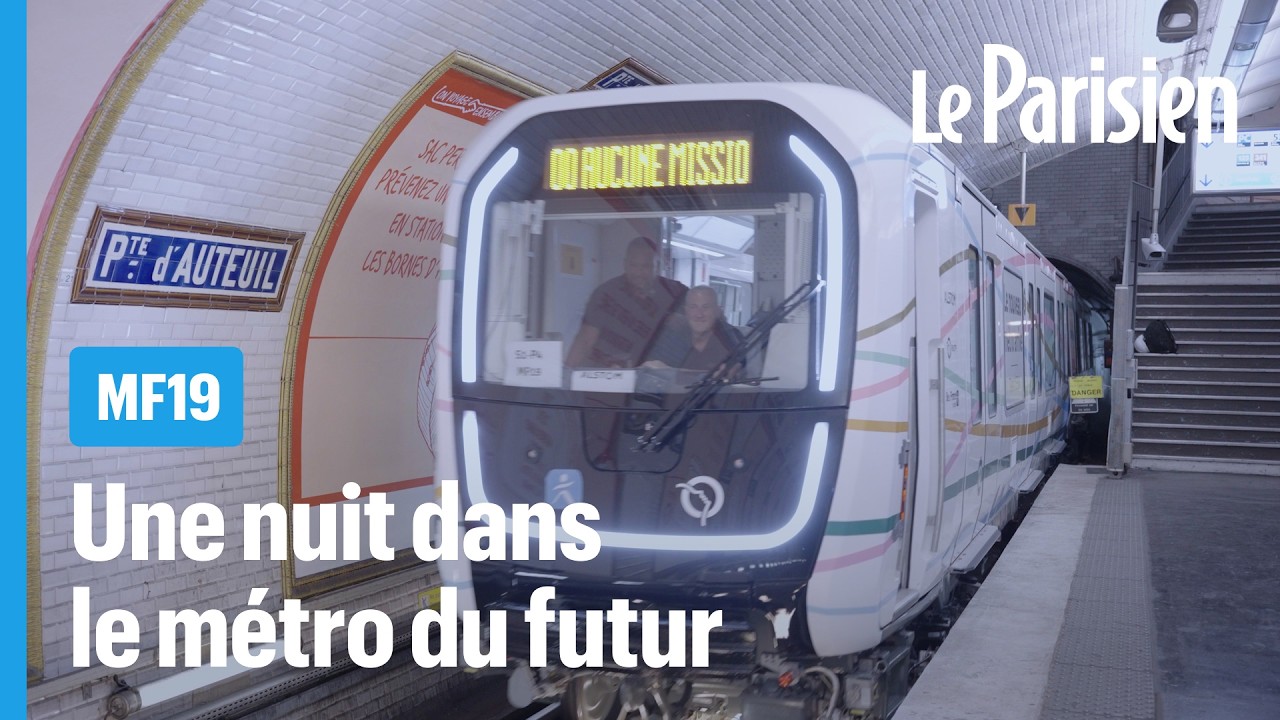
Discover Alstom’s DT6 at UITP 2025: Revolutionizing transportation for Hamburger Hochbahn AG
We recently met Robert Henrich, Chairman of Hamburg’s public transport operator Hamburger Hochbahn AG, for an exclusive interview about the groundbreaking DT6 metro trains.
The DT6 metro is set to revolutionise urban commuting with its driverless technology, higher capacity and stunning design. Running every 90 seconds, it ensures minimal wait times. Serving over 300,000 passengers daily, it’s a 20% capacity boost for the city’s public transport. Plus, it blends modernity with tradition by partially automating the older network.
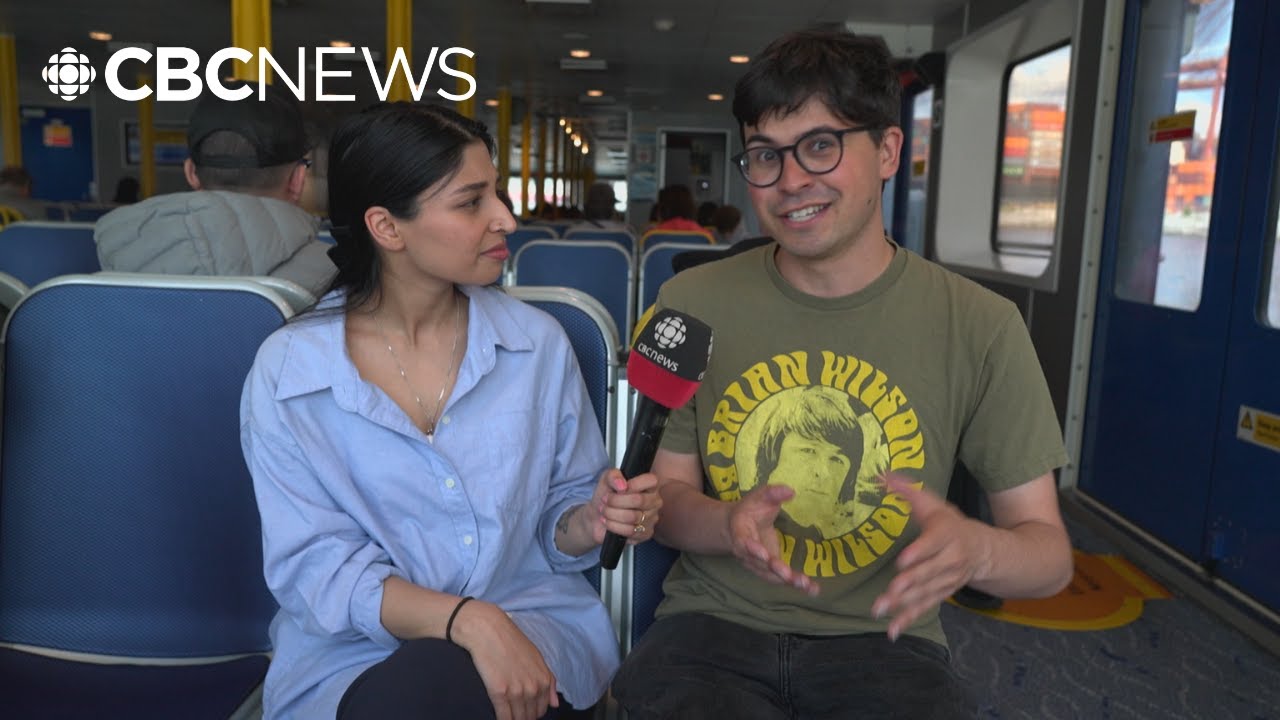
Miles in Transit en entrevue à CBC Vancouver News à board d’une navette fluviale!
Public transit enthusiast and vlogger takes a ride on the SeaBus
A popular Boston YouTuber fascinated by public transit recently trekked throughout Canada exclusively by bus. Now, Miles Taylor is in Vancouver checking out the West Coast Express and the Expo Line. He also took a ride on the SeaBus with CBC’s Shivani Joshi.
Ne me jugez pas mais je me suis déjà demandé si le Seabus était tiré par un câble (comme un funiculaire ou un manège de parc d’attraction)
Mais non, c’est un vrai bateau qui est capable de se propulser et qui arrive à entrer avec précision dans sa gare fluviale (la raison pour laquelle je pensais que c’était un câble)…
C’est un excellent moyen de transport entre North Vancouver et le centre-ville de Vancouver. Par contre, pas la possibilité de voyager à l’air libre comme nos navettes fluviales.
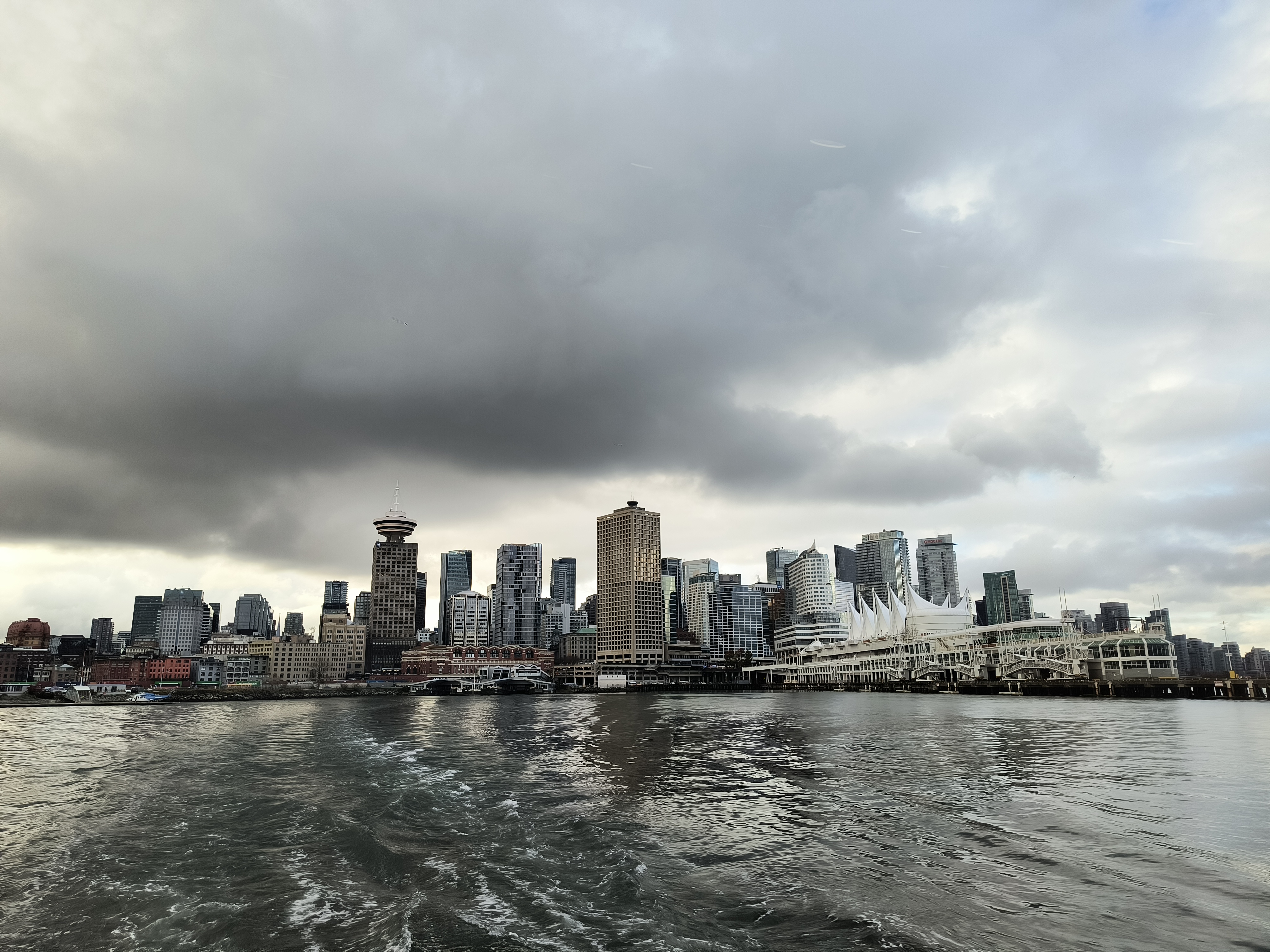
Si qqn ici voyage à Vancouver, le SeaBus est vraiment un expérience qui vaut le prix du billet. On a une belle vue des montagnes et de la ville.
Le bateau ne tourne pas entre les deux gares! Il est bidirectionnel. Le cockpit est au centre du bateau en haut pour que le conducteur puisse voir en tout direction!
Ajout: J’ai trouvé un photo du cockpit bidirectionnel!
Ce qui m’avait le plus impressionné lors de mon voyage à Vancouver en novembre dernier est à quel point le SeaBus est parfaitement intégré au reste du réseau de transport. Autant du côté de Vancouver avec le SkyTrain qu’au terminus d’autobus à North Vancouver.
L’aréna de Seattle a connecté Ticketmaster avec les billets de transport en commun. Les acheteurs de billets ont le transport en commun gratuit avec leur mobile. Une “subvention” mais c’est pas précisé si ça vient de la ville ou de l’aréna par un crédit carbone.


 On a une belle vue des montagnes et de la ville.