I’ve watched a lot of videos from Japan over the years and I’ve noticed something rather interesting about the way that they lay track on bridges. For the REM, CDPQ opted for slab track on the bridge. While this method does exist in Japan, the norm seems to be ballasted track on bridges. They lay them exactly the same way that they would on the ground. The reason that they do this is that ballast absorbs vibrations. This in turn reduces noise levels. This obviously requires bridges to be significantly stronger to be able to support the additional weight of ballast. We do have an exemple of this in Montreal with the bridge to Gare Centrale.
1 « J'aime »
Exact.
L’ARTM est aussi propriétaire de certaines voies réservées d’ordre métropolitaines, mais elle gère surtout des terminus. Les terminus non-ARTM appartiennent à l’OPTC qui l’occupe.
2 « J'aime »
Not quite.
The main issue is the avoidance of sudden changes of stiffness and thermal expansion in the track structure. I.e. if you have a sudden transition to slab track, as a train passes, the track bends under the wheels along the ballasted track, but is held stiff on the slab. The train therefore hammers the track, and the supporting structures, at the transition.
For vibrations, both types of track have different responses depending on the sound frequency, the ground underneath, and the track maintenance standards. There’s more options for vibration damping in slab track, but they have trade-offs.
1 « J'aime »
Sure, you can build a suspended (on springs) slab track, but that’s crazy expensive. That’s mostly done near places sensitive to noise and vibrations such as near historical buildings, or near opera houses. That kind of cost simply cannot be justified in most circonstances. The main solution that you see used is rubber pads like the REM did.
Anyways, regardless of the vibration damping performance, there are significant issues with tracks on rigid bridge structures. I thought I remembered reading a TSB report about a rail break caused by rail fatigue at such a transition, but the report linked below give a very detailed description of the problem and solutions (in the context of US HSR).
Nouvel épisode des retards de la ligne 15 sud. ça se pourrait même que la ligne 18 ouvre avant. La société des grands projets manque vraiment de sérieux avec les échéanciers du grand paris express on se croirait à Toronto.
1 « J'aime »
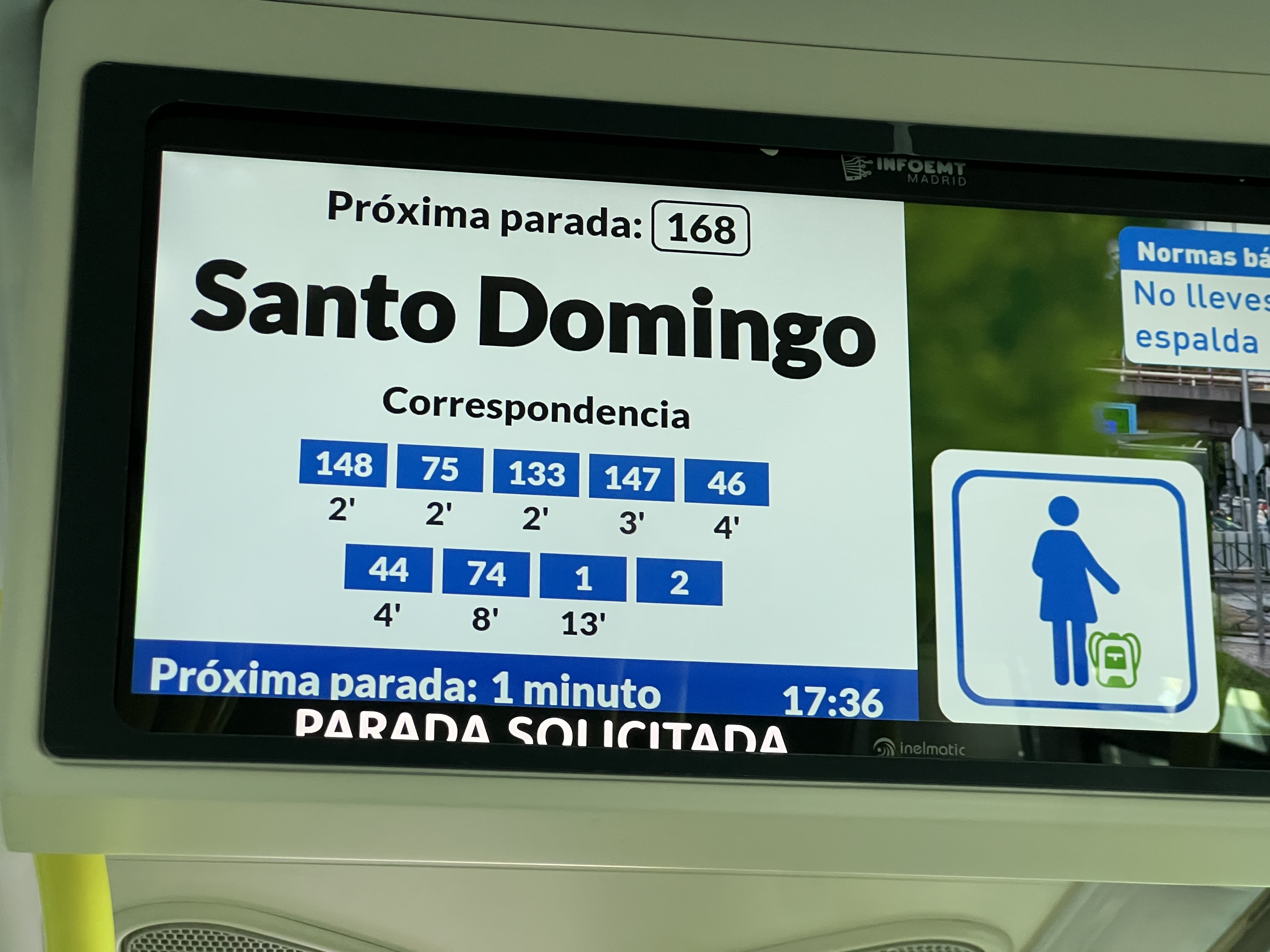
Les autobus de Madrid indiquent les correspondances aux arrêts de bus et même les temps réels avant les prochains passages.
11 « J'aime »
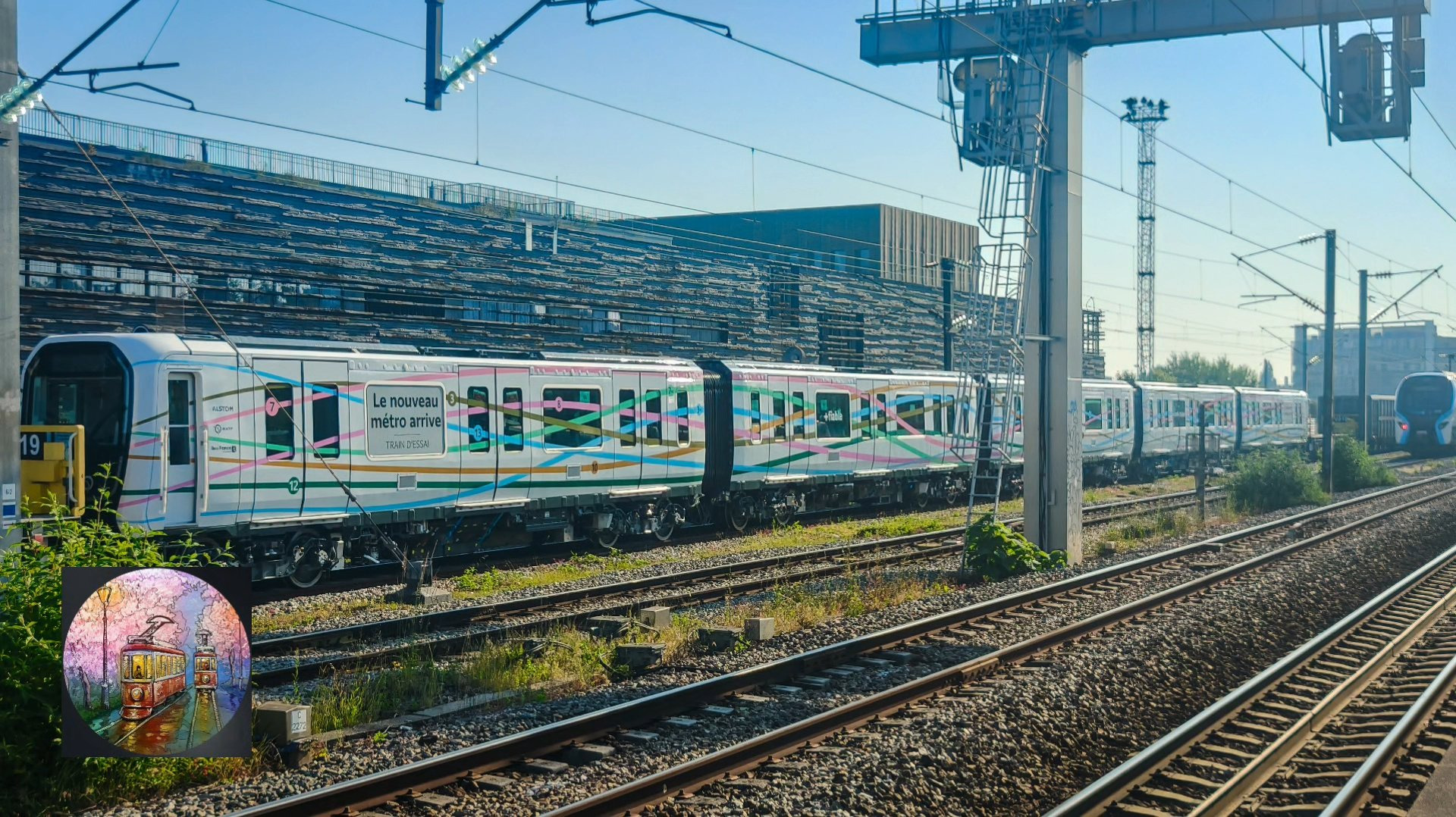
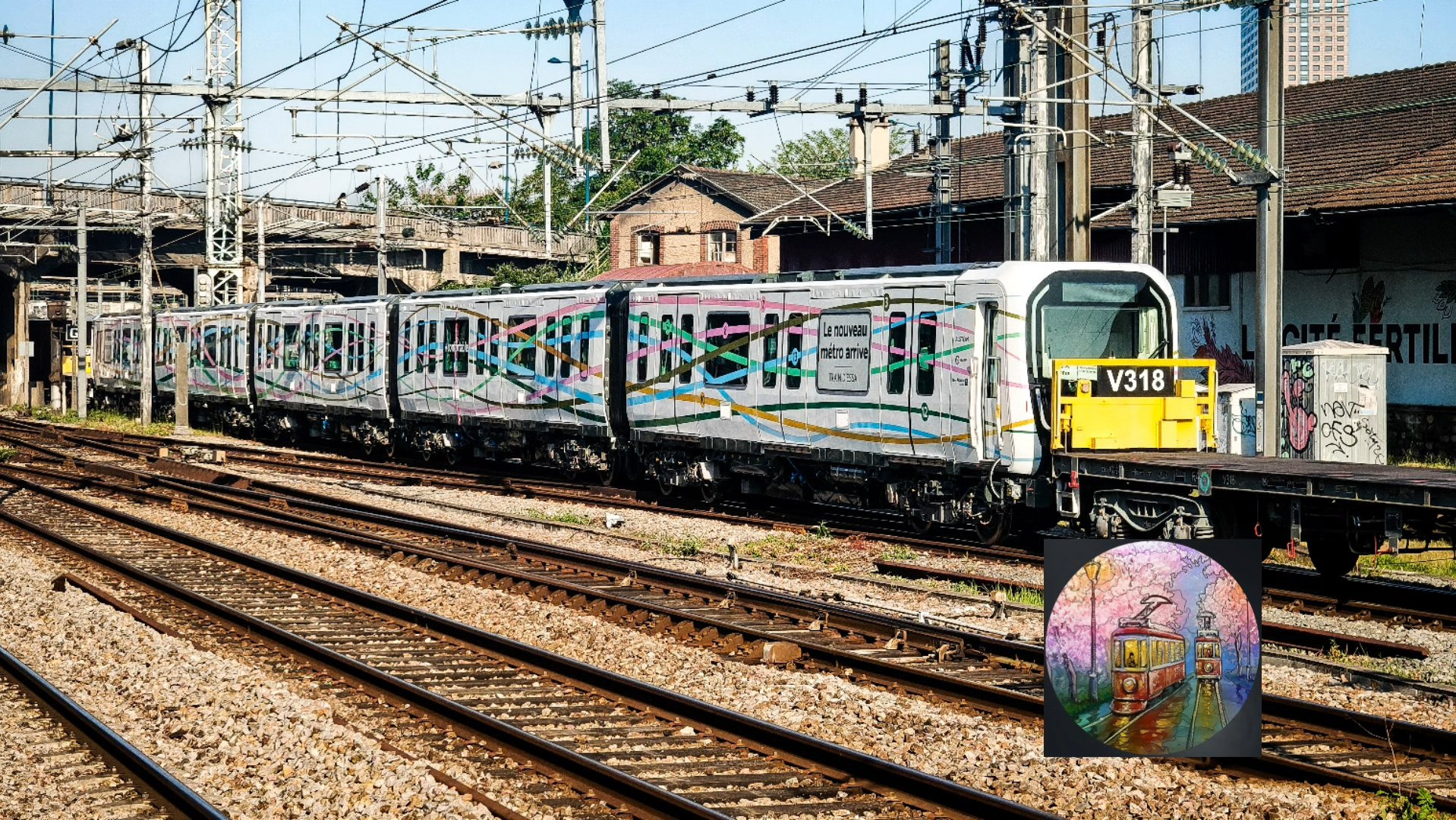
Fun fact : Les nouveaux trains MF19 arrivent directement par le réseau ferroviaire. L’atelier La Villette a un embranchement vers le réseau national.
4 « J'aime »
Ça ajoute du milage ça, non?
Ils ne sont pas fonctionnels ils sont transportés par des locomotives
Five-unit trains are awesome.
5 « J'aime »
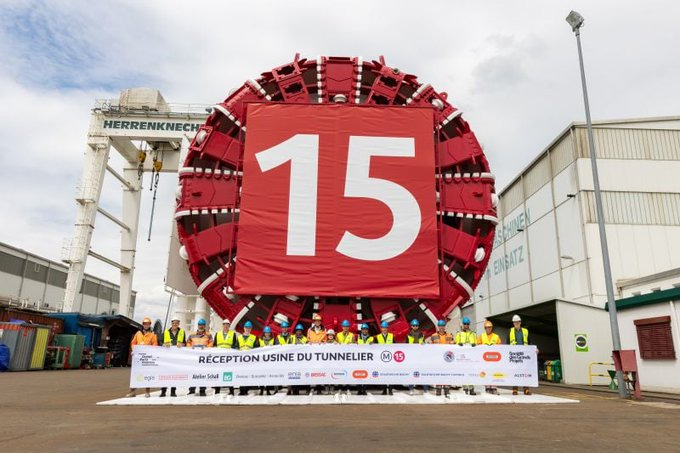
Le tunnelier de la ligne 15 Est va creuser entre St-Denis Pleyel et Bobigny cet automne.
Ce tronçon et la ligne 16 vont entre autre chose désaturer le T1 qui est complètement surchargé et sera prolongé.
4 « J'aime »
Before we move on, I want to go back to the relationship between public safety and your successful crackdown on fare evasion.
You’ve installed new fare gates — they’re much higher and trickier to jump over — and have coordinated aggressively with police. How much does the crackdown on fare evasion have to do with improved public safety on Washington Metro?
Well, maybe you’ll give the same answer to this question, but I’m curious. You’ve had 50 months of increased month-over-month ridership, which is fantastic.
How much of that you can chalk up to people who were riding anyway but weren’t paying, and now you’re measuring their rides because they’re paying?
Again, what we really have is the ability to track fare evasion rates then vs. now. We believe that since two summers ago, we’ve reduced fare evasion on the rail side generally somewhere between 82–85% on the system. That is a pretty significant change.
3 « J'aime »
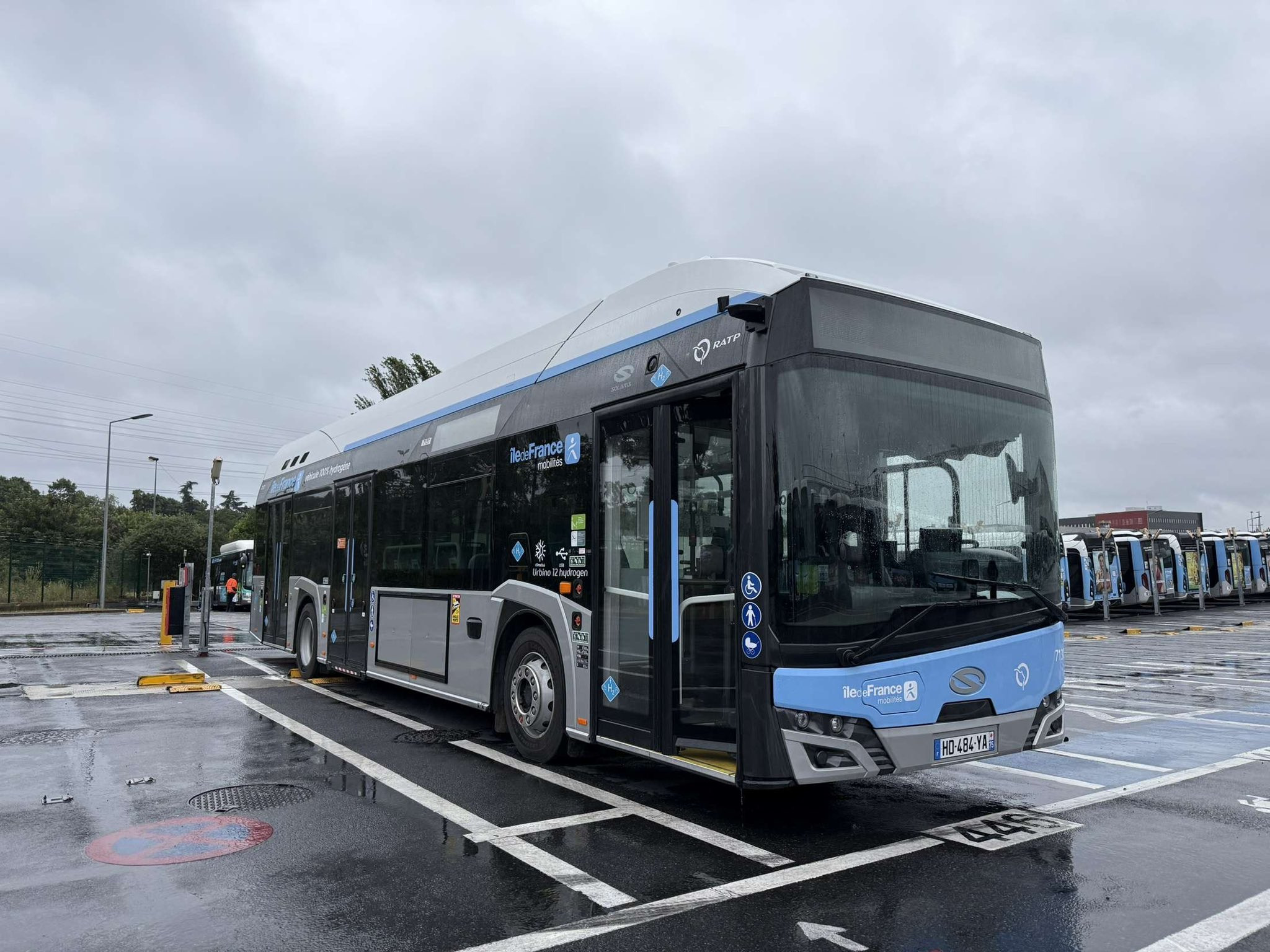
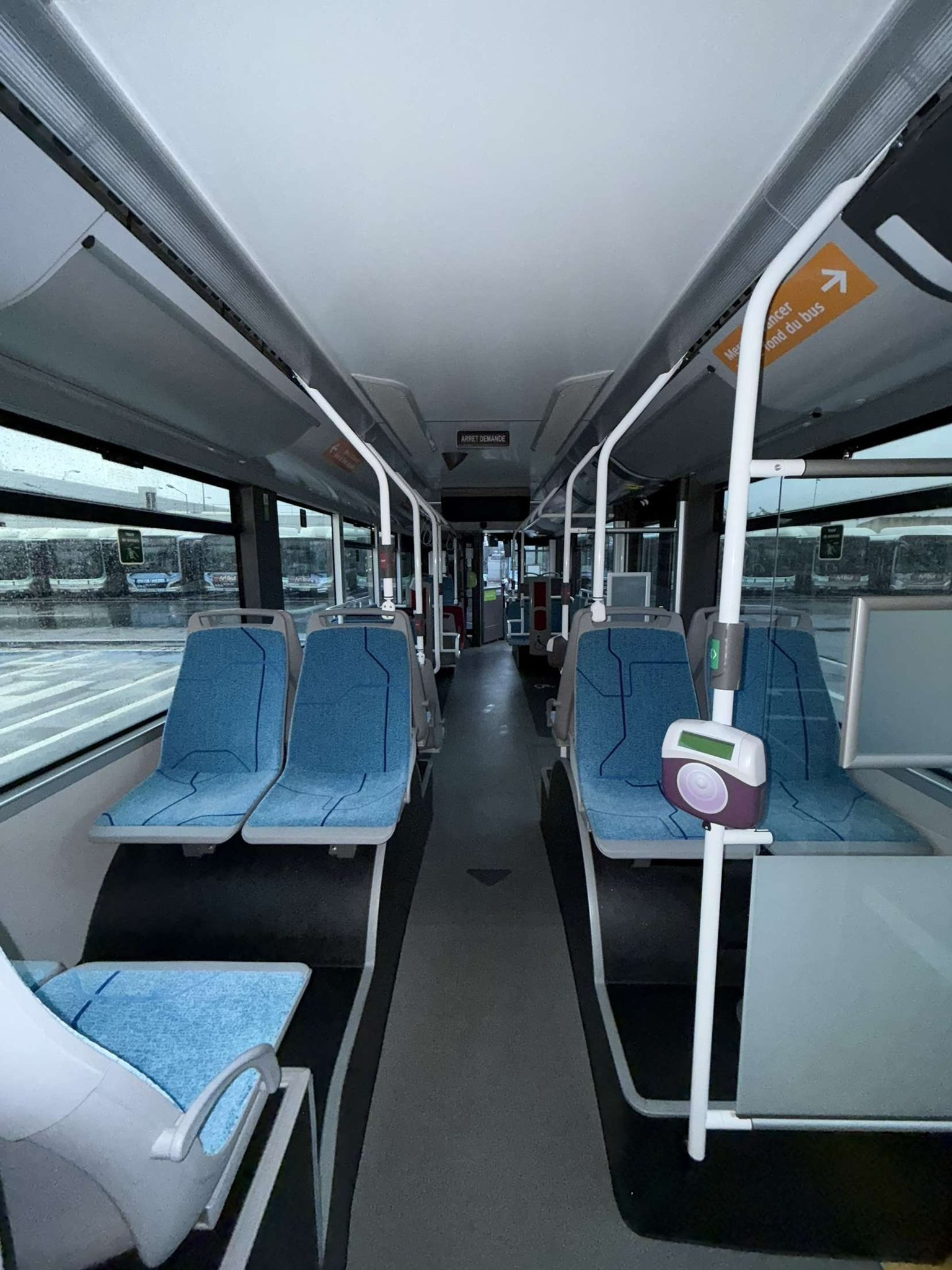
Rappel: 95% de l’hydrogène est fabriqué à partir de combustibles fossils. Le processus pour produire l’hydrogène est inefficace à un point tel qu’un moteur standard au gas ou au diesel émet moins de carbone que l’hydrogène. Bref, l’hydrogène, c’est du greenwashing.
13 « J'aime »
Ils ont aussi des bus CNG au biogaz qui est du gaz naturel. IDFM ne s’est jamais caché que son but est d’abord d’économiser de l’argent et réduire la pollution dans Paris en se foutant un peu de l’extérieur.
à Paris la ligne 4 a été prolongé de 2,7 km soit une hausse de 22% sur la distance précédente mais la flotte de trains n’a pas suivi (hausse moindre)
Résultat : des intervalles pires qu’en 2008 sont à prévoir en 2027. Un pensez-y bien pour la ligne bleue de Montréal !
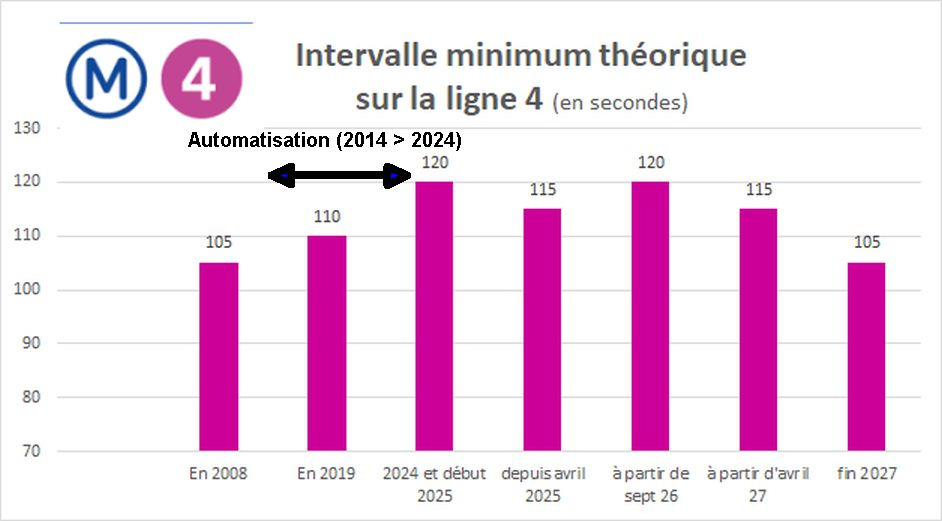
Une lecture du graphique dit que le même intervalle sera conservé.
Pour plus de passagers ça empire la situation