
4 « J'aime »
La Grande Vitesse Ferroviaire dans le monde Oui, oui, on parle même de nous!

3 « J'aime »
Quite honestly, I think that’s the wrong question. Past a certain point, there are some serious diminishing returns. The higher the speed, the straighter the line needs to be. That increases construction costs. The higher the speed, the longer it takes to get up to speed and the more energy it takes. Past a certain point, the gain in time for each extra km/h are minimal due to the time required to accelerate and decelerate between destinations and between track segments with slower maximum speed. Past a certain point, it simply ceases to make economic sense to try to increase speed.
2 « J'aime »
6 « J'aime »
I 100% agree with this statement. Speed should not be a goal. It should be a mean to achieve a goal.
If I was thinking of this at a high level I would probably say: I want my total time between Toronto and Montreal to be 3 hours, what speed do I need to achieve to reach that objective, also keeping in mind that average speed is more important than top speed.
3 « J'aime »
5 messages ont été fusionnés à un sujet existant : ALTO (TGV Québec-Toronto)
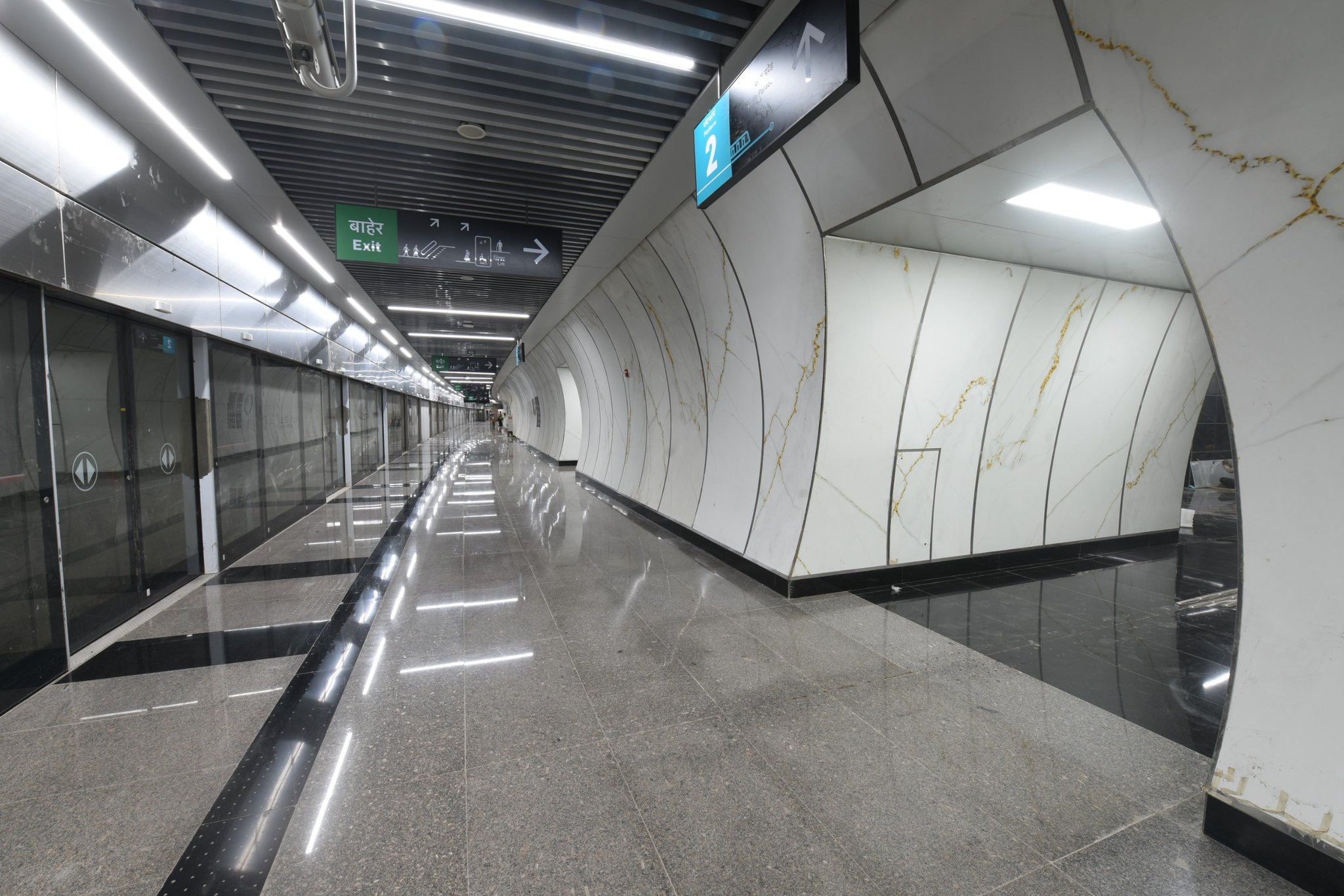
La nouvelle station Shitladevi Ligne 3 métro de Mumbaï. Elle va ouvrir bientôt.
source Indian Tech & Infra
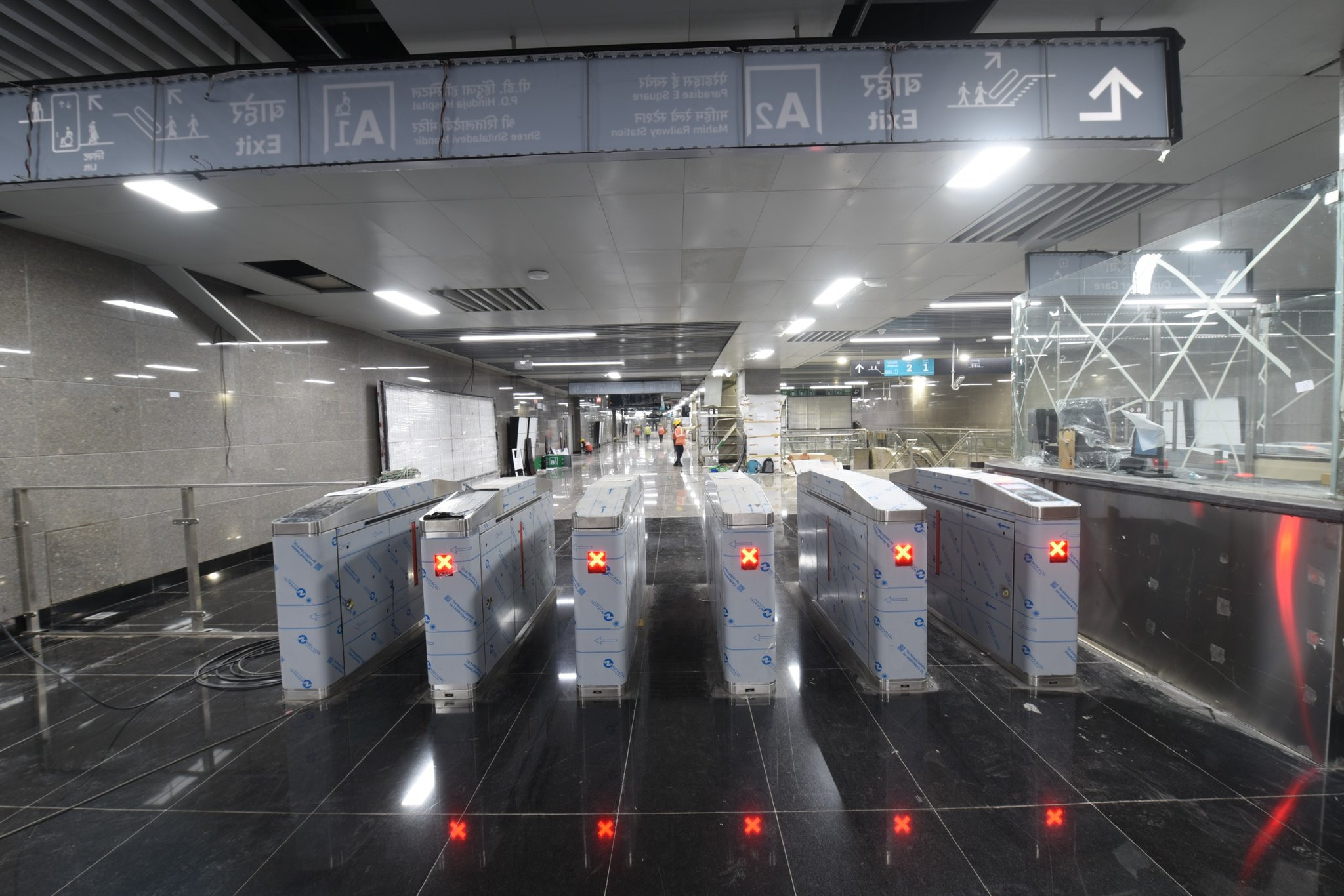
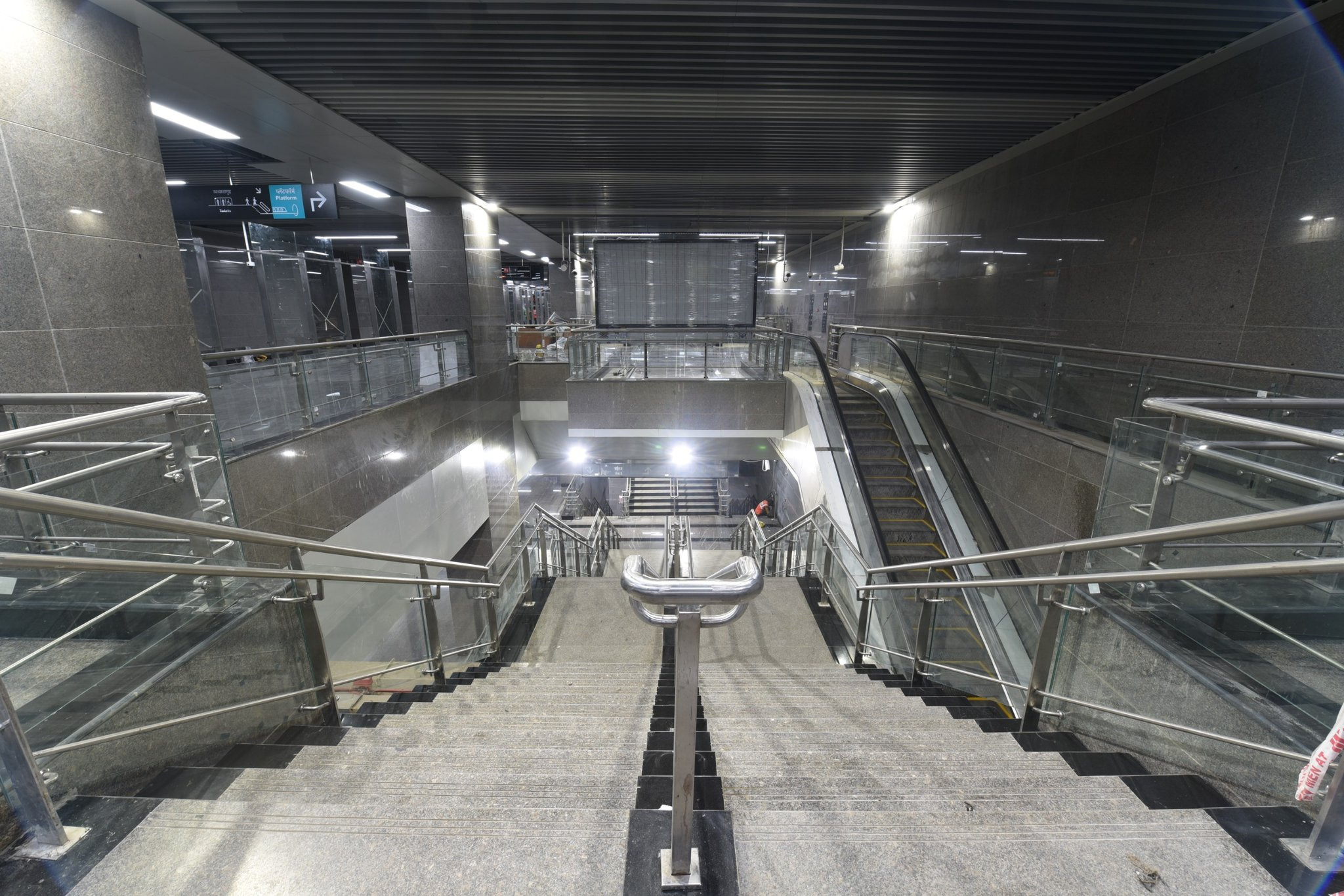
7 « J'aime »
Le Japon a créé une gare par impression 3D et l’a assemblée en 6 heures.
Elle remplace une gare désuète sur une ligne existante.
Quite honestly, I still have rather mixed feelings about 3d. I feel that it is great for prototyping and producing low volume parts, but for many other applications, I feels more like a solution in search of a problem. Building is clearly one of those cases. Building a station in 6 hours is nothing new for Japan. They’ve done it before.
This doesn’t prove the viability of 3d printed parts. It just proves that they can do the same thing that they’ve been doing for a while with 3d printed parts. The fact is that with anything that can be mass manufactured, you are still better off using molds and robots. Its faster and more durable than 3d printed parts.
What I’m saying is that even with all of the manufacturing technology that we have, a dedicated production line still beats 3d printing by a long shot. This is why there’s so much talk about prefabricated homes and so little about 3d printed homes. This is why I’ve been advocating that we should standardise things in the construction industry as much as possible. The steel columns that you find in Japanese skyscrapers are very similar to the columns that you’ll find holding up their viaducts and bridges.
2 « J'aime »
Isn’t that the point? It’s not a home or skyscraper. A train station is not exactly a mass-produced product, even in Japan where they have a load of them, and this is an example EXO could use.
A comparison, if we could do those for vehicles, would be to replace La Pocatière, because the current situation is that we have an assembly line constantly searching for a product to mass-produce, and it bleeds into politics and provincial economics.
Most Japanese train stations might as well be mass produced. Quite a few of them are a simple bolted steel beam structure with corrugated steel sheets for the roof. They are rather simple structures made of materials that are widely available. In many cases, they don’t even bother putting down a concrete slab for the platform. It is just a series of panels that are cut and screwed into the beams supporting the floor. For all of the precision engineering that Japan is known for, their train stations do have a tendency to be rather simple and austere. Even in Tokyo, you’ll find quite a few of theses.
1 « J'aime »
Photo random du metro de Londres. Plusieurs stations de faites, zéro itinérants et le paiement par carte de crédit
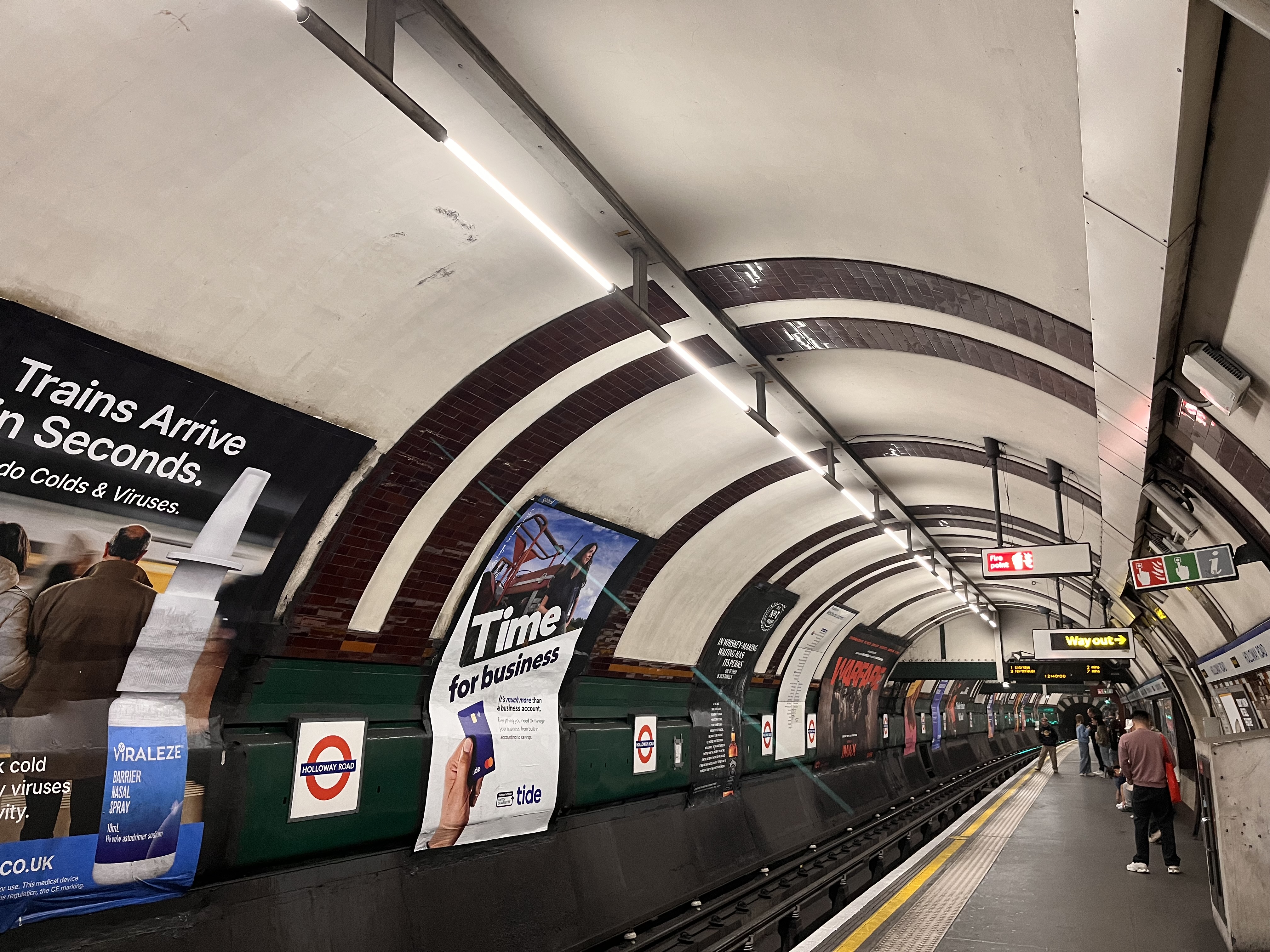
est

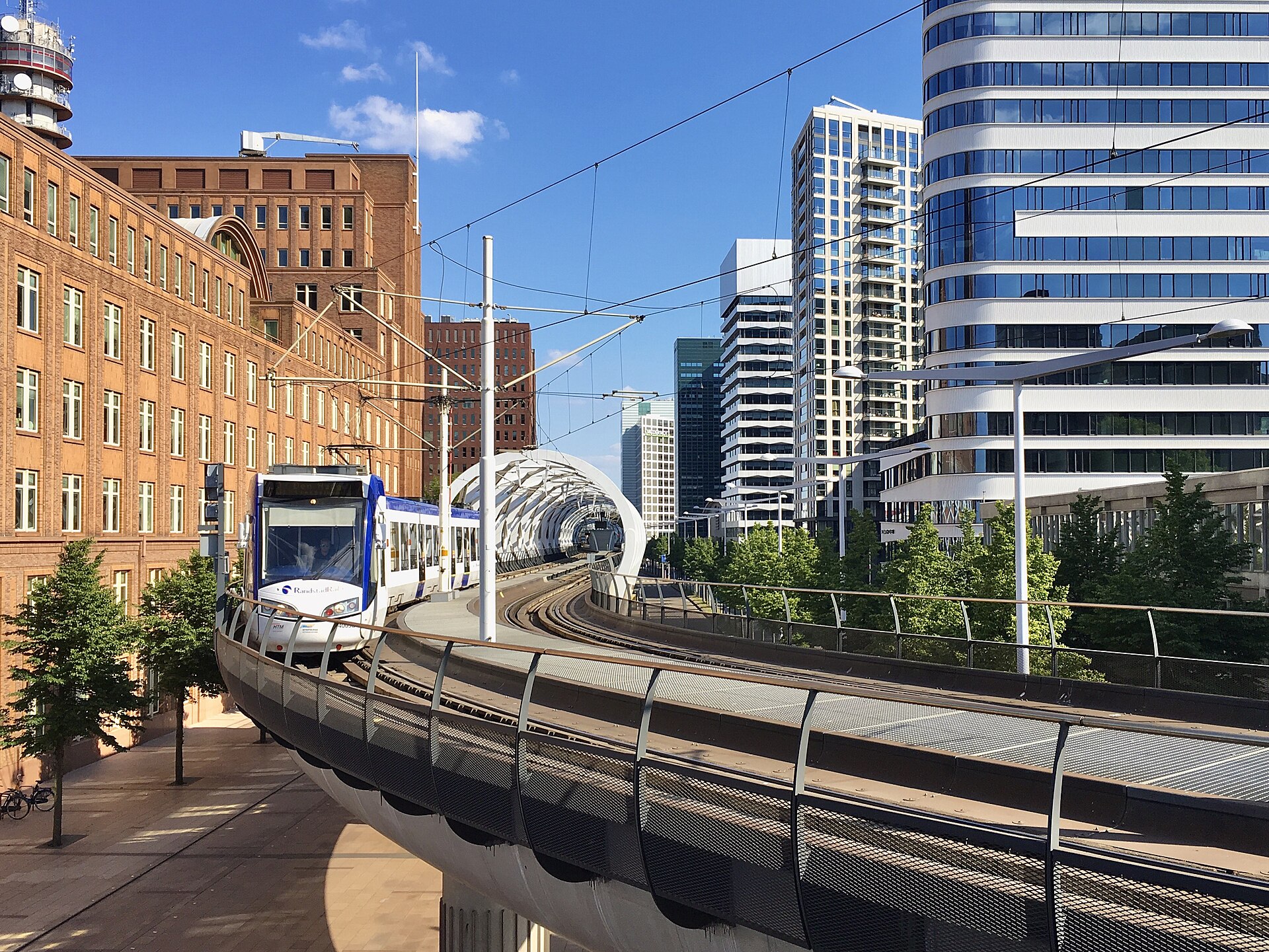
Un “presque métro” qui se prend pour un monorail…
J’aime juste les anneaux/structure en acier qui me fait penser un tunnel à ciel ouvert…
C’est clair, l’économie de cette ville a été anéantie, envahie par les zombies réveillés par cette structure d’une laideur incommensurable.
2 « J'aime »
Il a manqué le deadline.
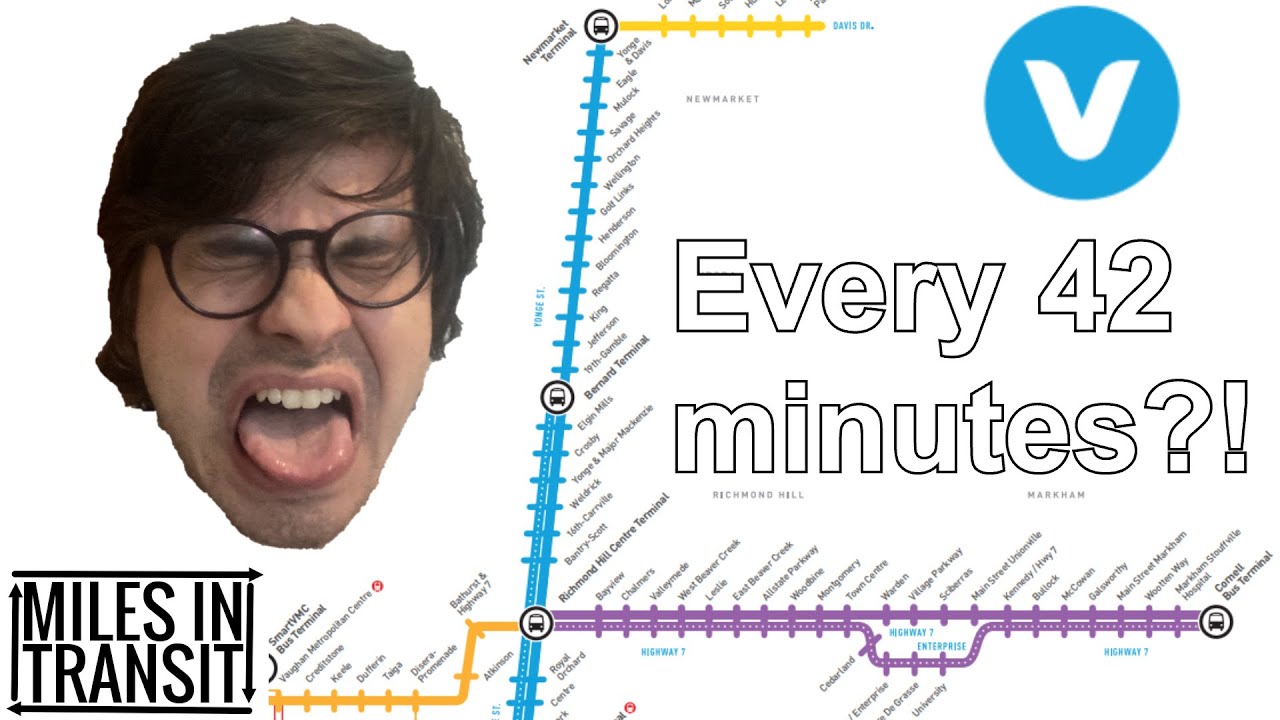
Vidéo de Miles in Transit sur le SRB décevant de York Region dans le grand Toronto.
5 « J'aime »