Considérant qu’une part des urbanistes veulent importer le modèle Américain et construire des LRT, disons que j’ai beaucoup de doutes pour le futur du transport au Québec. L’exemple de Toronto nous donne un assez bon indice que c’est loin d’être la panacea. La ligne Eglinton a des années de retard et n’est toujours pas ouverte. À ce rythme, on va avoir ouvert le reste des branches du REM avant que le reste de cette ligne soit ouverte. La construction a commencé en 2011.
Attention, je ne prône pas la gratuité des transports en commun, je n’ai fait que présenter des choix faits aux USA. La chose que je retiens dans cet article et sur lequel je suis d’accord c’est la vision qui est proposée:
Nous pensons que le transport en commun est une infrastructure, pas une entreprise, énonce M. Baker. Avec cet état d’esprit, la discussion entourant la gratuité du transport en commun devient beaucoup plus facile.
Cette même phrase garde tout son sens si on dit: avec cet état d’esprit la discussion entourant le financement du transport en commun devient beaucoup plus facile.
4 « J'aime »
Il serait quand même intéressant de savoir combien coûte la gestion globale de la tarification en terme de ressources humaines et maintien des équipements physiques (barrières infranchissables, distributrices de billet, bornes de validation en tout genre, infrastructure informatique pour faire fonctionner le système, etc) sur la part des recettes… J’imagine que quelqu’un a déjà fait le calcul et que malgré tout cela en vaut la peine.
1 « J'aime »
Selon les rapports financiers 2022 de l’ARTM, les revenus tarifaires s’établissaient à ~641M$. Le total des revenus était de 2 361M$.
Au niveau des dépenses, la billetterie métropolitaine a coûté 3M$ et l’ensemble des frais de vente et perception était comptabilisé à 22M$.
En 2019, les revenus tarifaires accotaient 1G$.
2 « J'aime »
Mobilité : Au Luxembourg, le succès (et les limites) des transports en commun gratuits.
Bon ceci dit Luxembourg (ville très riche, salaire moyen le + élevé en Europe, paradis fiscal, imposition très faible), c’est pas une énorme ville non plus.
1 « J'aime »
Donc ça reste largement rentable.
3 « J'aime »
Exact, selon ma compréhension de la chose.
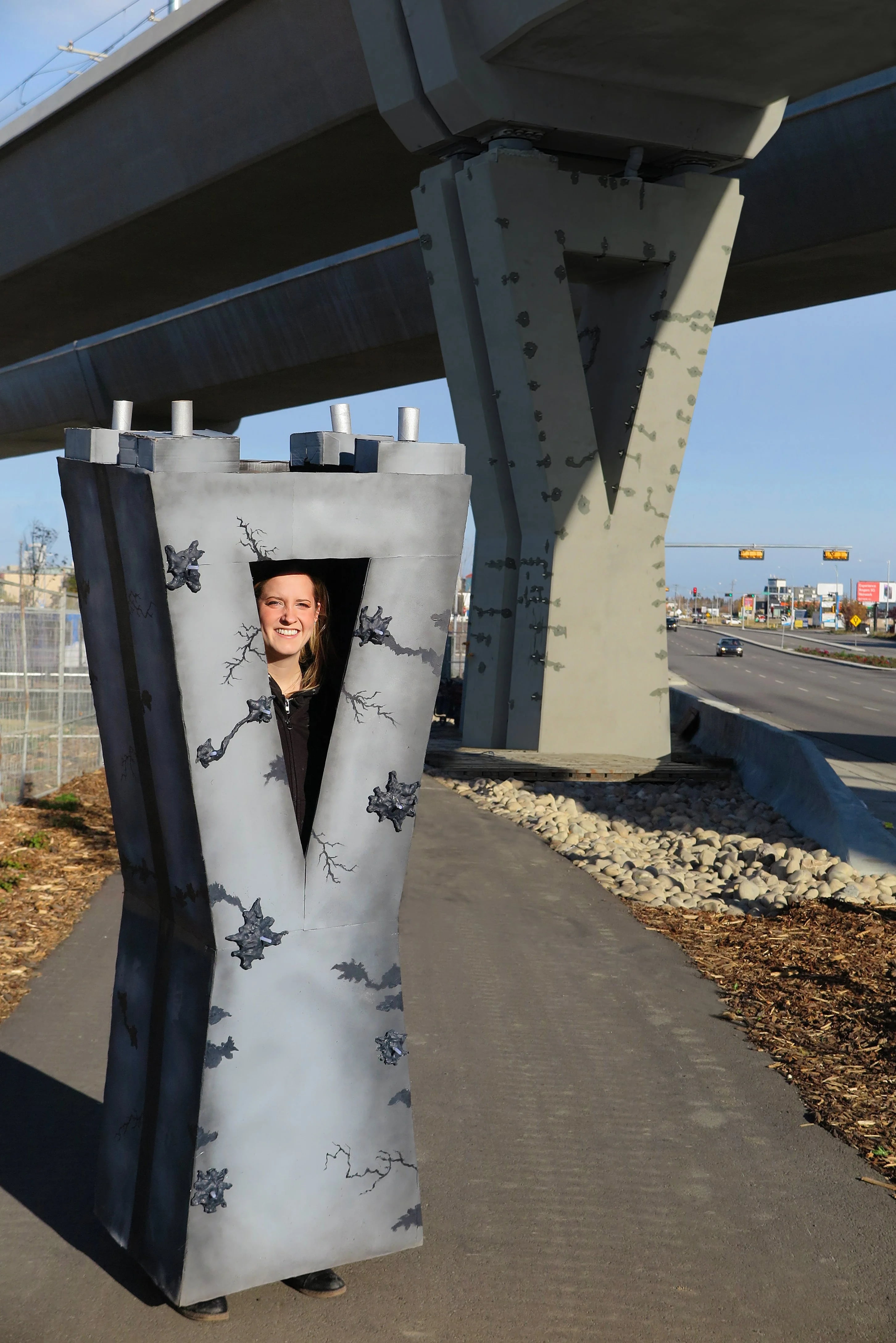
La Valley Line Southeast du train léger d’Edmonton a été inaugurée samedi matin

Rappel: c’est le réseau avec les piliers fissurés! Et quelqu’un avait décidé d’en faire son costume d’Halloween l’an dernier
6 « J'aime »
Ontario may have to operate 2 Toronto LRTs amid city budget crunch: documents
Both lines estimated to cost TTC around $106 million per year
Allison Jones · The Canadian Press · Posted: Nov 06, 2023 2:48 PM EST
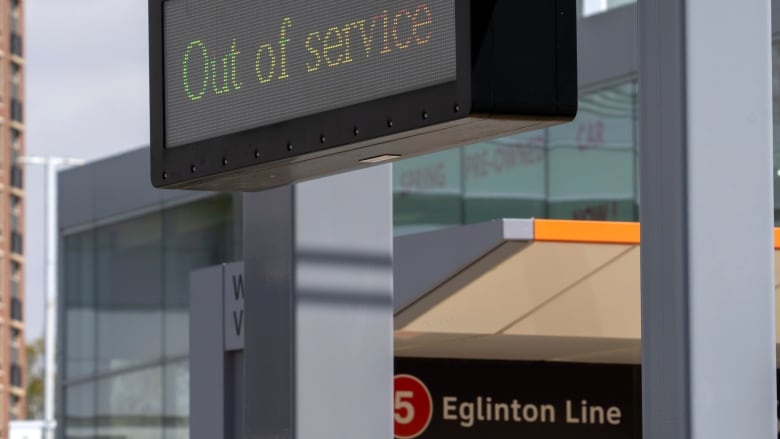
All major construction on the Finch West LRT is expected to be complete by the end of the year, while the Eglinton Crosstown is facing significant delays, with no confirmed opening date. (Frank Gunn/The Canadian Press)
Social Sharing
Ontario might have to assume operations of two light rail lines in the cash-strapped city of Toronto, Ministry of Transportation officials say in internal government documents.
The warnings about the Eglinton Crosstown and Finch West LRTs are contained in a transition binder for Prabmeet Sarkaria, who took over as minister in early September, and come as municipal and provincial officials look at options for a new fiscal framework for the city with a $1.5-billion deficit.
“Council is also considering indefinite deferral of the operation of the (LRT) pending any new funding arrangement or fiscal framework with the province that better meets the city’s transit needs,” say the documents, obtained by The Canadian Press through a freedom-of-information request.
“If there is not a new intergovernmental funding arrangement for transit, the province might have to consider different delivery options, including assuming operations of the (LRT).”
The Toronto Transit Commission’s 2023 budget report to the TTC board estimates an annual net operating cost for both lines of $106 million.
A spokesperson for Sarkaria didn’t directly address whether the idea is under active consideration, but pointed to a municipal-provincial working group.
“It is critical that we work together with the city to deliver on priority transit projects like the Finch West and (Eglinton) Crosstown LRT for the thousands of commuters who will rely on it each and every day,” Dakota Brasier wrote in a statement.
“The working group is looking at solutions that support our shared objective of getting the LRT lines open as soon as possible.”
All major construction on the Finch West LRT is expected to be complete by the end of the year, but the Eglinton Crosstown has faced significant delays.
It was originally supposed to open in 2020, but there is no current projected opening date despite it having been under construction for a decade.
Phil Verster, CEO of provincial transit agency Metrolinx, recently said the contractor is still finding and rectifying issues on a week by week basis.
The working group has been tasked with providing recommendations by the end of the month on how to achieve the fiscal stability and sustainability of the city of Toronto, while avoiding new taxes and cuts to front-line services.
The federal government has also recently agreed to join the working group after pleas from Premier Doug Ford and Toronto Mayor Olivia Chow.
“We both invite your government to come to the table as a partner and collaborator in this new-deal working group given the significant fiscal room the federal government has available,” they wrote in a joint letter last month to Prime Minister Justin Trudeau.
“Solving these challenges is necessary for the long-term economic success of Canada.”
https://www.cbc.ca/news/canada/toronto/toronto-lrt-takeover-1.7020005
On that subject, there are several exemples out there of cities that have transit lines from both the municipal and federal government. Tokyo is probably the most notable of those, especially since it also has several private operators in that mix. RMTransit has made at least 2 videos on Tokyo’s system.
2 « J'aime »
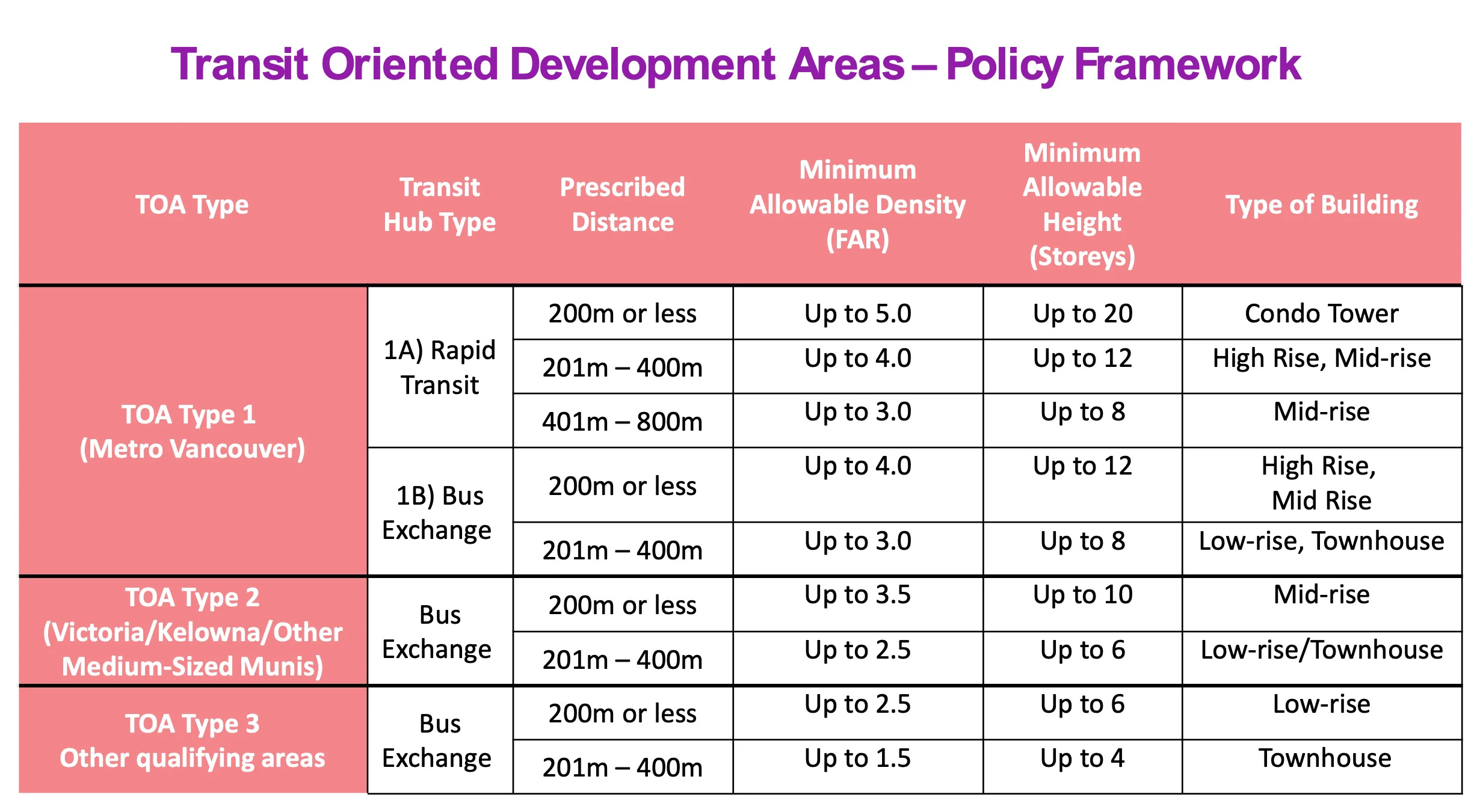
Trouvé sur Reddit par hasard. Quand les gens/gouvernements poussent du même bord.
https://www.reddit.com/r/Portmoody/comments/17r564m/bc_government_announced_new_transit_oriented/

10 « J'aime »
Super interessant. On devrait envoyer cela à nos élus de la ville de Montréal pour qu’ils proposent leur version Montréalaise.
Dans notre cas, il n’y aurait que le facteur de l’architecture de grand intérêt ou patrimoniale à considérer dans certains quartiers centraux. Mais en périphérie de ces quartiers, cela pourrait être appliqué assez facilement je crois.
4 « J'aime »
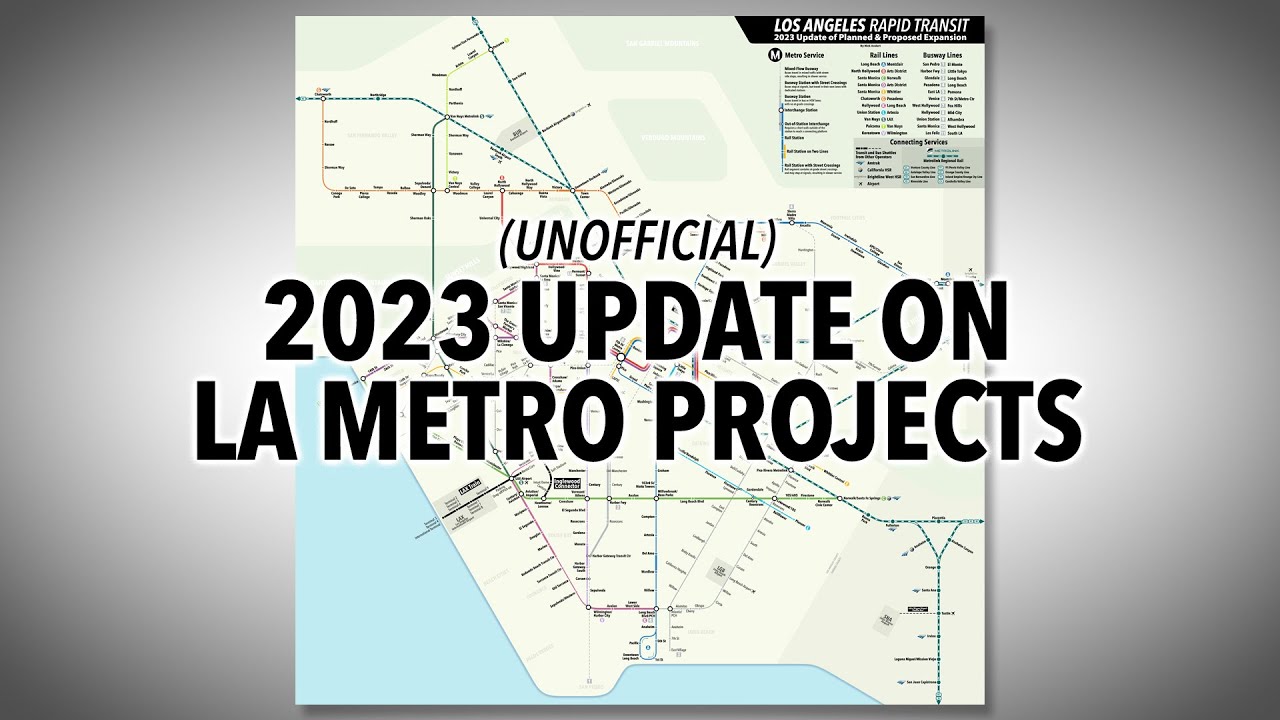
Nandert has been making videos about the LA transit system for a while and this is his latest update on the projects currently being built or planned. Unlike Montreal, the LA area actually has a plan and a list of projects to be funded. I’ve said it many times, this is something that we seriously need to implement. They also have long term funding plans to build several of theses lines.
I have to say that I particularly like his style of editing and the way that he exposes what he perceives as issues to be resolved.
3 « J'aime »
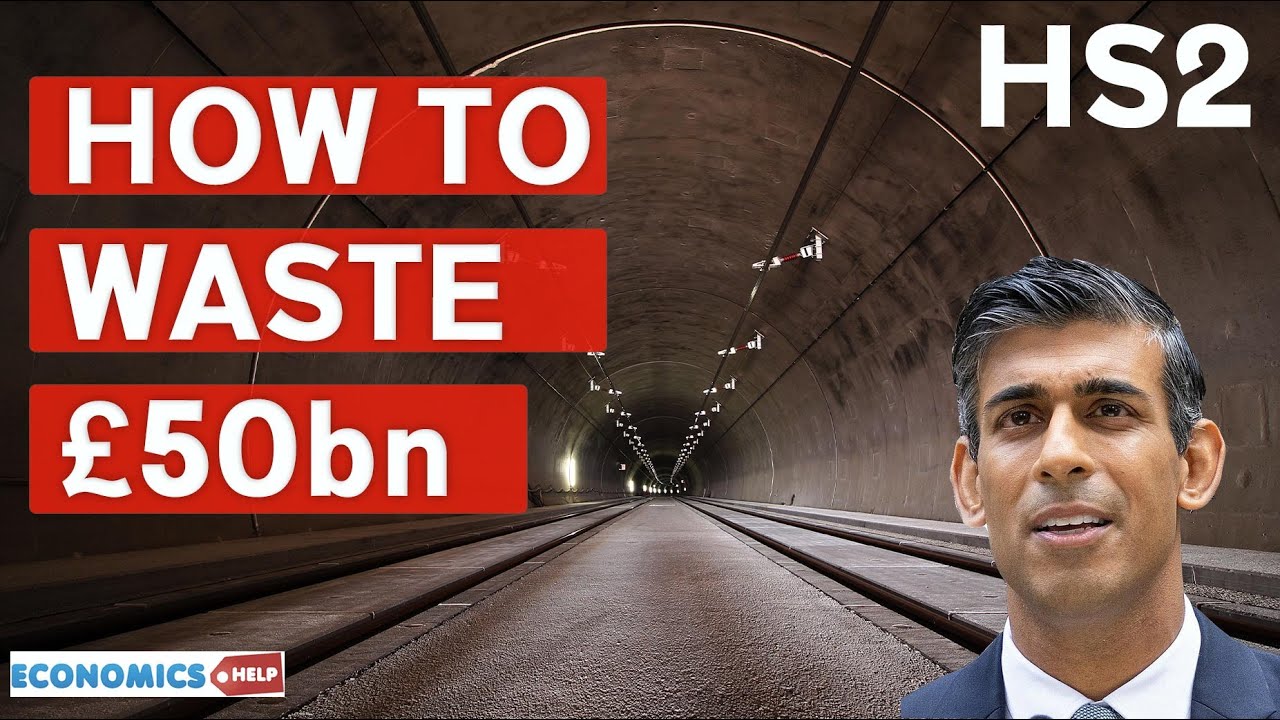
Why is HS2 so costly? This video argues that it is overengineered and does not sufficiently used standardised construction methods.
This is definitely something that we could learn from countries like Japan. Looking at bridges from the last few decades on Google maps, you only see 3 or 4 different styles of bridges no matter where you look in Japan. Everyone from the engineer, to the contractor, or the steel factory is geared toward producing and building the standardised bridges that area found just about everywhere in Japan.
2 « J'aime »
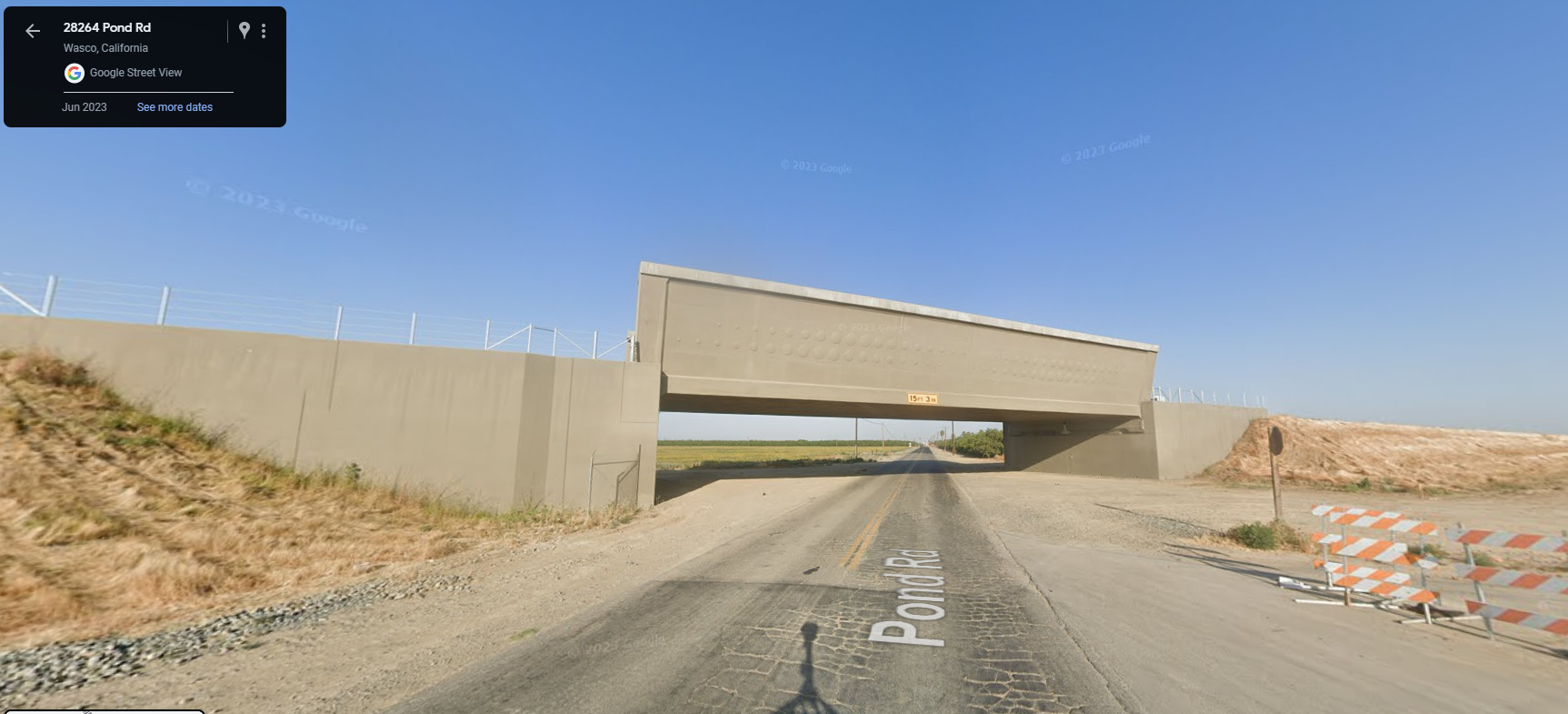
J’ai l’impression que CAHSR a aussi un problem de “overengineering”. Toutes les viaducs et ponts que j’ai vue sont énorme comparer des exemples similaire en France ou en Allemagne.
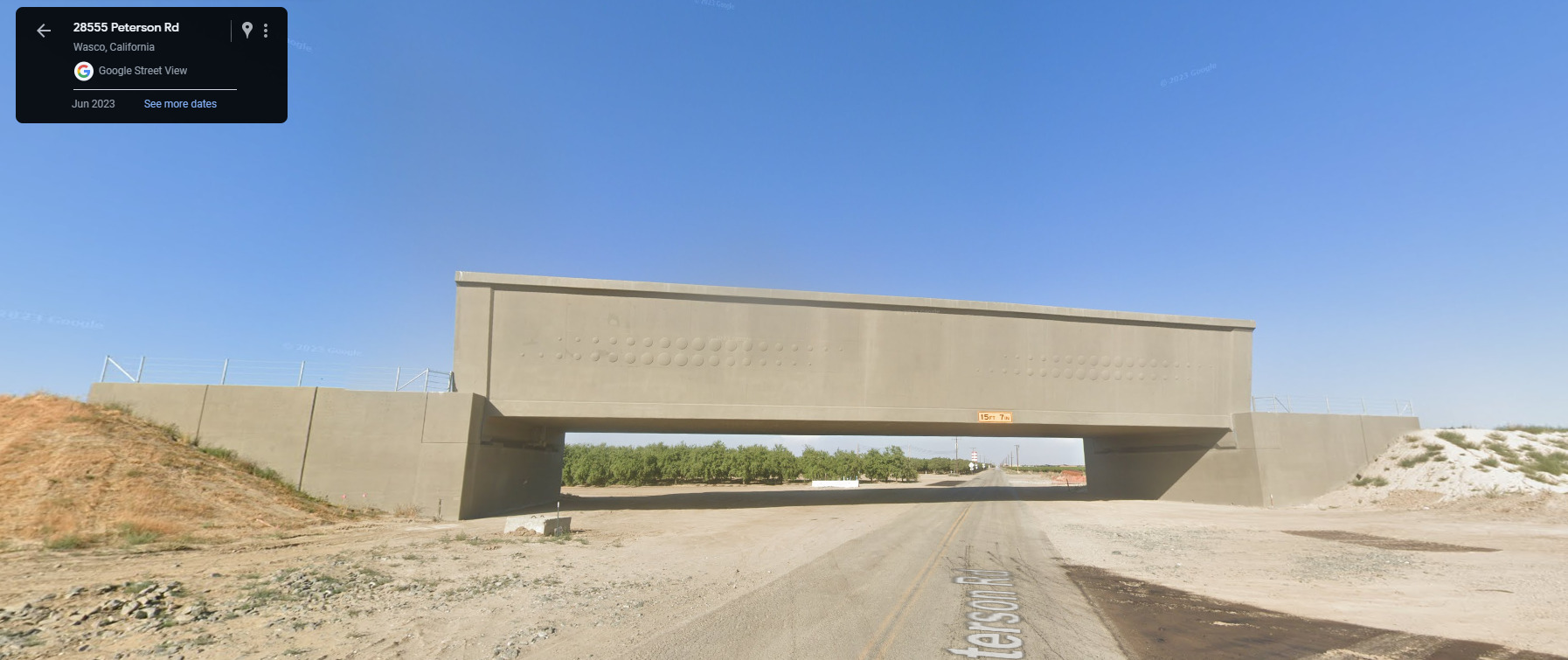
J’ai aucun idée a quoi ca sert ce mur de béton ridicule.
2 « J'aime »
C’est une région sismique, ce pourrait il que cela réponde à des normes plus strictes? On voudra éviter qu’un train lancé à 300 Km/h se pulvérise dans le décor parce que le pont s’est effondré.
cela ne semble pas être un problème au Japon, un pays qui a enregistré quelques tremblements de terre les plus forts de l’histoire 
It isn’t an impression. It most definitely is way overbuilt. They’ve got several massive pergola structures. Theses things are 500 meters long, 35 meters wide. I mean seriously, Japan also has to deal with earthquakes. Why does California need such a massive structure? It is absolutely ridiculous.
I’ve been looking at Japanese railways for a while and the only equivalents are railways that are located above a road and have several lines in parallel. They mostly use standard bridges. The REM bridge that we built over the tracks near the Peel Bassin is rather similar to what you typically find in Japan, with the big difference that Japan uses steel much more heavily than we do.
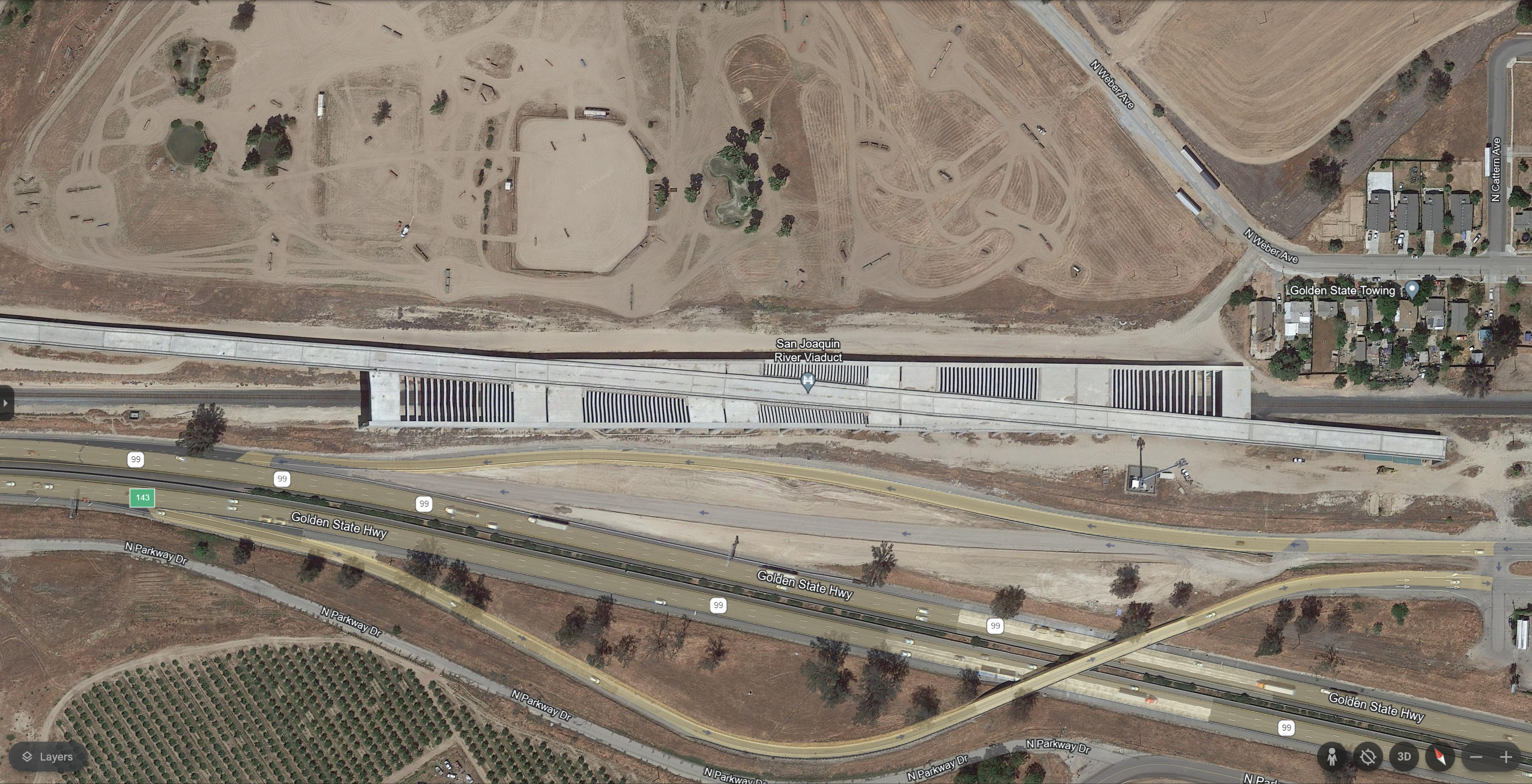
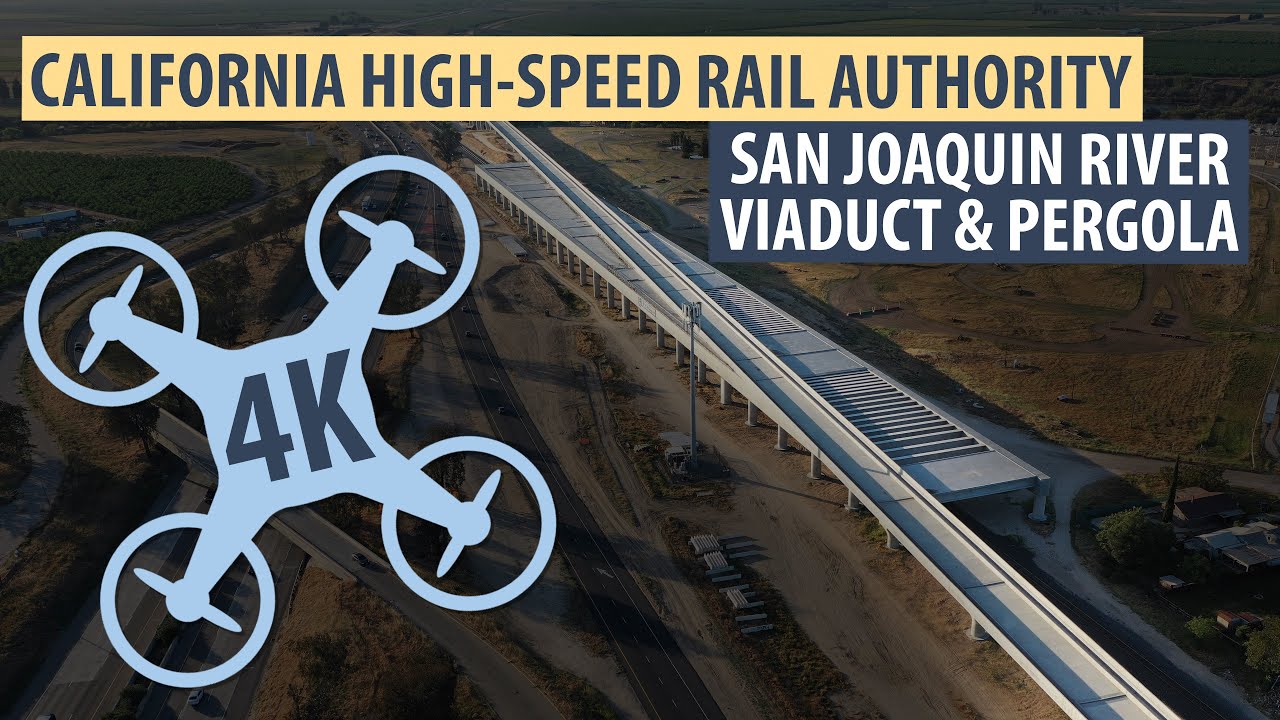
They also moved several kilometers of a major highway. In Japan, this is what they did to a highway viaduct that was sitting next to the railway.
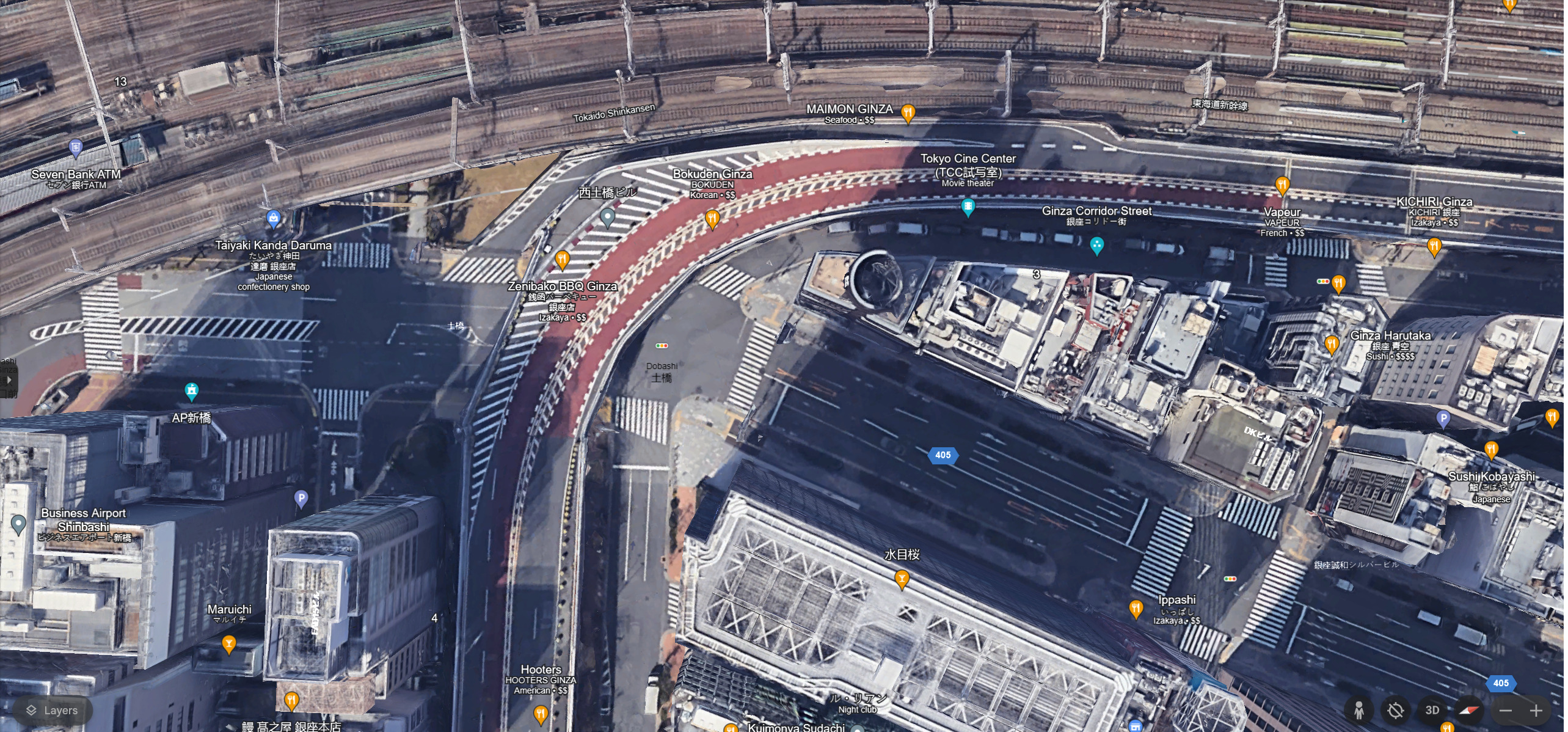
The highway suddenly goes from 4 to 2 lanes. They literally just chopped off the viaduct and absolutely couldn’t be bothered to compensate the loss of lanes. This is Tokyo, a place where 2, 3 and even 4 level highway bridges are common.
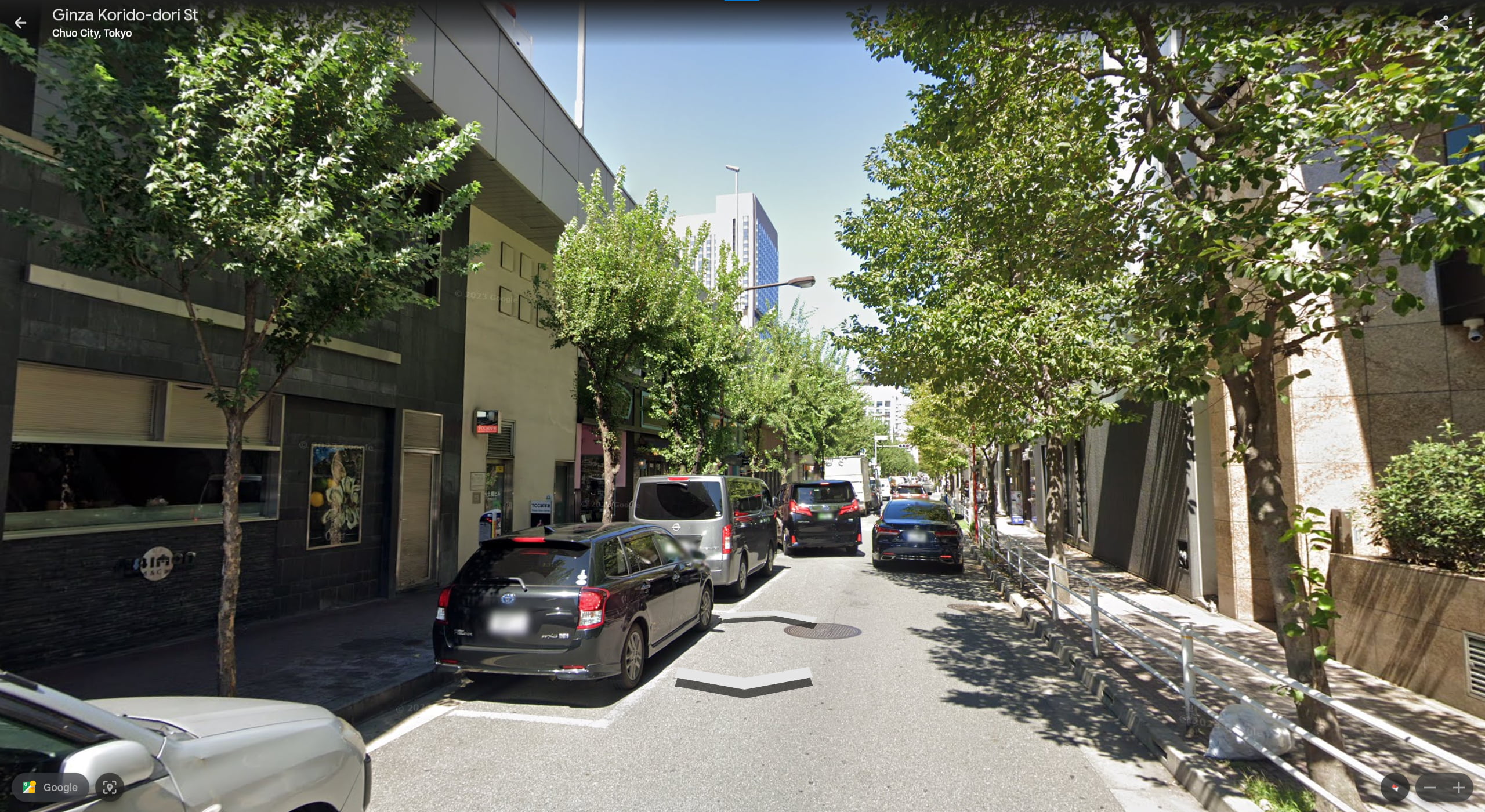
BTW, this is what that very same bridge looks like from street level. It literally disappears. Its really hard to tell that it is actually on top of the roof of those shops. Japan is really good at hiding infrastructure in plain sight.
5 « J'aime »
C’est pour éviter les plaintes de bruits des futurs résidents dans 152 ans.
4 « J'aime »