La Ville de Vancouver veut augmenter la hauteur max des bâtiments au centre-ville
Le bâtiment le plus haut actuellement est d’environ 200 mètres
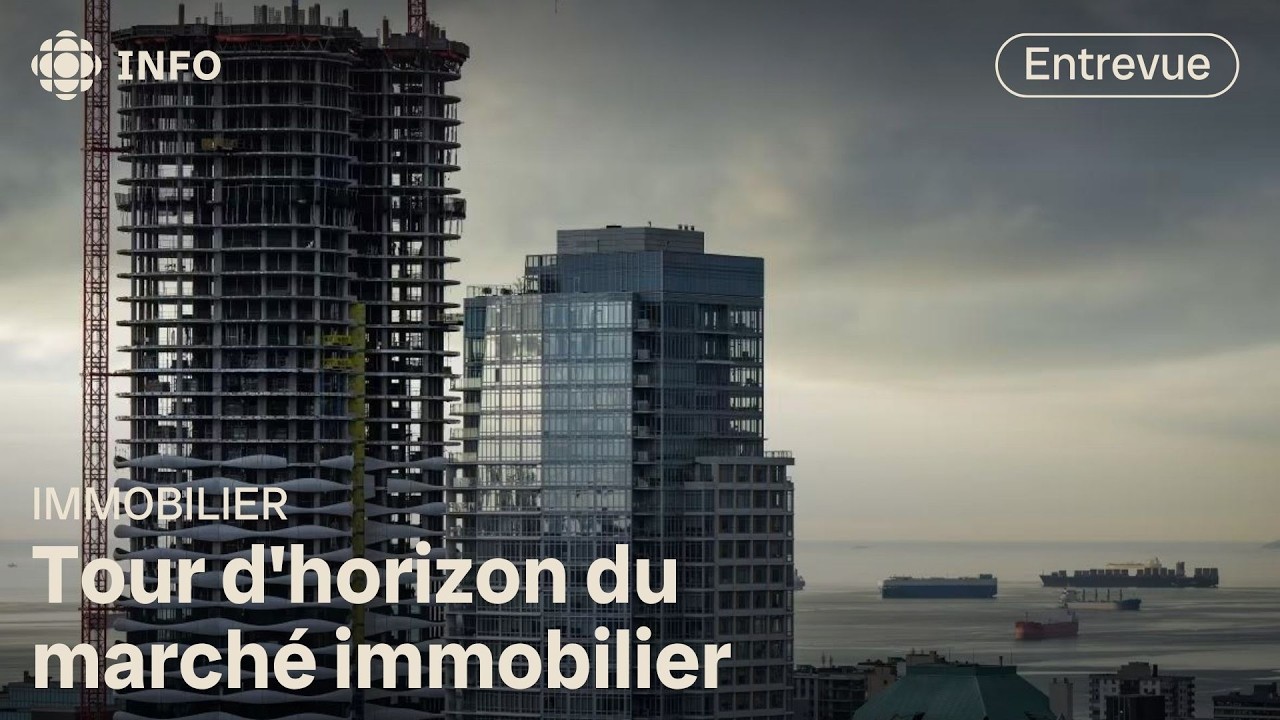
Should the City of Vancouver allow taller skyscrapers downtown? And if so, where?
Vancouver is considering revising its Higher Buildings Policy after more than a decade. As the CBC’s Janella Hamilton reports, the prospect of taller buildings is raising concerns about the loss of protected public views.
4 « J'aime »
Je ne savais pas que cette limite existait à Vancouver!
4 « J'aime »
Un 2e reportage sur Expo 86
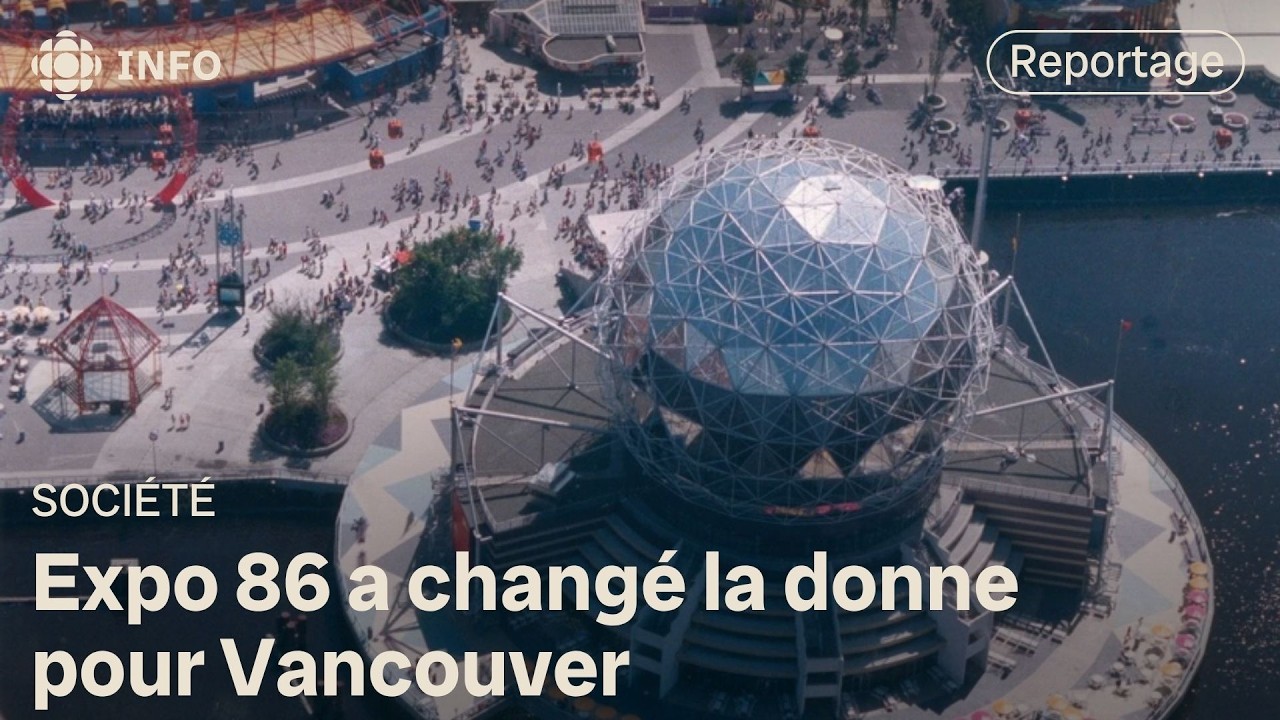
Expo 86 : un point tournant pour l’immobilier
Les plages, les espaces verts et la vue sur les montagnes font la renommée de Vancouver, mais la ville est aussi reconnue pour son coût de la vie et le prix des logements élevés.
Pourtant, tous s’entendent pour dire que le point tournant pour la Ville et son marché immobilier est l’Exposition universelle de 1986, qui célèbre ses 40 ans cette année.
Reportage de CBC sur la Plaza des Nations d’Expo 86
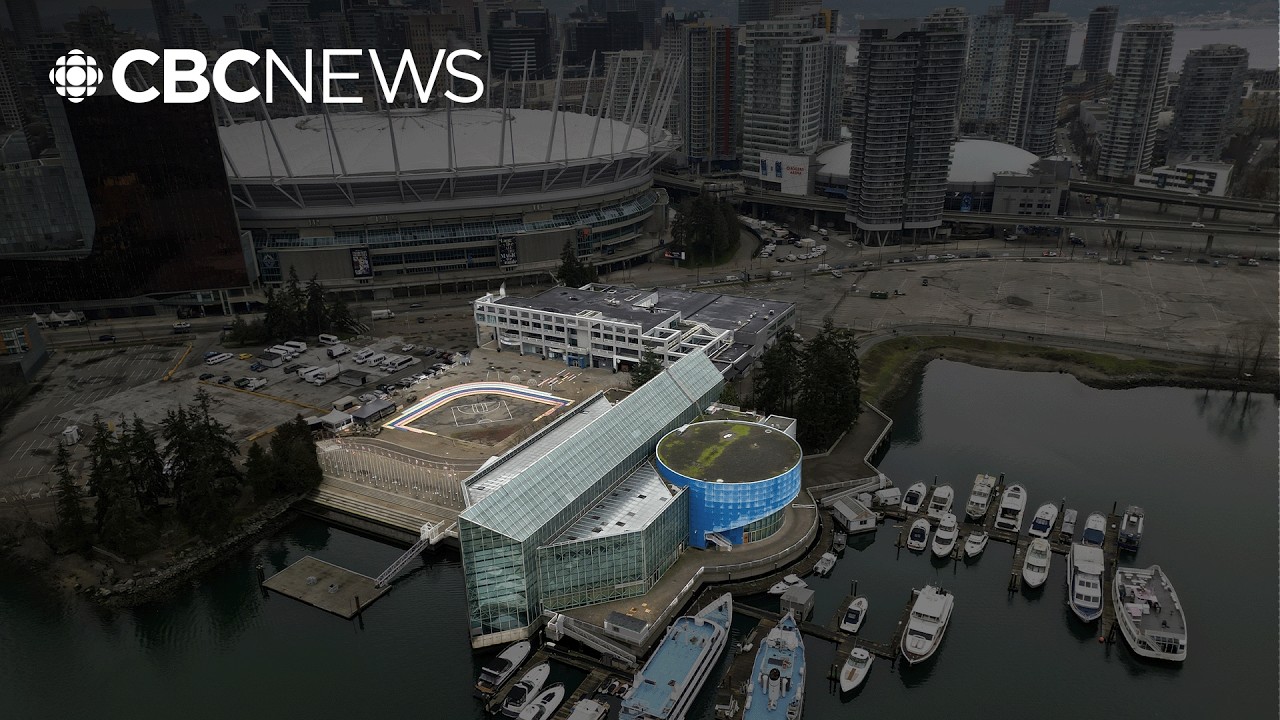
Why is this historic Expo 86 building mostly sitting empty?
It’s been 40 years since Expo 86 and one central landmark remains largely vacant. The Plaza of Nations was home to the B.C. Pavilion, a premier showcase during the fair. As the CBC’s Jon Hernandez reports the site remains but has been used less and less over the years.
CBC a deux entrevues sur le sujet
2 « J'aime »
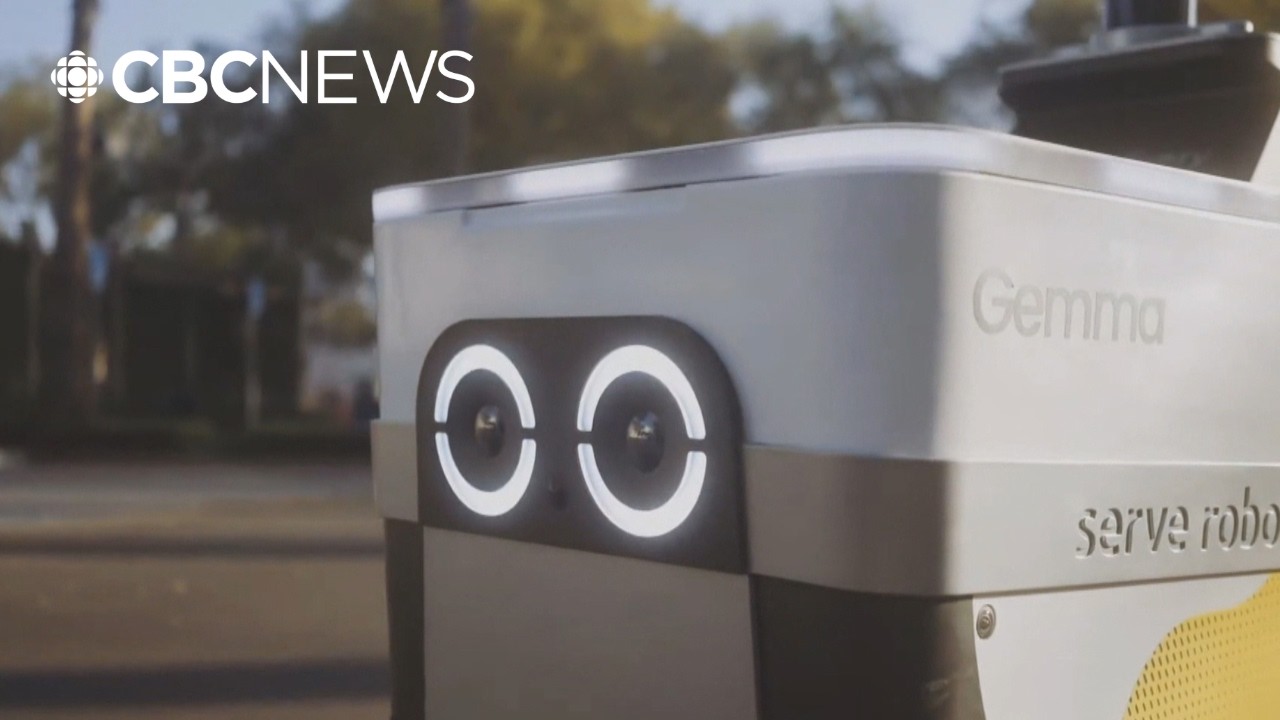
La Ville de Vancouver vient d’approuver un projet pilote de robots-livreurs qui vont rouler sur les trottoirs… 
Vancouver to test out food delivery robots
Food delivery robots could soon be coming to a sidewalk near you. Several cities in the U.S. have been using this technology for years. As Amelia John reports, while the City of Vancouver has approved a pilot project, the province still needs to give it the green light.
Texte d’opinion dans le New York Times sur le projet de la nation Squamish
On apprend que les NIMBY ont envoyé des lettres à la reine Elizabeth II pour se plaindre du projet!
Lien sans paywall
Imagine that 10 acres of land in the middle of your city was unbound from the laws that limit housing construction. No zoning. No neighborly lawsuits. No reviews by the Department of You Can’t Build That or its sister agency, the Department of Slow Down.
It sounds like a wand-waving, deus ex machina solution to the housing crisis that is gripping North American cities. But it is happening right now, and in one of the most unlikely places imaginable: Vancouver, British Columbia.
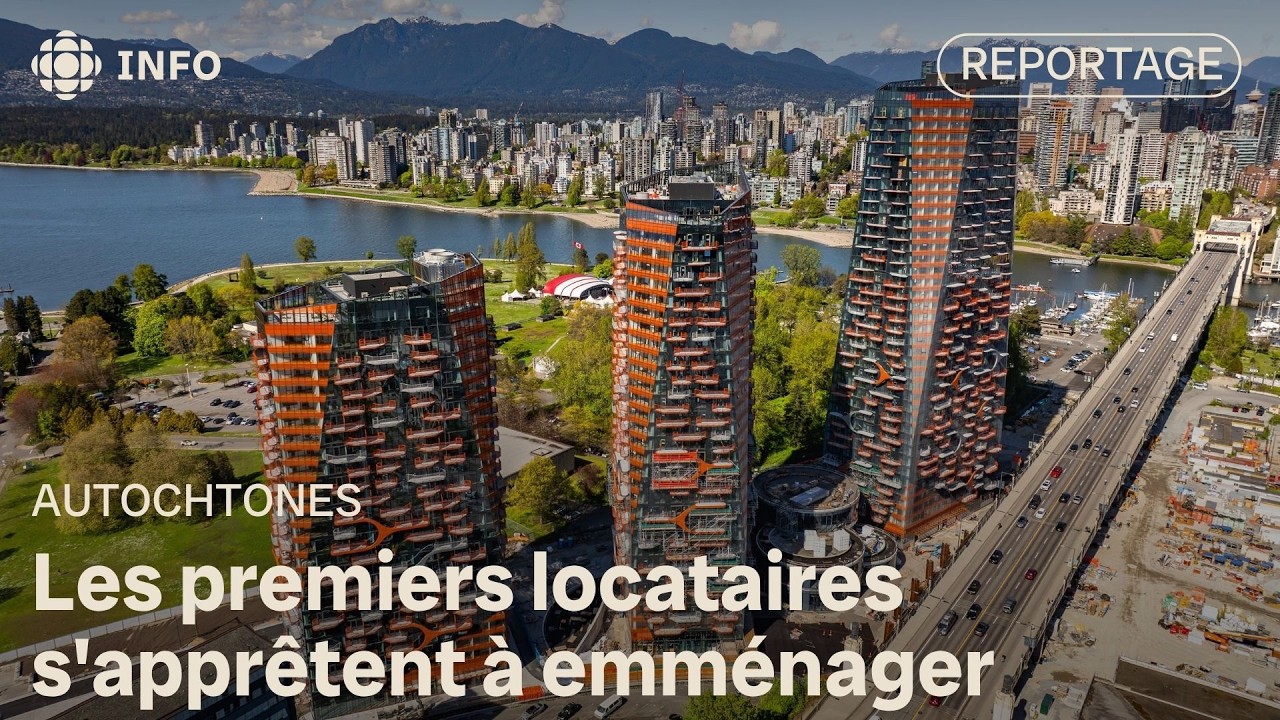
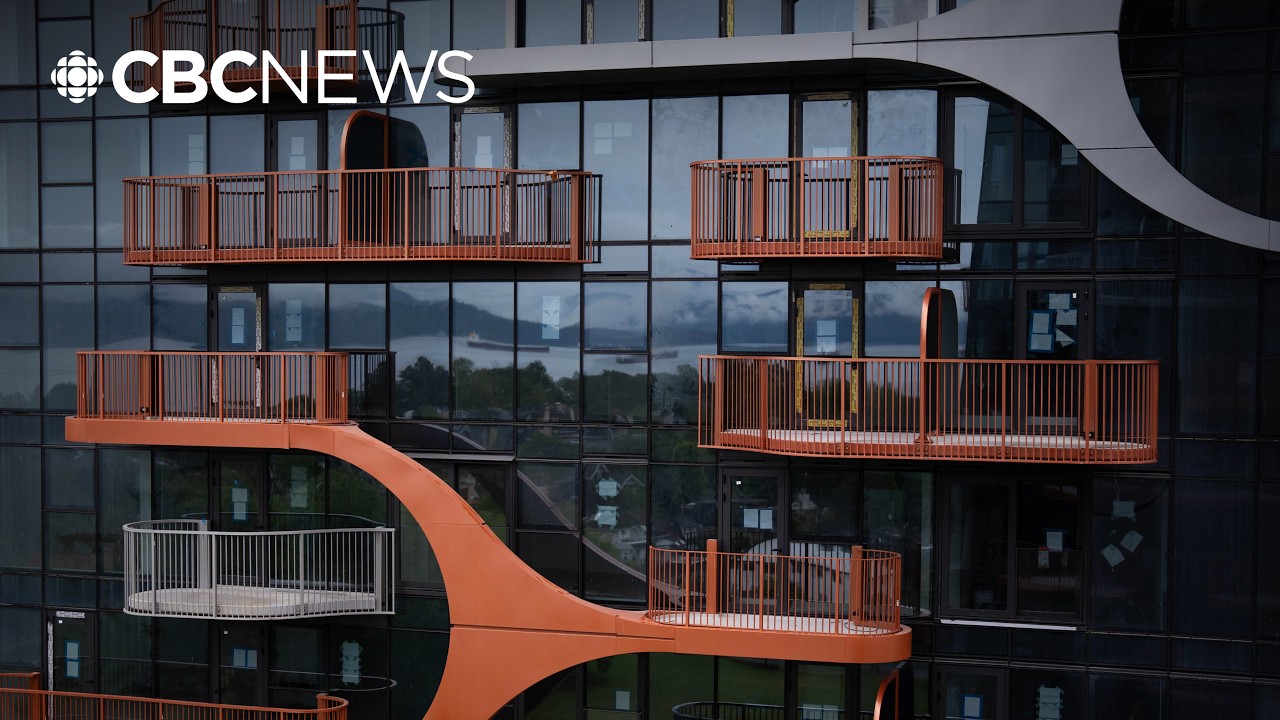
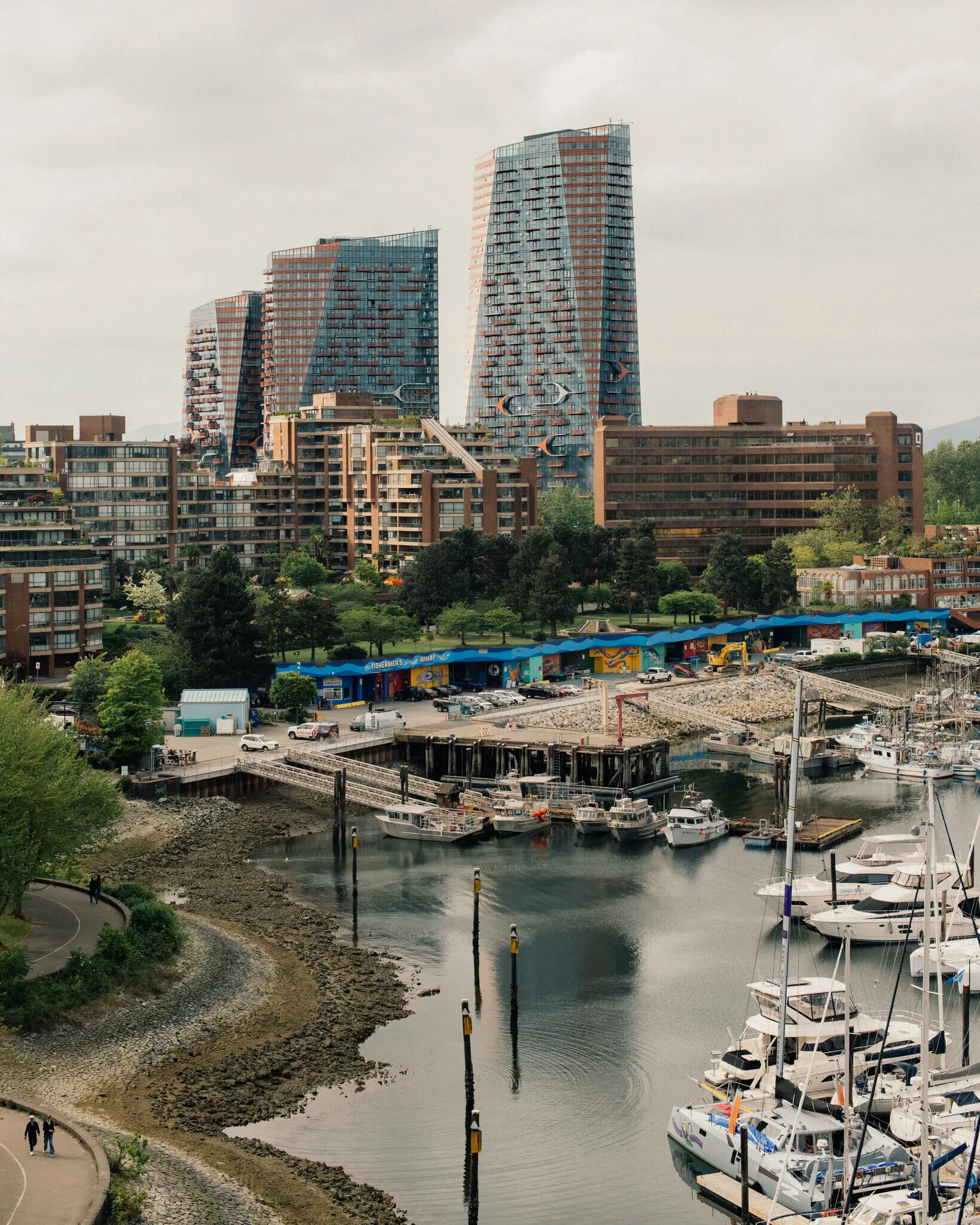
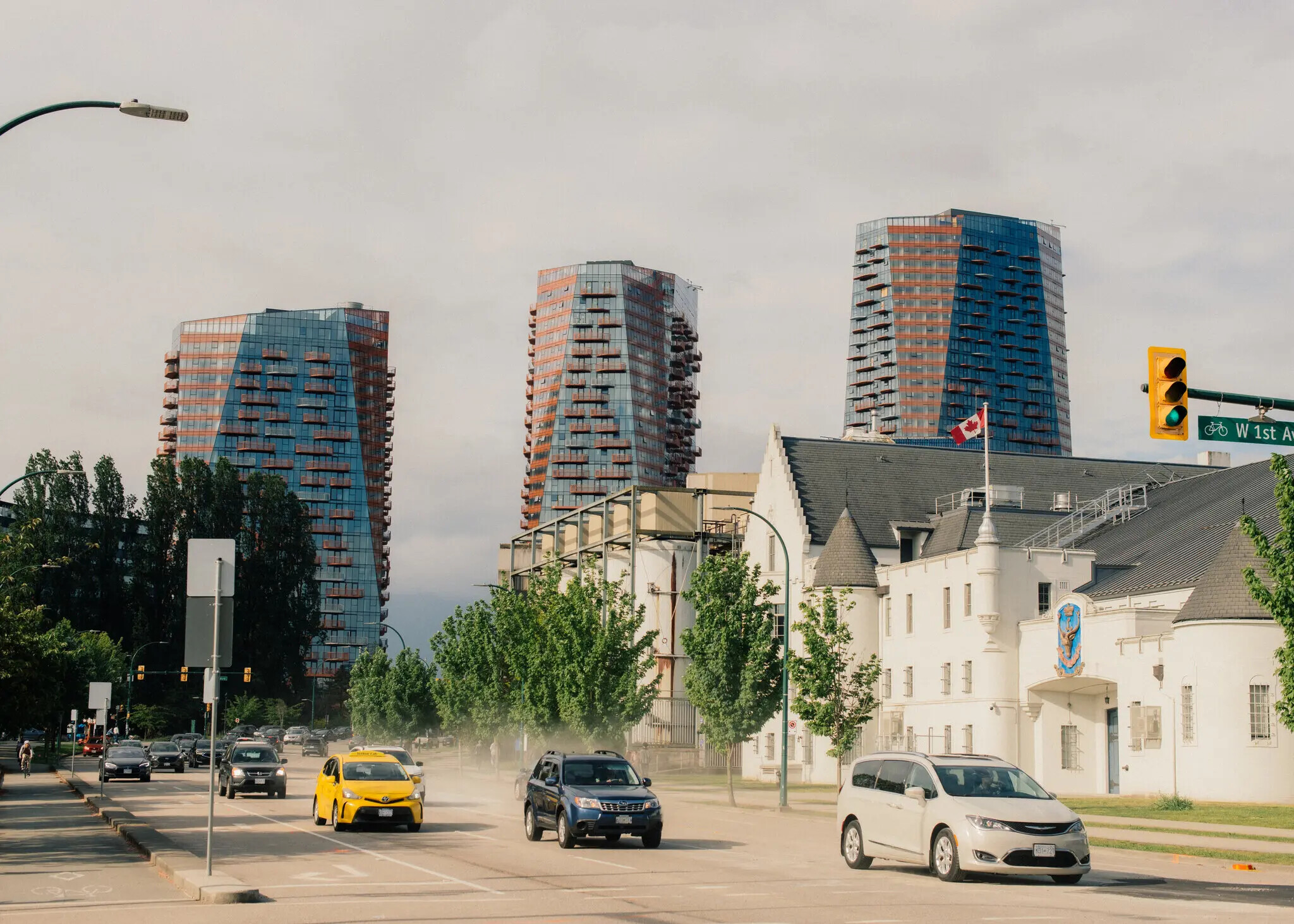
The Canadian government has returned 10 acres in the middle of Vancouver to the Squamish, the First Nation whose ancestors lived there. On that land, the Squamish are building the densest residential neighborhood in the country. It’s called Senakw, after a village that once stood in roughly the same place, and it will eventually include 6,000 homes in 11 towers. The first tenants moved in at the end of May.
Senakw, by itself, will make a modest dent in Vancouver’s housing crisis. The city estimates that it needs 83,000 new homes by 2033. Its importance, however, extends beyond the unit count. Senakw’s striking presence on the Vancouver skyline is a rebuke to the surrounding city, and a constant reminder that the thing preventing us from building is … us.
Cities have largely lost the power to say yes to construction. To prevent officials from acting against the public interest, we have drained them of the power to act in the public interest. Every decision can be appealed, every complaint must be heard, every objection weighed. We are so committed to fairness that we have lost sight of the unfairness of doing nothing.
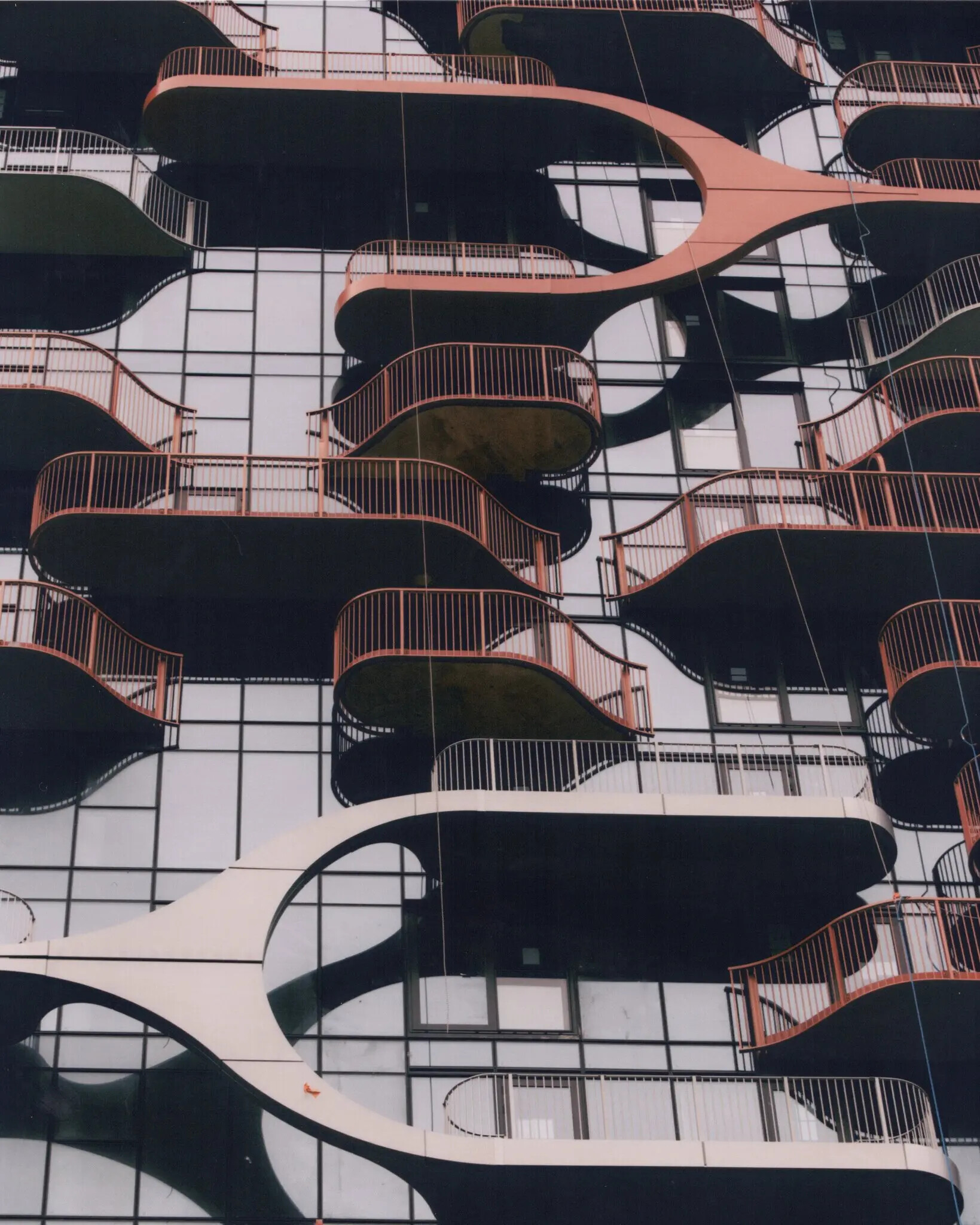
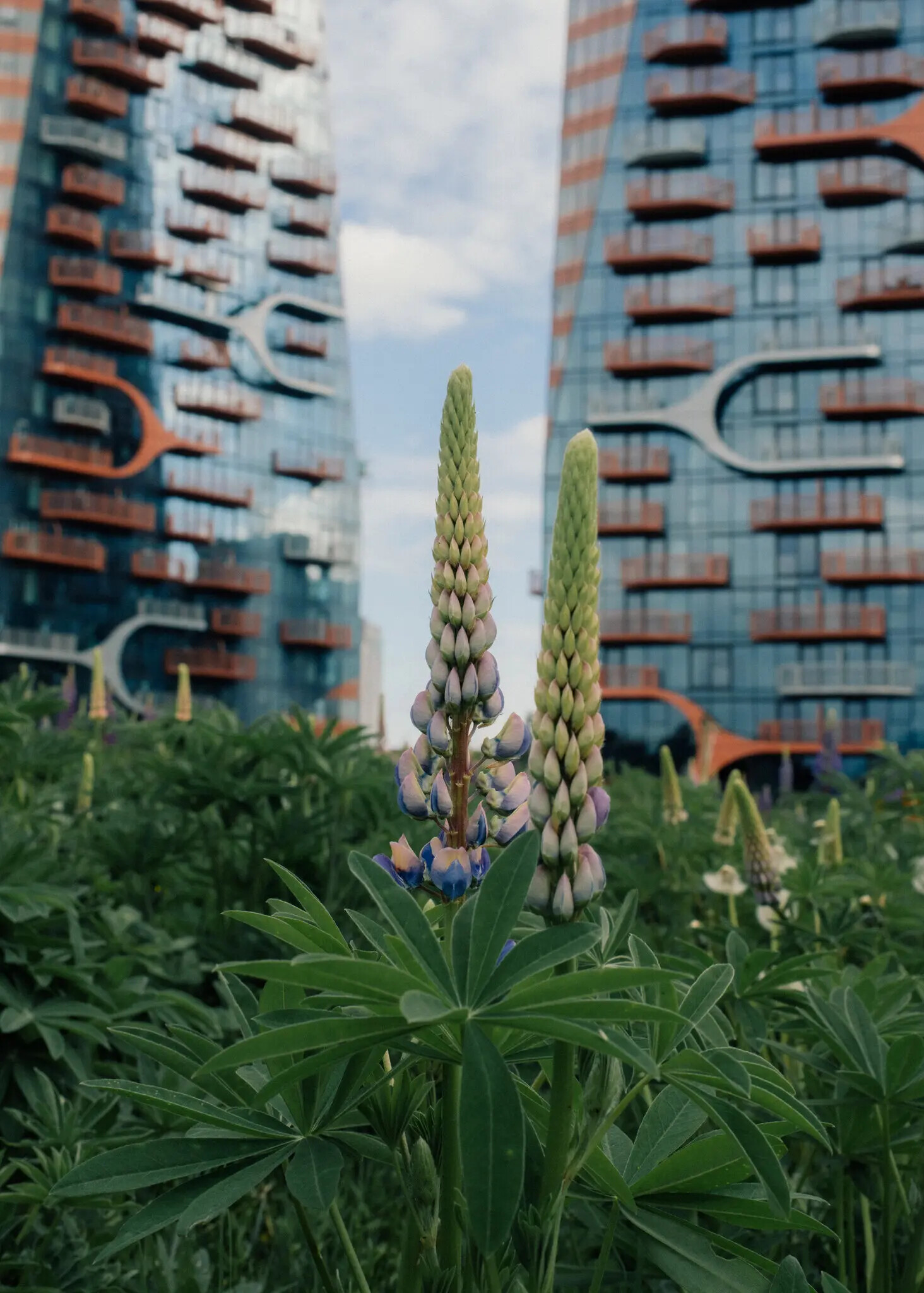
The result was a project with more than 6,000 housing units in towers as high as 58 stories — and only a few hundred parking spots. The first three towers have created a new skyline to the south of the city’s downtown, their profiles meant to evoke the mountains that rise to the north of the city. Some of the planned skyscrapers are designed to evoke long houses turned on end; others have decorative facades that evoke the salmon in the rivers. The project will also be carbon-neutral once completed, using a new system that will recover heat from the city’s sewer mains, which run beneath the buildings.
[…]
8 « J'aime »
Nouvelle microvidéo de Uytae Lee / About Here sur la vitalité du centre-ville de Vancouver
Downtown Vancouver’s story is becoming complicated
Pour le rapport, c’est ici : State of Downtown 2026 | Downtown Van
2 « J'aime »
Looks like just the tall one will be hotel - I wonder if it will operate under one banner or have different sections depending on the length of stay
It’s a lot of hotel space to add to a city that had only ~50% hotel occupancy during FIFA
1 « J'aime »
Au Téléjournal de Vancouver
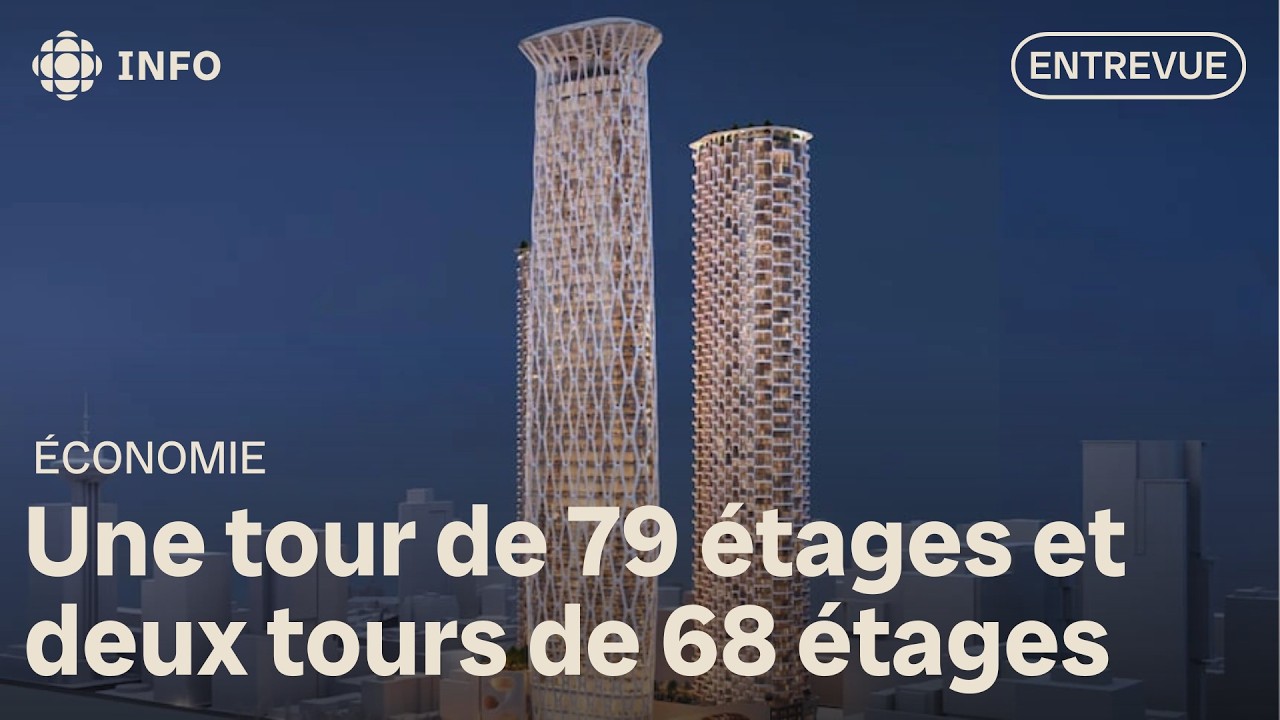
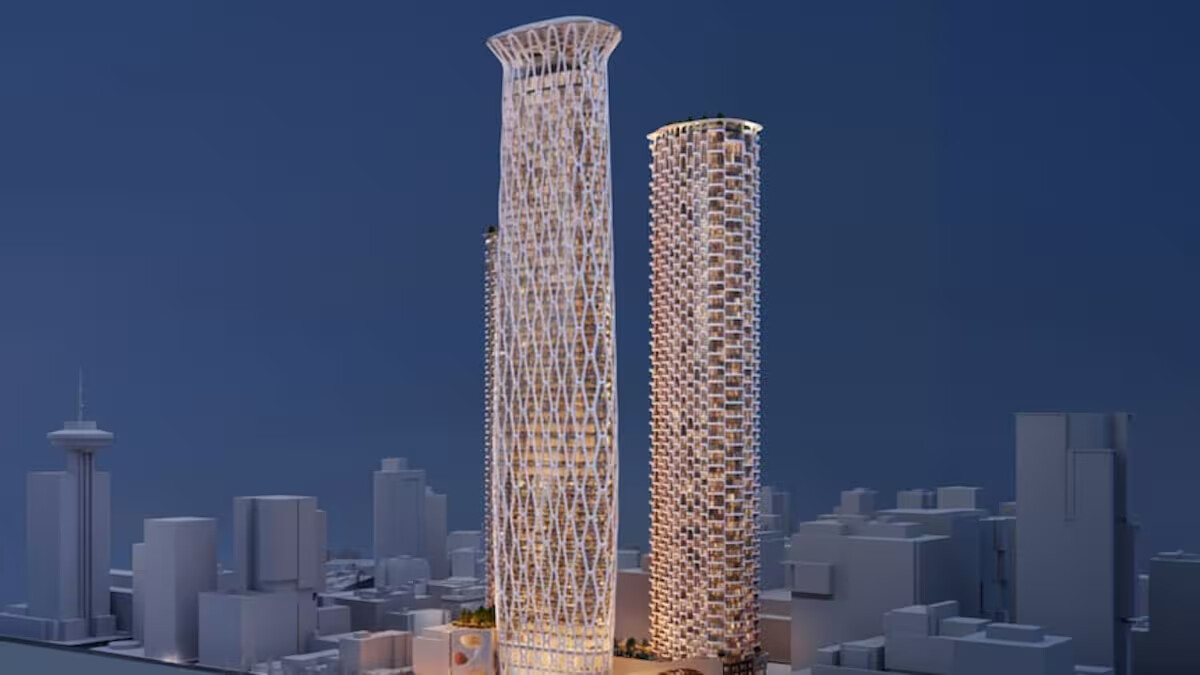
Vancouver autorise 3 tours géantes au centre-ville
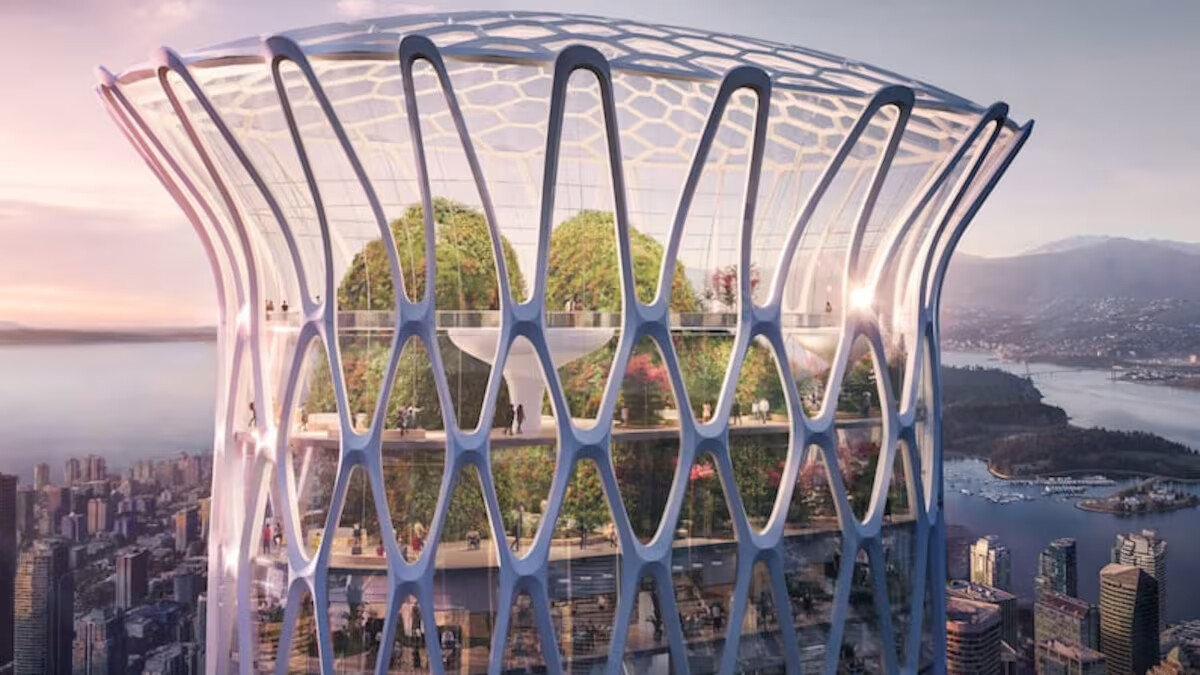
Le conseil municipal de Vancouver approuve un changement de zonage qui ouvre la voie à la construction de trois gratte-ciel au centre-ville. Le projet prévoit plus de 1500 logements, un hôtel et un belvédère public, mais la décision divise.
Julie Carpentier s’est entretenue avec Gaétan Royer, urbaniste et partenaire fondateur de CityState Consulting Group.
3 « J'aime »
There was an intense rate hike for the Fifa World Cup, that’s why occupancy fell. Normally Vancouver is almost 80% occupied this time of year, which is a bit more than both Toronto and Montreal which sit around 75%.
So yes, the market can use another hotel.
2 « J'aime »
Now that Canada’s two largest cities have supertall skyscrapers under construction, it’s time for Montreal to build a landmark tower worthy of its skyline.
1 « J'aime »
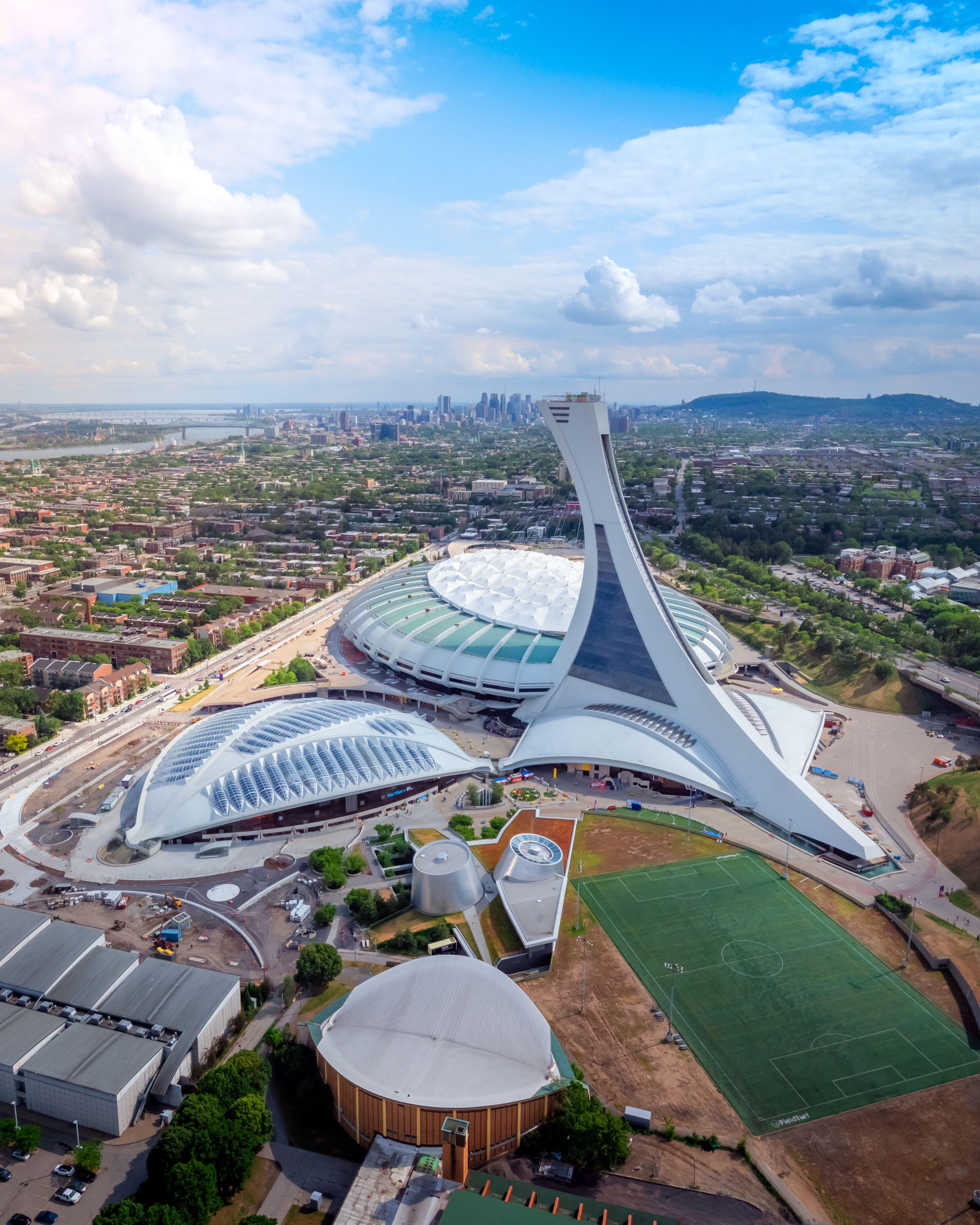
We already did, although a bit away from the skyline.
4 « J'aime »
it’s very beautiful but i feel our city lacks just a skyscraper in our skyline that would put us among the top north american cities since i believe with the right tools montreal can be after new york the most visited city in north america
1 « J'aime »
It’s not going to happen. No Tower can be higher than Mont Royal. And tall towers don’t make a city worth visiting per se. so much more to a city than towers.
6 « J'aime »