Des promoteurs se tournent vers le marché locatif
Quel est l’état de la construction résidentielle à Vancouver, alors que la Ville se trouve en première ligne de la crise du logement?
Un nouveau rapport de la Société canadienne d’hypothèques et de logement (SCHL) observe une baisse du nombre de nouvelles constructions d’appartements à Vancouver.
Julie Carpentier s’est entretenue avec Tania Bourassa-Ochoa, économiste en chef adjointe à la SCHL.
25-storey tower proposed to replace West End Vancouver single-family home
A 25-storey social-housing building is being proposed on a former single-family home lot in the West End. The project was approved by council to proceed to a public hearing. As CBC’s Michelle Gomez reports, residents and an architect say the building just doesn’t make sense.
An update on the new art gallery
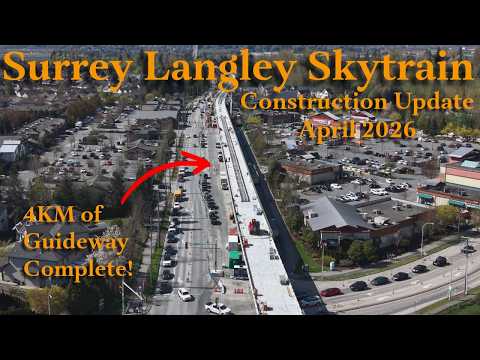
Aperçu sur Reddit. Une poutre de lancement utilisée pour la construction du prolongement du SkyTrain… ![]()
Dans ce texte de la Presse au sujet des ennuis de Brivia
Immobilier | Sale temps pour Groupe Brivia
Deloitte avait été nommée séquestre du projet CURV, seulement au stade de la prévente, à la suite d’une décision de la Cour suprême de la Colombie-Britannique. Ici, c’est un syndicat bancaire mené par la Banque Royale du Canada qui était à l’origine de la démarche judiciaire.
Le montant en souffrance s’élevait à 91 millions. La Royale avait exigé le paiement du prêt, ce qui avait mis la table pour la défaillance. Brivia agissait à titre de promoteur principal dans ce dossier.
For a long time, Vancouver’s “bike network” relied heavily on streets that had no cycling infrastructure besides sharrows and signs. These streets saw heavy usership despite the lack of infrastructure, because the quiet, residential nature of the streets and the volume of users led to a feeling of safety.
One of the most famous of these streets is 10th Avenue, often called the “10th Avenue Bikeway” despite its lack of infrastructure. Every day during rushhour, groups of dozens of cyclists would form on this corridor, braving uncontrolled crossings at major corridors.
Recently, I have been exploring the area to see what has changed since I moved away. Some of the changes are shocking — in a good way.
10th Avenue now has protected bike lanes. Crossings that were once only a stop sign (and thus very dangerous to attempt by bike) now have lights. Modal filters have been installed. Not everywhere, but in several of the more problematic areas. For a city that was once loathe to install physical infrastructure, this is a huge gain, especially when the current municipal government is somewhat conservative.
2018
2020
In Richmond, it’s breathtaking to see the amount of buildings that have gone up since I moved out of the city. Areas that were nearly 100% greenfield and brownfield are now completely built-up. Dozens of terrible, dilapidated strip malls with huge parking lots are now gone, replaced with beautiful mixed-use buildings that elevate the street experience with large pedestrian spaces and vegetation.
Number 3 Road / Sea Island Way, 2015
Number 3 Road / Sea Island Way, 2024
(I can’t believe that the Yuanheng lot still hasn’t started construction!)
(This is the area where the infill station was added on the Canada Line)
Richmond-Brighouse station, 2017
Richmond-Brighouse station, 2024
Richmond Centre Mall, 2020 (!!)
Richmond Centre Mall, 2024
I really wish there was an AgoraYVR, because it seems like so much excellent urbanism is happening in the area, and the only way to discover it is if you know where to look on StreetView.
Version archivée : https://archive.ph/s7Yxv
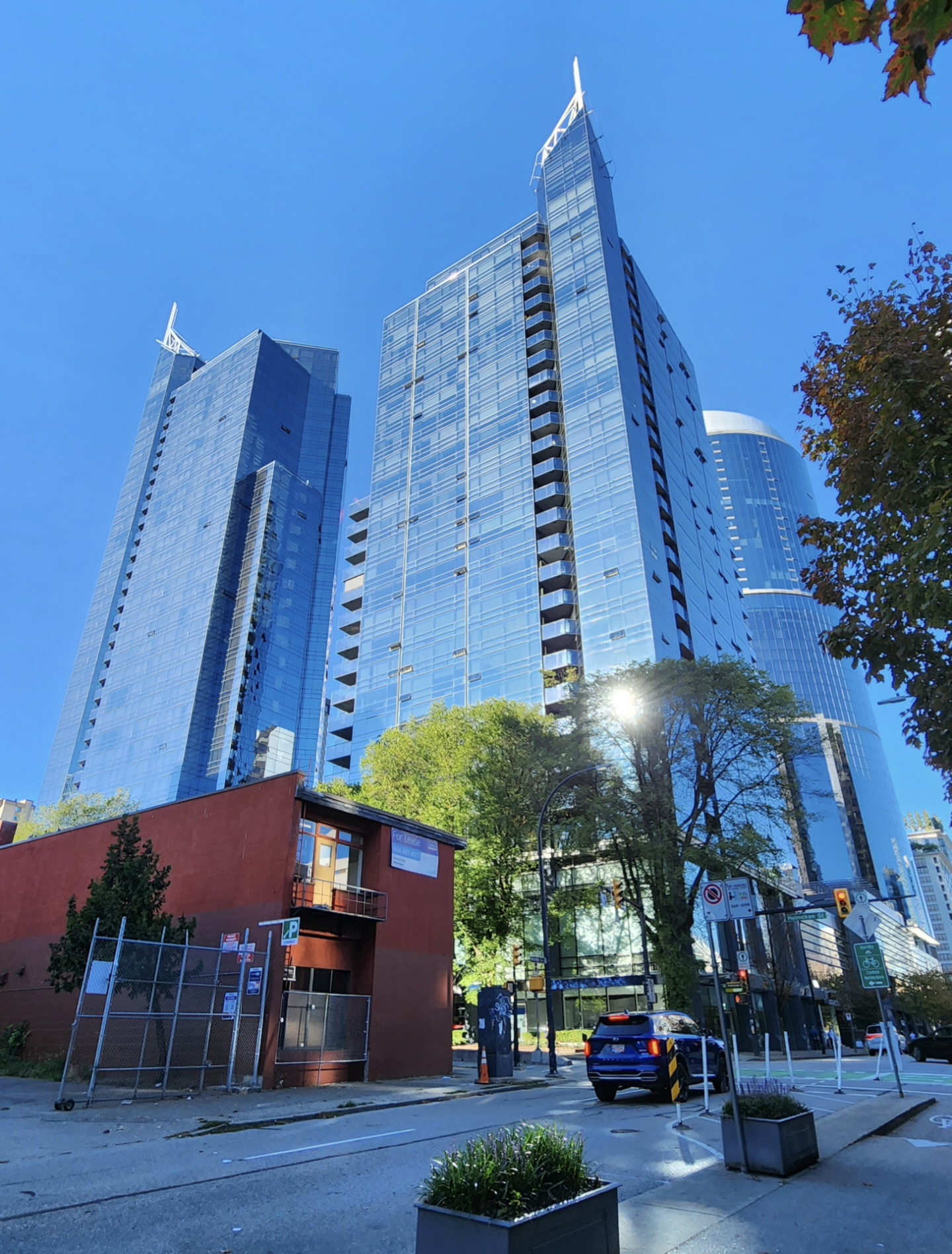
The three tower rise like muscular sentries from the south end of the Burrard Street Bridge, which connects downtown Vancouver to Kitsilano. They stand out sharply because of their imposing size—26, 31 and 39 storeys—and because of their unique appearance. The glass skins are tinted cobalt blue and coppery orange, and marked with bold flourishes, including wishbone-shaped projections that link the rounded balconies.
“Those are trigons—they’re a symbol used in Squamish Nation art,” says Jacob Lewis III, shouting to be heard over screaming saws and thudding hammers.
These towers, with sweeping views of English Bay, Stanley Park and the North Shore Mountains, represent Phase I of an estimated $3-billion mixed-use development that will establish the Squamish Nation as a major player in shaping the Vancouver skyline. And Lewis has a unique role on the project: He chairs a panel whose mandate is to ensure Squamish Nation identity remains at the heart of the development. In line with that directive, a dozen Squamish artists have been retained so far to enhance parts of it using traditional Coast Salish art forms.
[…]
New Westminster neighbours push back against transitional housing project
New transitional housing is coming to a neighbourhood in New Westminster, prompting concern from some people who live nearby. As the CBC’s Kier Junos reports, they do get to share their concerns with B.C. Housing Thursday evening, but the project is already underway
Mon dieu. L’emplacement est divisé des autres residences par une route presque autoroutière qui ne peut pas être traversée à pied (Stewardson Way, visible dans l’onglet du vidéo), mais bien sûr les propriétaires de la douzaine des maisons front de rive ont assez d’argent pour entraver le projet. ![]()
Ajout: Un·e résident·e dit que c’est une rue « dead end » mais j’ai pris River Drive plusieurs fois et elle se connect à Trapp Avenue et Stewardson Way. Aucun fact-checking de CBC?
Quelques observations sur Vancouver…
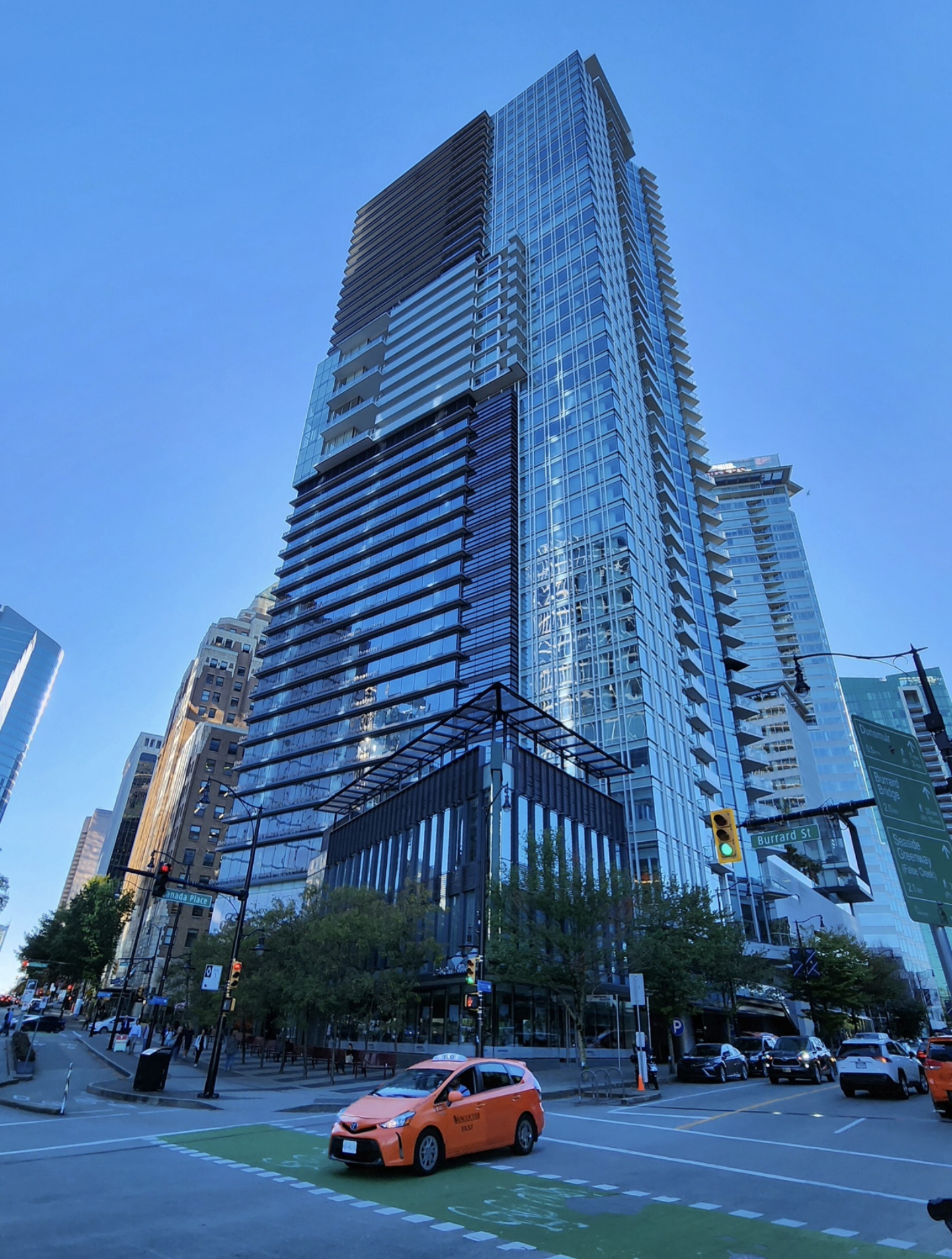
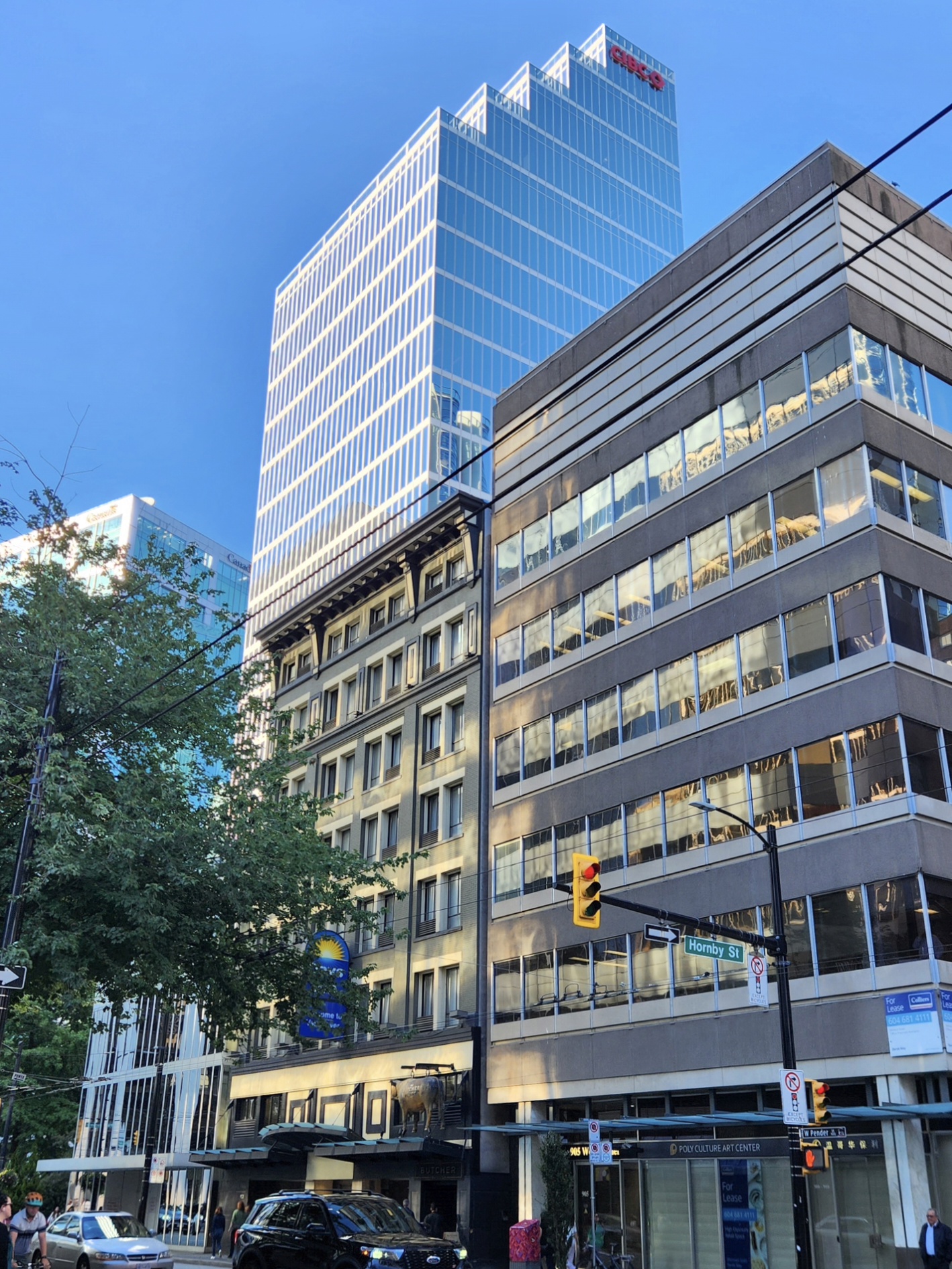
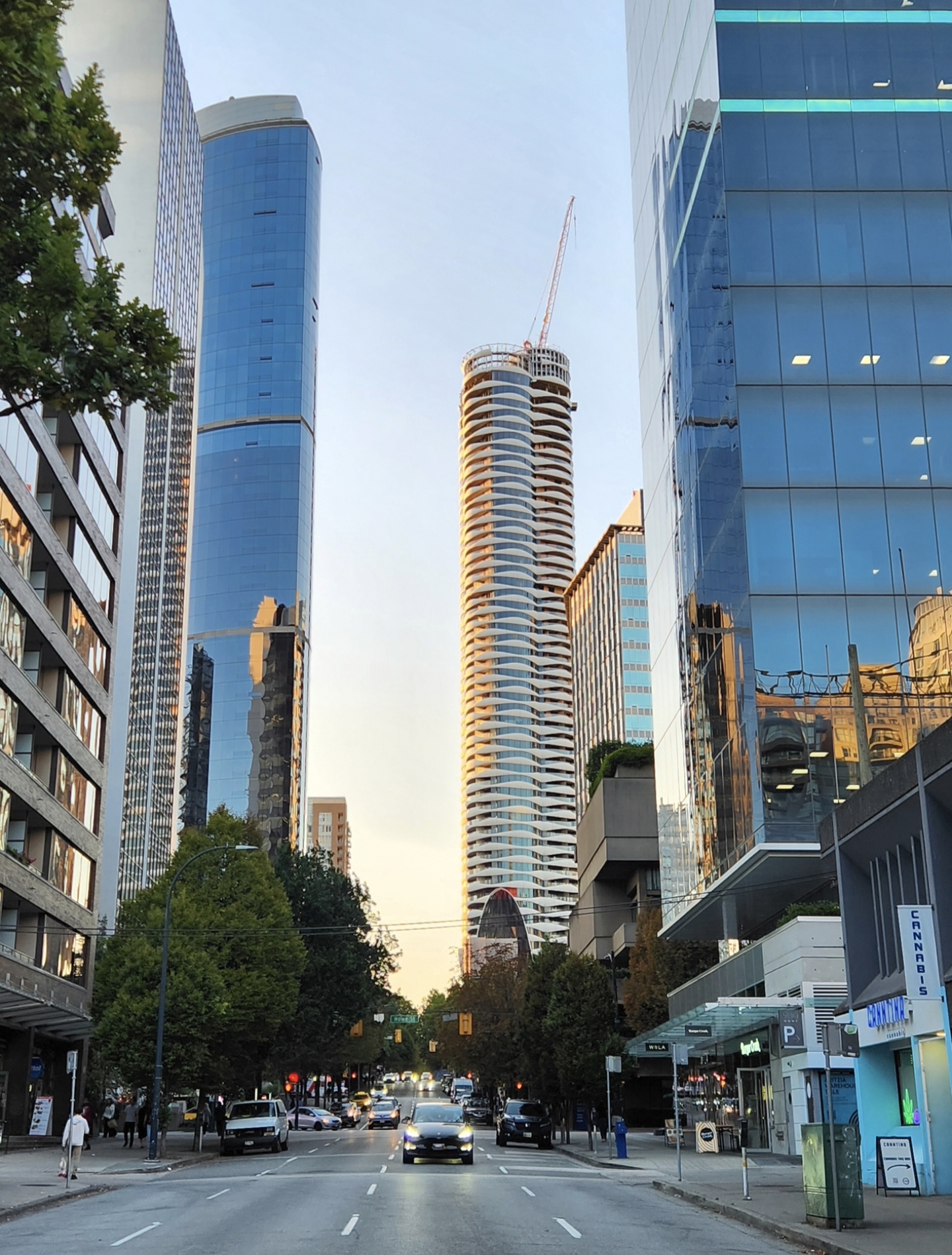
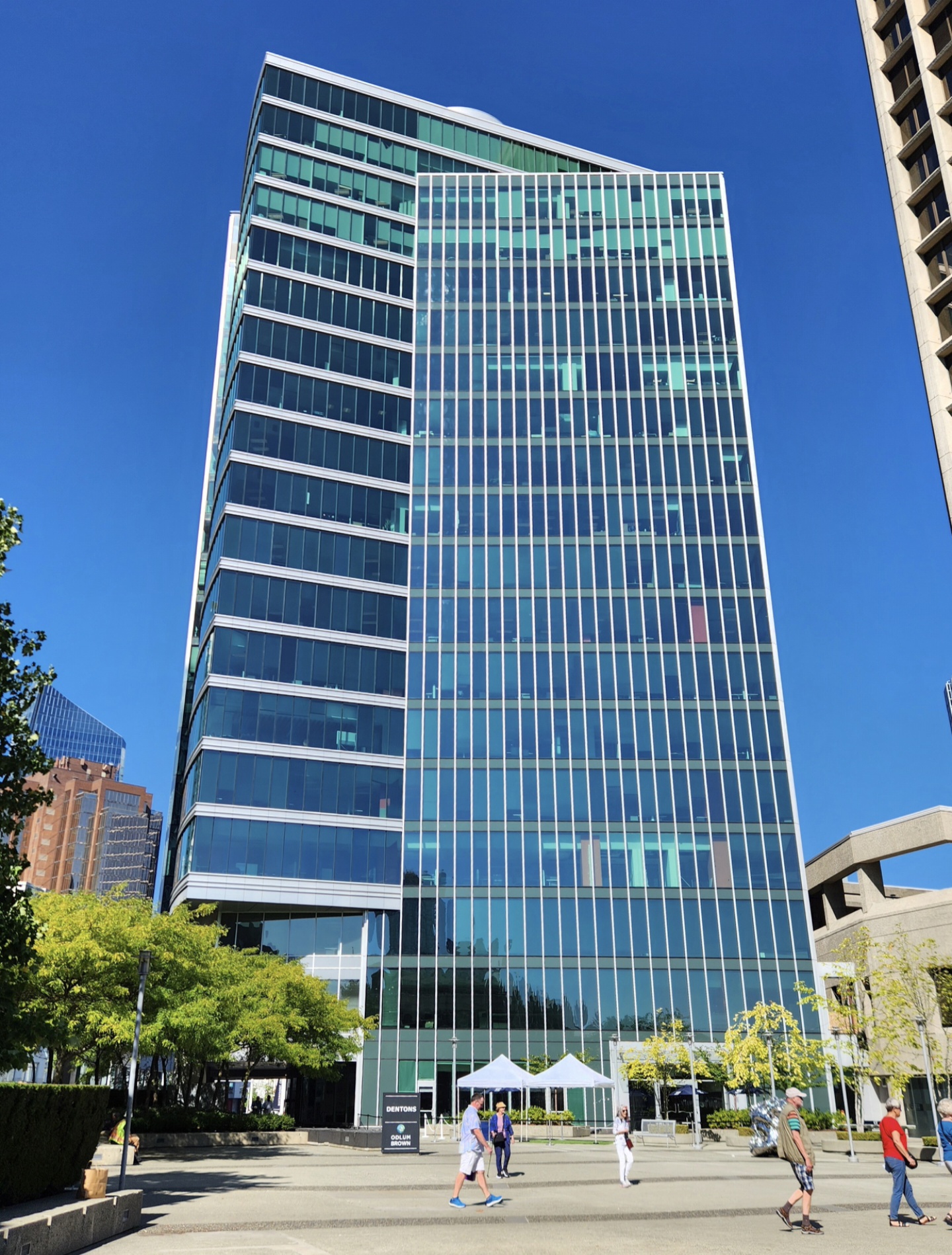
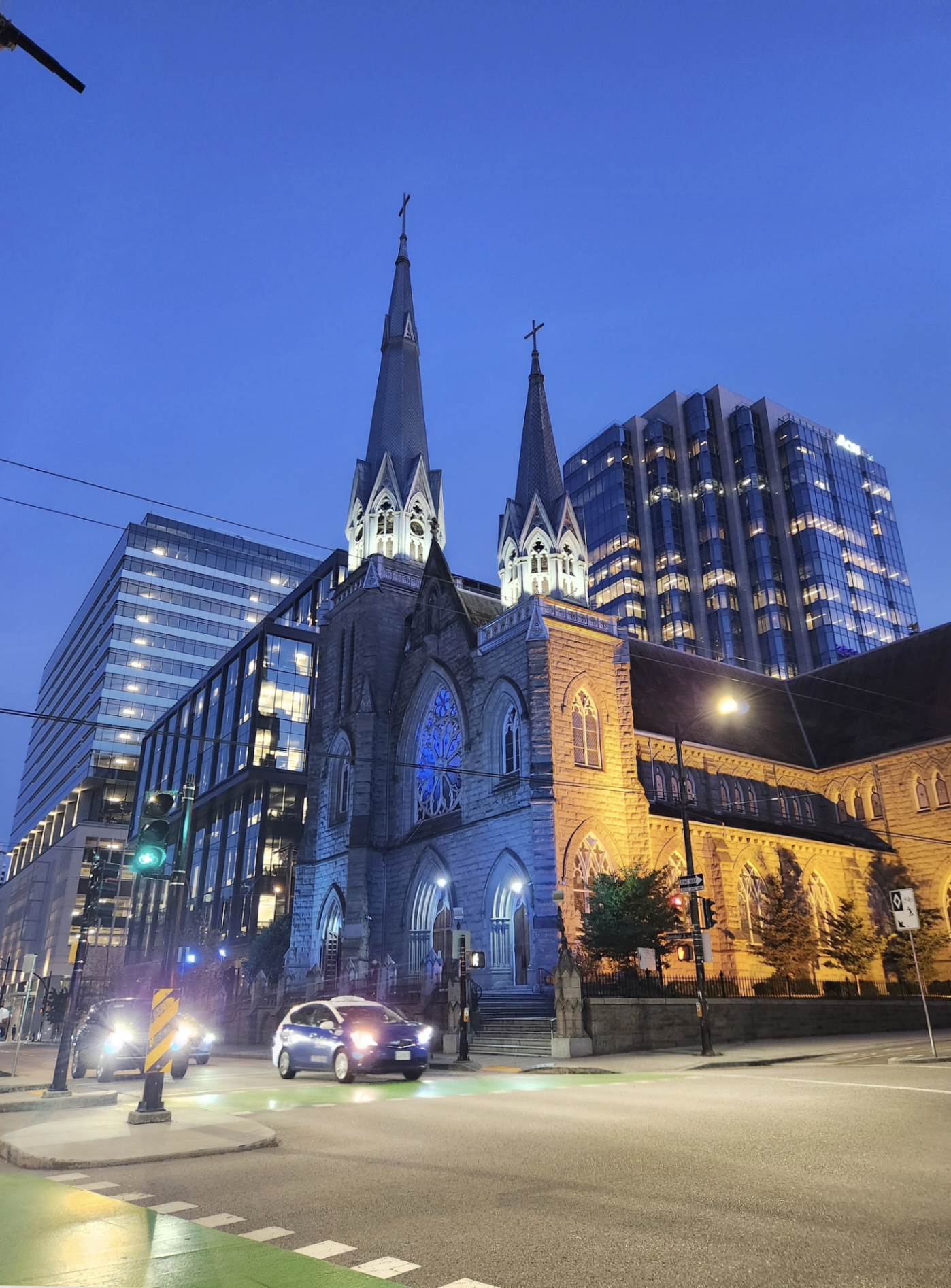
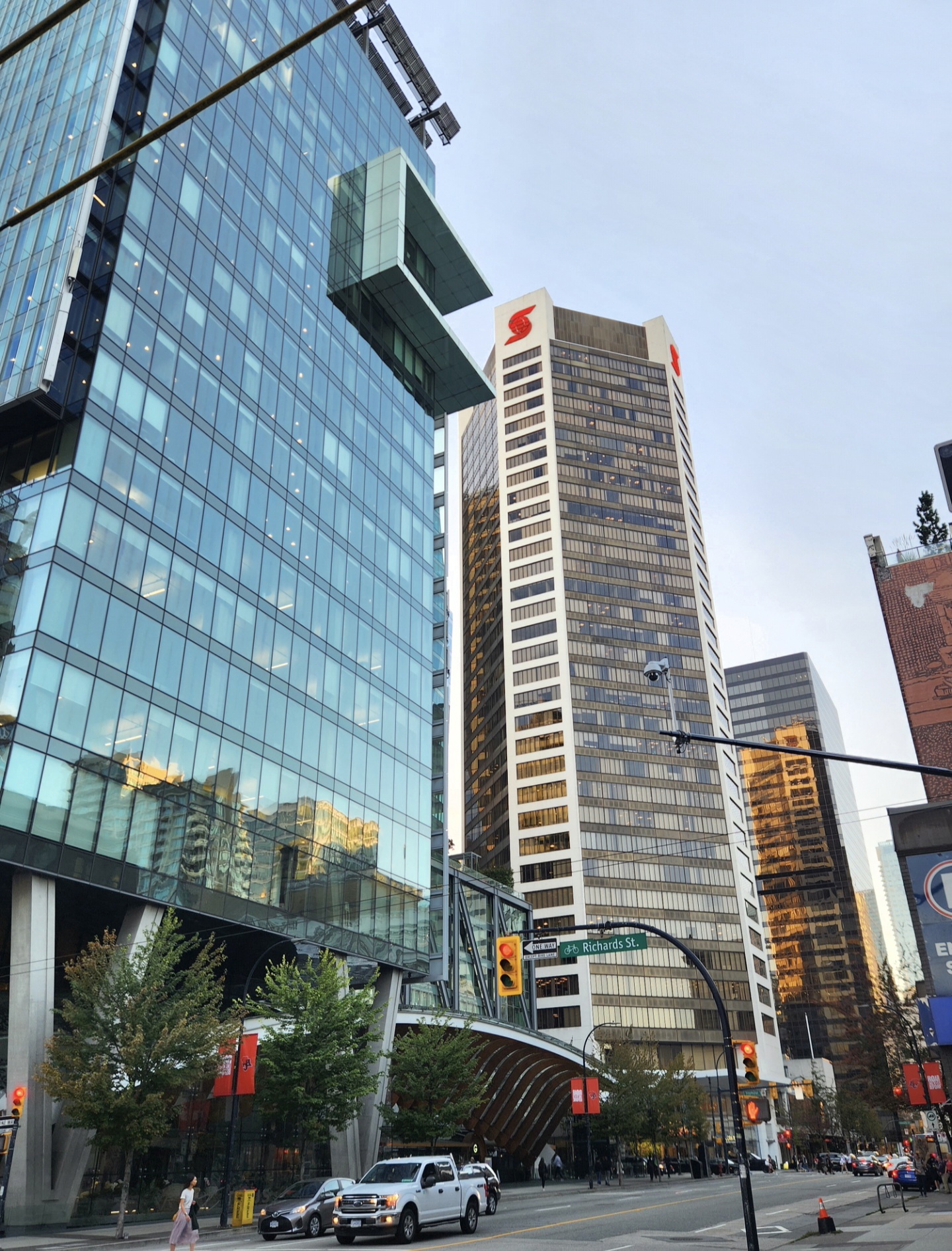
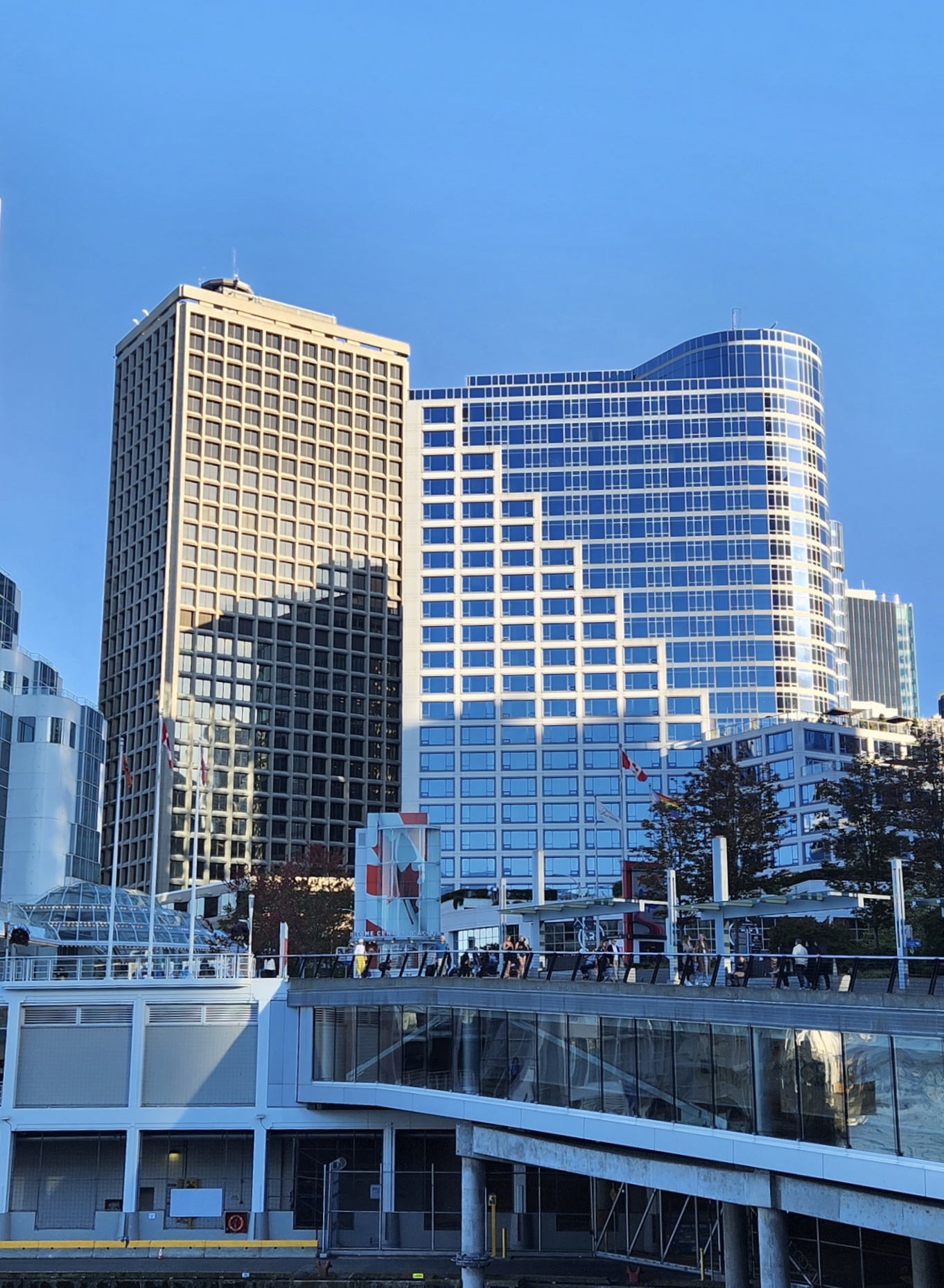
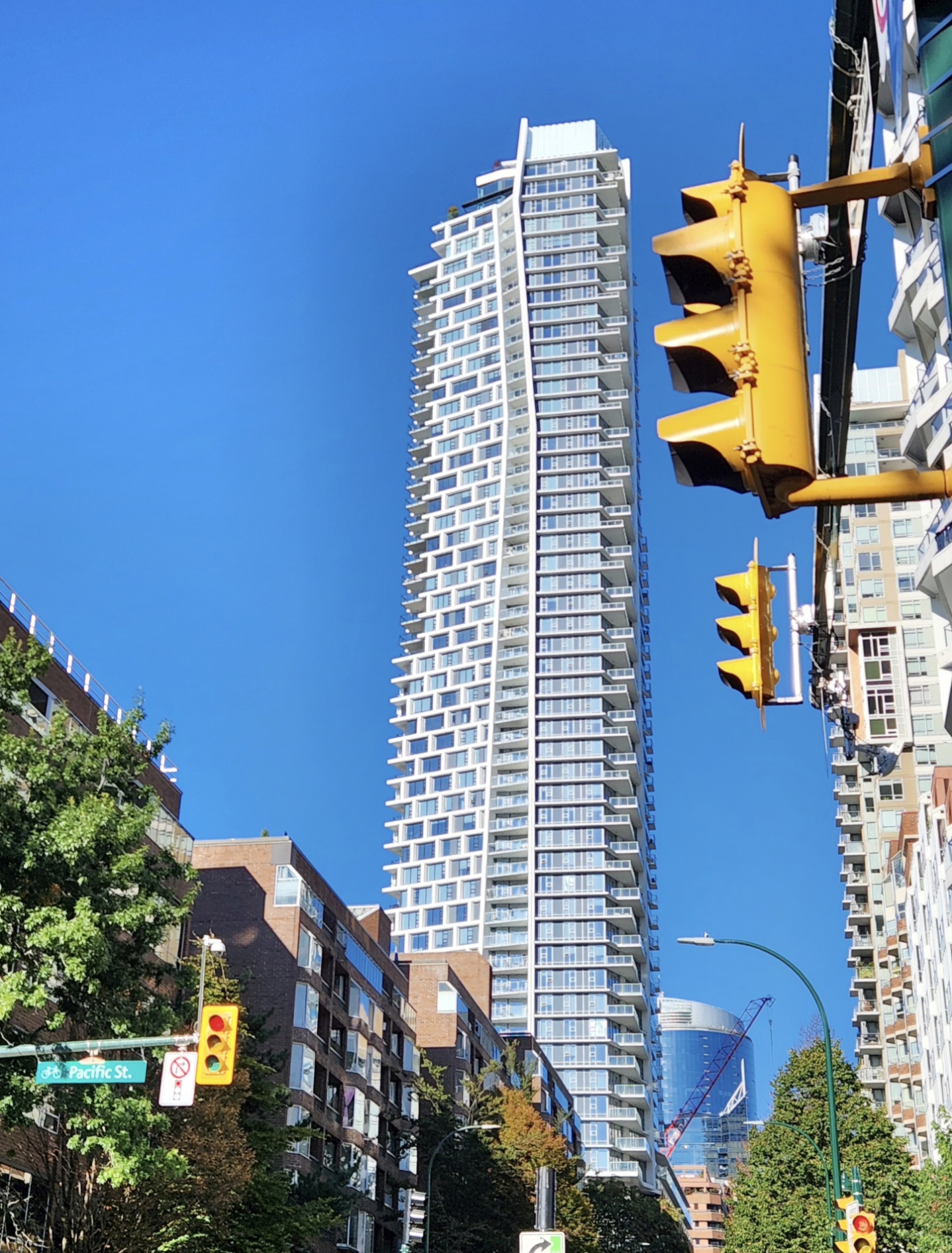
La qualité architecturale des projets est nettement supérieure là-bas comparé à Montréal.
Dans le West End, des petites places publiques agissent comme filtres modaux.
Les trottinettes Lime en libre-service fonctionnent avec des station.
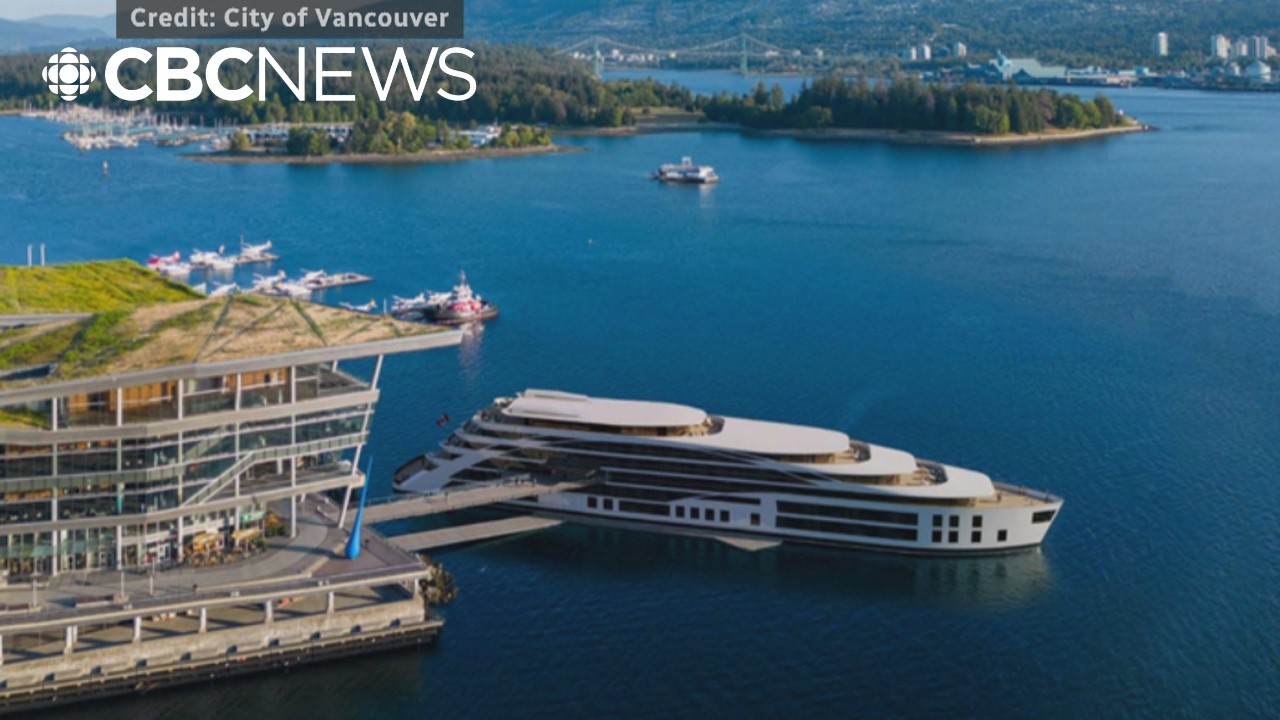
Une compagnie privée offre désormais un service de traversier rapide entre Vancouver et Nanaimo.
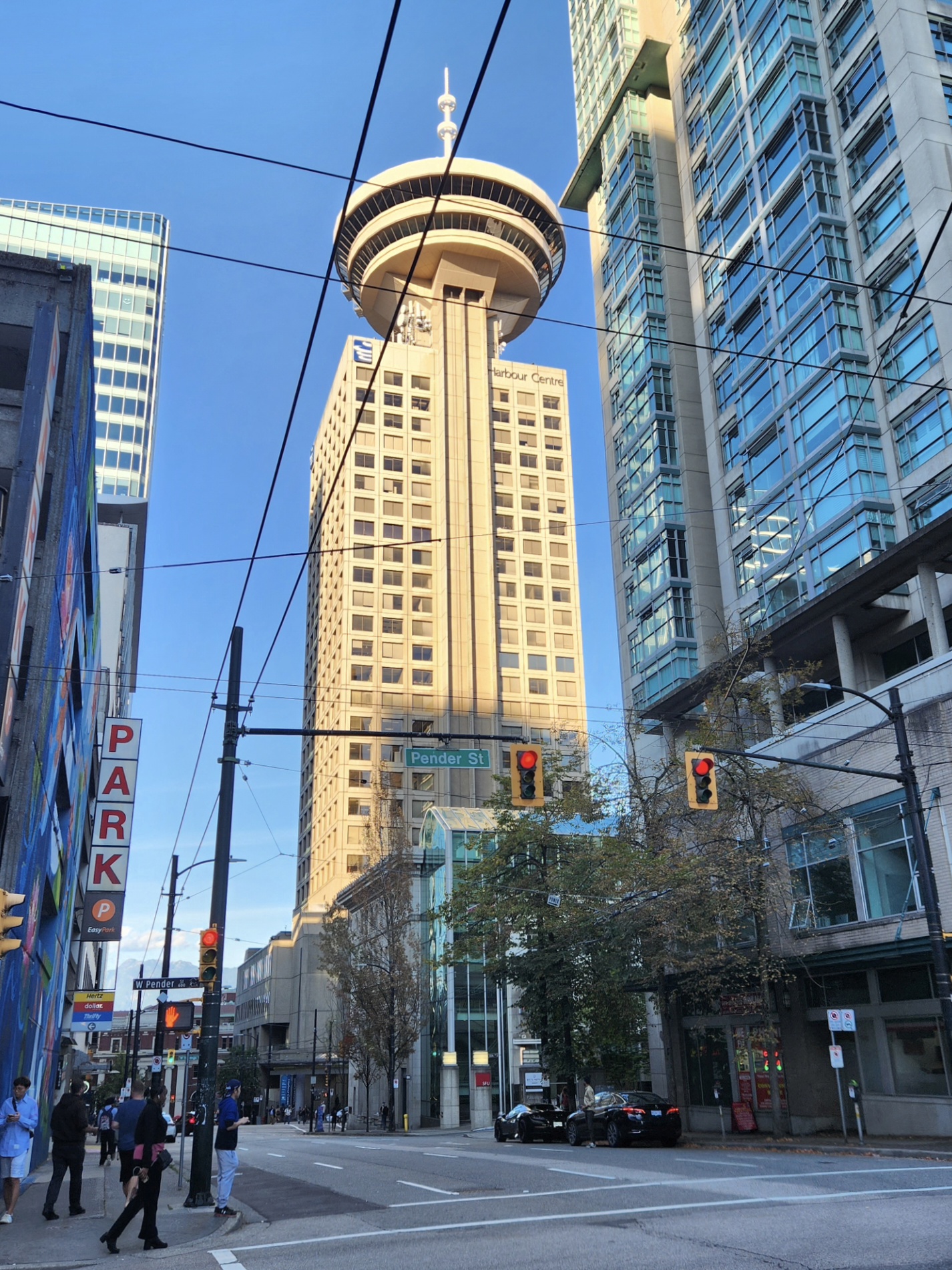
Quelques exemples de signalétique urbaine. Montréal aurait avantage à en avoir plus.
J’espère qu’on aura un jour un service entre Vancouver et Victoria!! Une navette entre les centres-villes couperait le temps en deux (ou même meilleur!) pour ceux·elles qui prennent le TEC, et Victoria est destination parfait pour une visite de journée!