Revisiting a topic from a month ago, the e-mobility prohibition is still very ambiguous on the rem.info site. Yes, I know they’d interpret ARTM’s 53.2 (“Dans le matériel roulant du REM, il est interdit à toute personne, en tout temps, de transporter un appareil de transport personnel motorisé”) as being an umbrella that trumps what’s written further down the REM pages, but… many e-scooters fold, including mine, and it is also not “gas-powered.” 

1 « J'aime »
J’ai réussi à obtenir une copie de ces livres. Si vous êtes intéressés à les consulter, n’hésitez pas à m’envoyer un message. J’habite au centre-ville.

25 « J'aime »
Un message a été fusionné à un sujet existant : Ouvrages d’art - Antenne Aéroport - Discussion
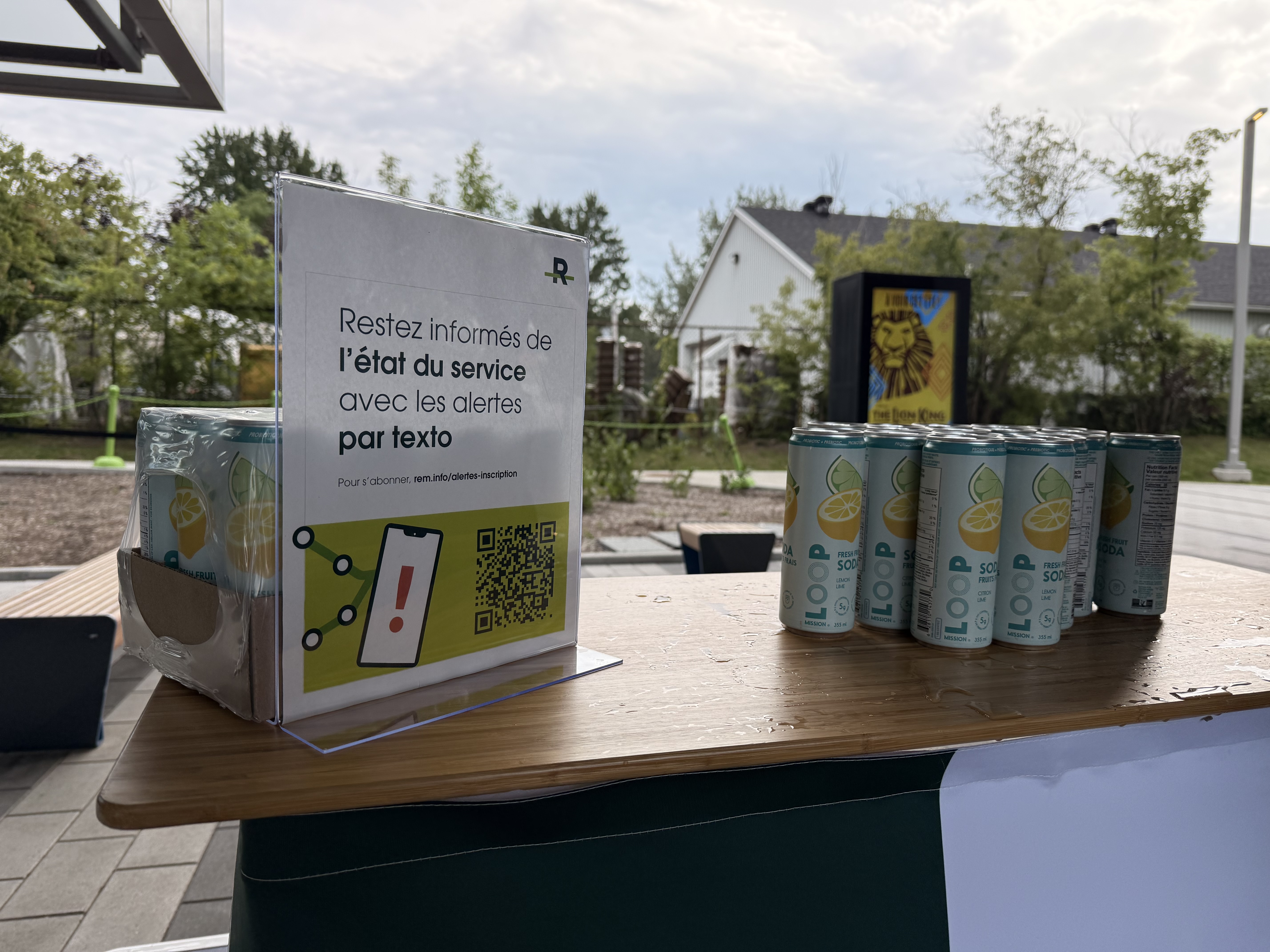
L’équipe de CDPQ Infra offre de la limonade gratuite à la station Pierrefonds-Roxboro jusqu’à 17:00.
12 « J'aime »
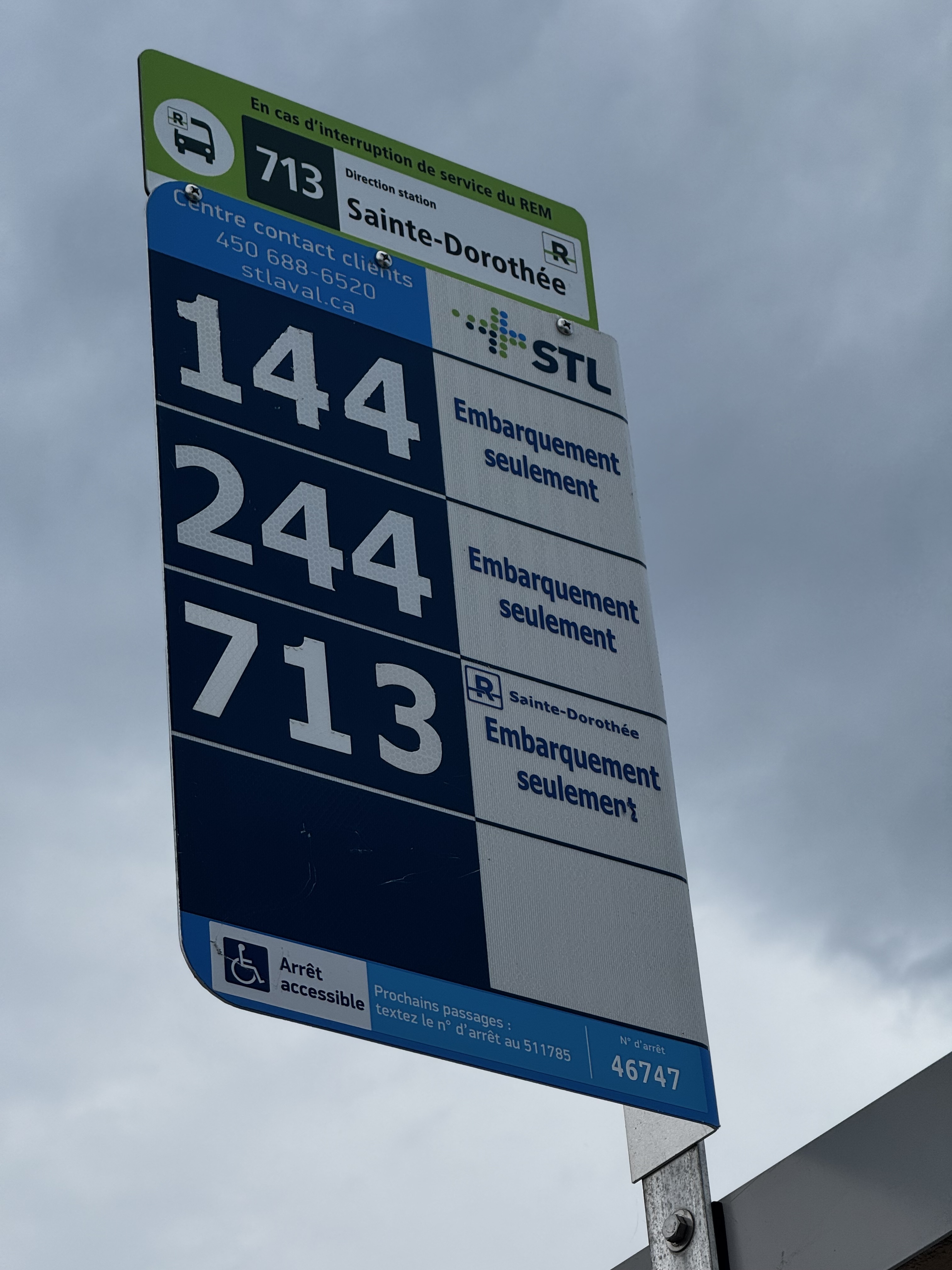
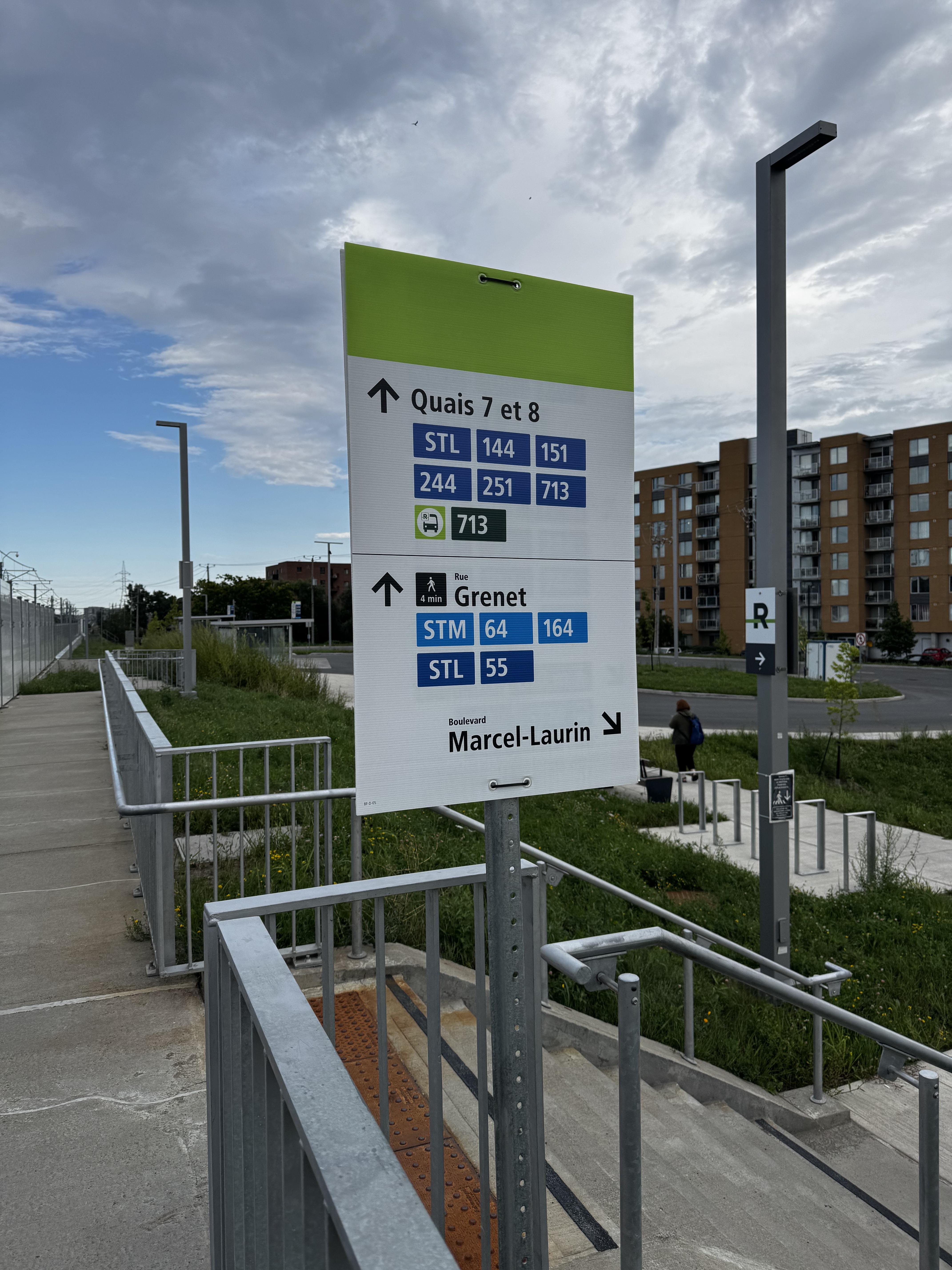
I was roaming around Bois-Franc when I noticed this weird situation.
The question is: how will one distinguish route 713 from route R713? From what I see, STL route 713 and the 713 replacement shuttle are using the same stop 
Edit: And yes, they seem to be distinct services according to this: Shuttle buses and alternatives in case of service interruption | REM
4 « J'aime »
I believe the real question is: Is there even a distinction to make?
1 « J'aime »
It’s not something that impacts the passengers. When there’s no disruption, the 713 runs according to its planned schedule. When there’s an outage, its frequency is increased via the 713R.
2 « J'aime »
“Noice” 
1 « J'aime »
I expect the replacement shuttle not to do the 25 (or so) stops between Bois Franc and Île Bigras stations.
1 « J'aime »
Or it runs during the weekend when needed whereas the regular 713 does not.
1 « J'aime »
D’autres ouvertures tardives à venir mais ça ne concerne pas l’antenne Brossard.
-
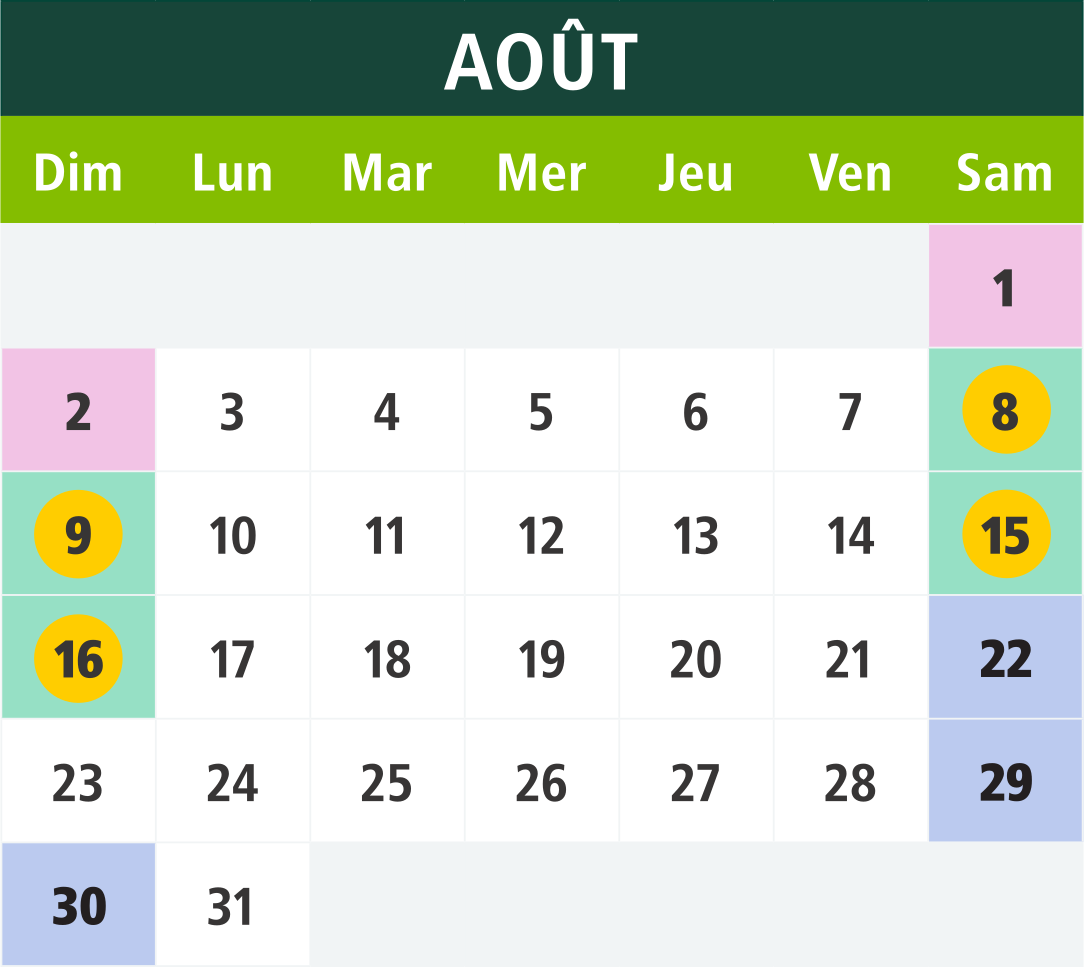
Des ajustements ont été apportés au calendrier d’août. Des ouvertures tardives ont notamment été ajoutées les 22, 29 et 30 août entre Gare Centrale, Deux-Montagnes et Anse-à-l’Orme. Consultez les modifications ci-dessous.
-
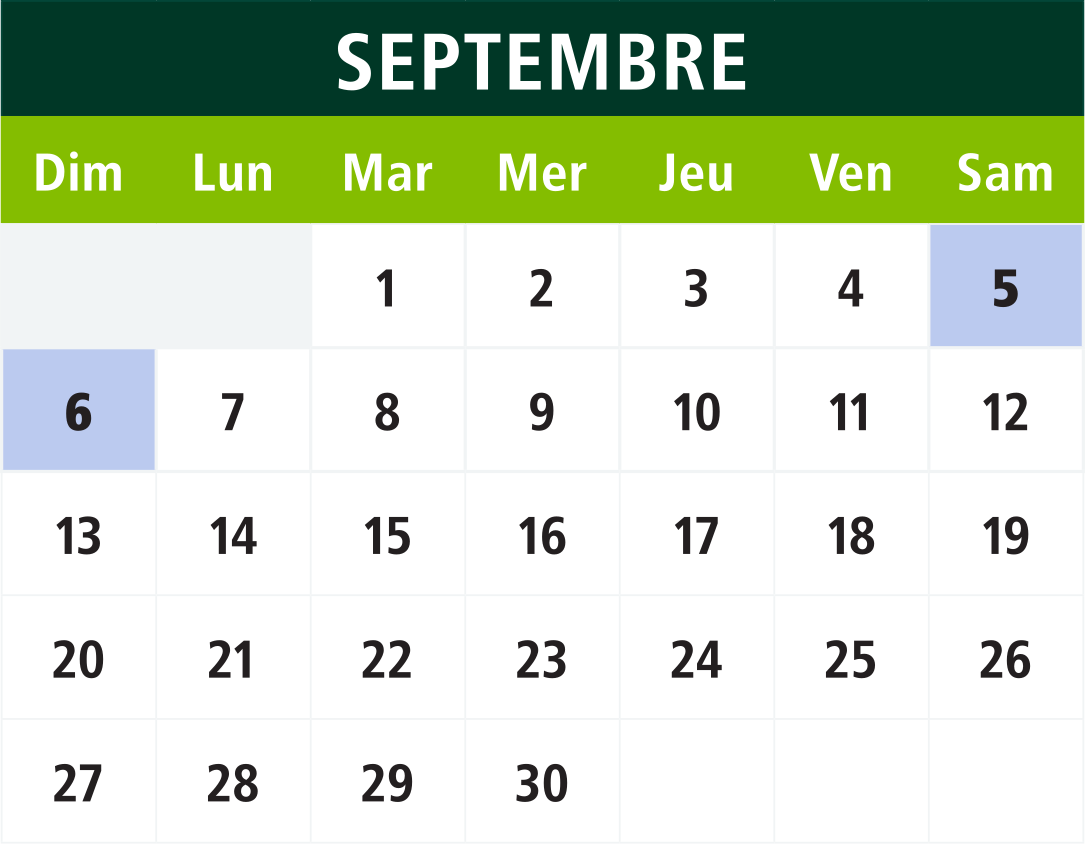
Des ajustements ont été apportés au calendrier. Des ouvertures tardives ont notamment été ajoutées les 5 et 6 septembre 2026 entre Gare Centrale, Deux-Montagnes et Anse-à-l’Orme. Consultez les modifications ci-dessous.
3 « J'aime »
More than 300 free parking spaces will be added at two REM stations in Pierrefonds-Roxboro over the next week, the borough’s mayor said Thursday.
In a post on Facebook, Mayor Dimitrios Jim Beis wrote Sunnybrooke station will gain 120 spaces starting Friday, bringing its total to 453.
That will be followed by another 203 spaces opening at Pierrefonds-Roxboro station on Aug. 27, he said, which raises its total to 823.
Beis said the borough had been asking for the additional parking “for quite some time” and it’s “definitely a step in the right direction to encourage folks to use the REM.”
5 « J'aime »
Wow! A whole half train! Such a good use of space
22 « J'aime »
Je viens d’entendre que le métro indique maintenant les correspondances avec le REM à la station Bonaventure, ainsi qu’avec les trains de banlieue à la station Lucien-L’Allier.
1 « J'aime »
Les trains d’Exo sont aussi (enfin) annoncés aux stations de métro qui offre la correspondance (Sauvé, Vendôme, de la Concorde)
3 « J'aime »
From what I’m understanding they’re just removing the paid parking that was already there but was barely used, and to be fair I don’t think I’ve seen a single car in the Sunnybrooke paid parking this last week
But man we really do need an actual bike lane leading there ASAP
13 « J'aime »
I think the paid parking should just be better balanced, perhaps based on demand. The cost per day is quite high, especially comparing to parking downtown
6 « J'aime »
I think it’s meant to happen this year. (At least according to an march 2026 internal document obtained by @Kuzbell’s information request), but I have not seen anything more about it (e.g. a contract on SEAO)

2 « J'aime »
Chronique de Maxime Bergeron dans La Presse
Le REM, du fantasme à la réalité
[…]
Le REM est un ajout extraordinaire à l’offre de transport collectif montréalaise. Il permet de relier plusieurs villes de banlieue au centre-ville, dans des wagons modernes et climatisés. La future connexion vers l’aéroport permettra à la métropole d’arriver enfin au XXIe siècle.Malgré des dépassements de coûts, CDPQ Infra a réussi à livrer un réseau moins cher que bien d’autres. La facture atteint en moyenne 125 millions par kilomètre, contre 1,3 milliard par kilomètre pour la ligne bleue du métro.
Pour le budget, ça marche.
La rapidité a aussi été au rendez-vous. Il s’est écoulé à peine cinq ans entre la première pelletée de terre et l’inauguration de la ligne vers Brossard. Une autre case cochée.
Mais l’histoire est tout autre en matière de fiabilité, depuis le début. Seulement ce mois-ci, le REM a déjà été plombé par trois pannes.
[…]
Article beaucoup plus nuancé que ceux d’un certain Michel C. Auger.
5 « J'aime »