Ailleurs dans le monde - Transports en commun

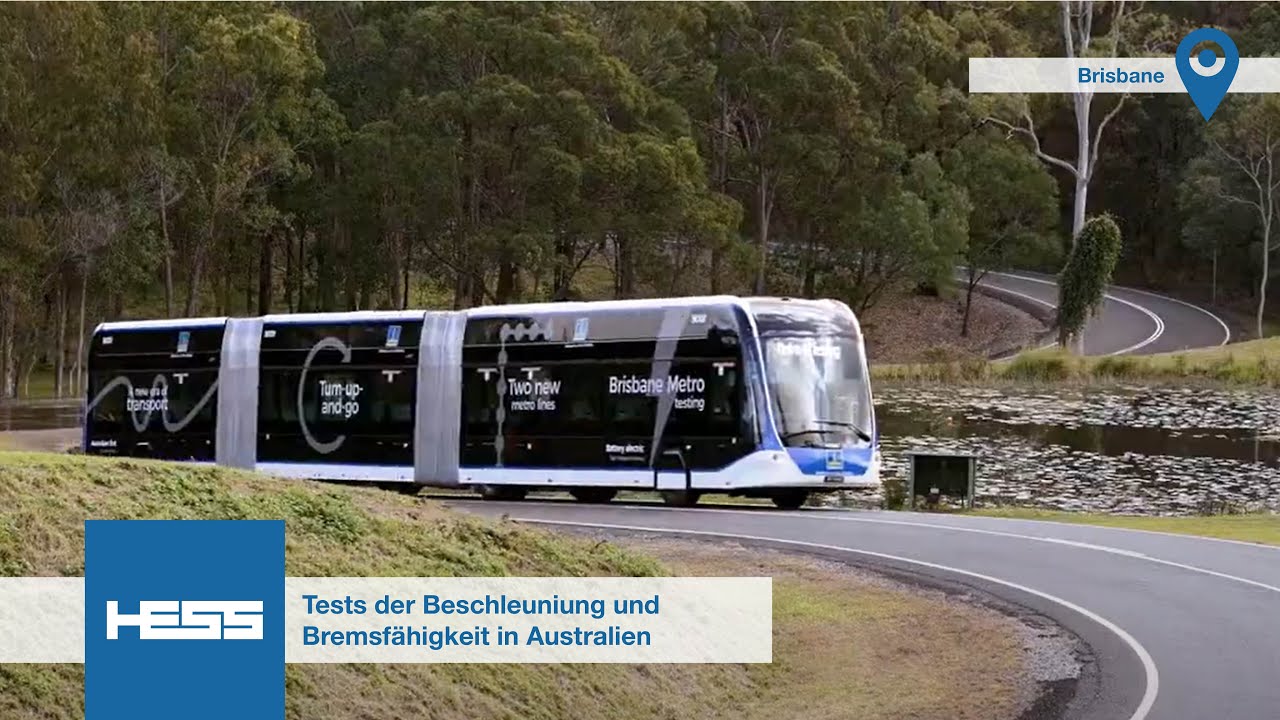
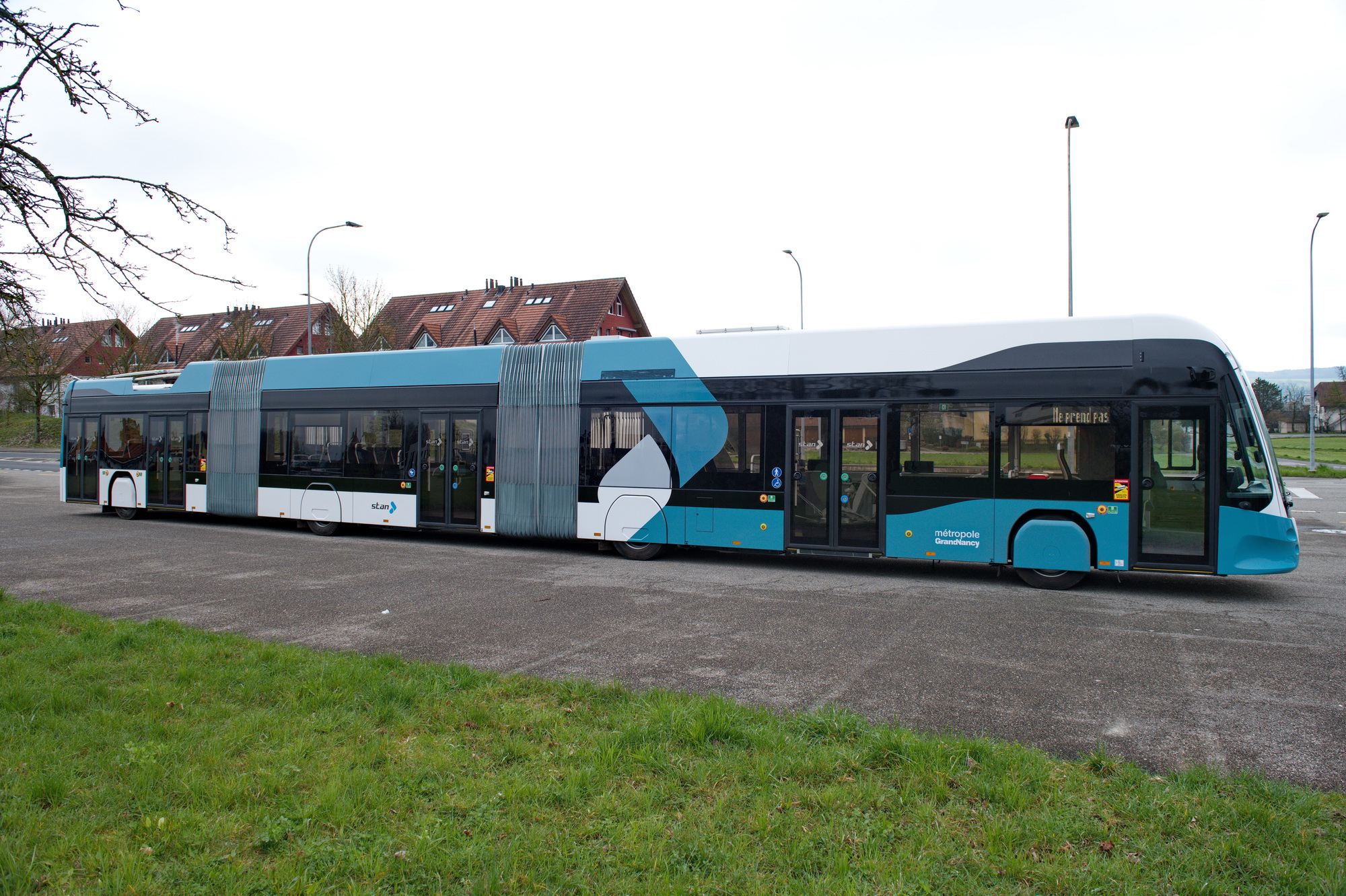
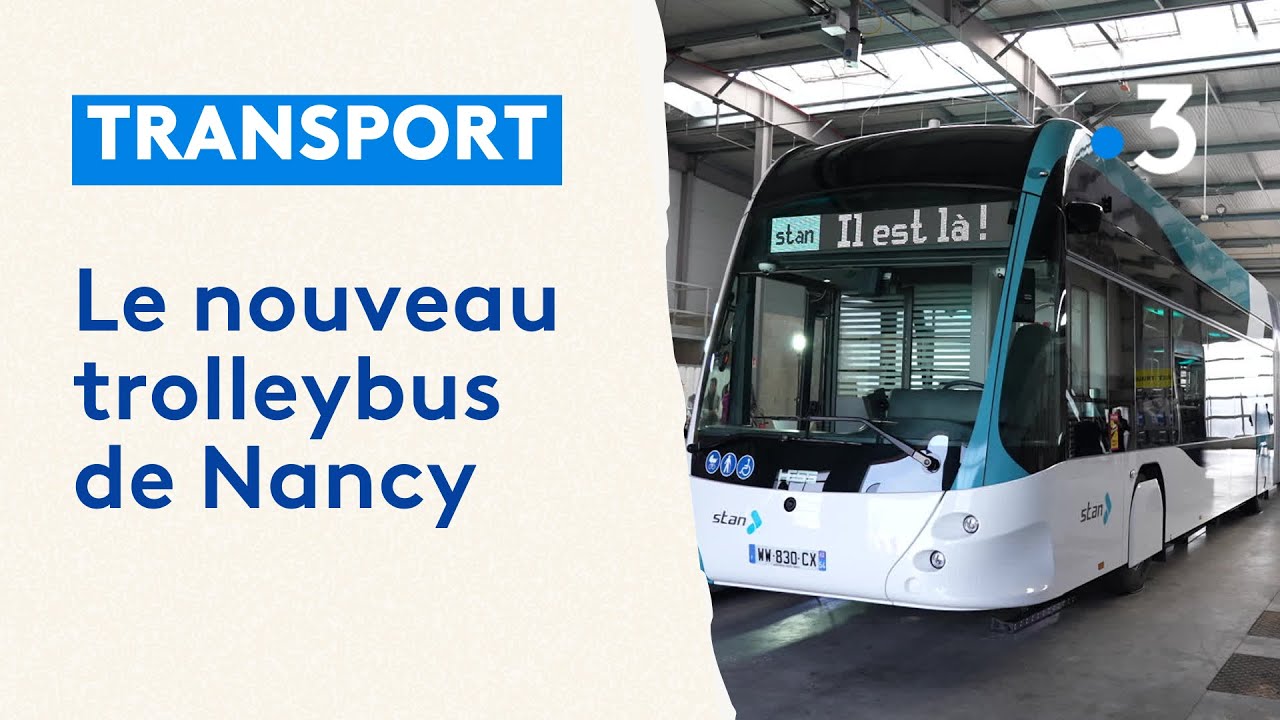
La ville de Nancy remplace justement son tramway sur pneu par une ligne de trolleybus avec des bus à 3 caisses du fabricant Hess. Ces véhicules font 24 metres, ce qui est le maximum légale en Europe


Droits d’auteur : Stefan Dummermuth

Le véhicule en vidéo :

3 « J'aime »

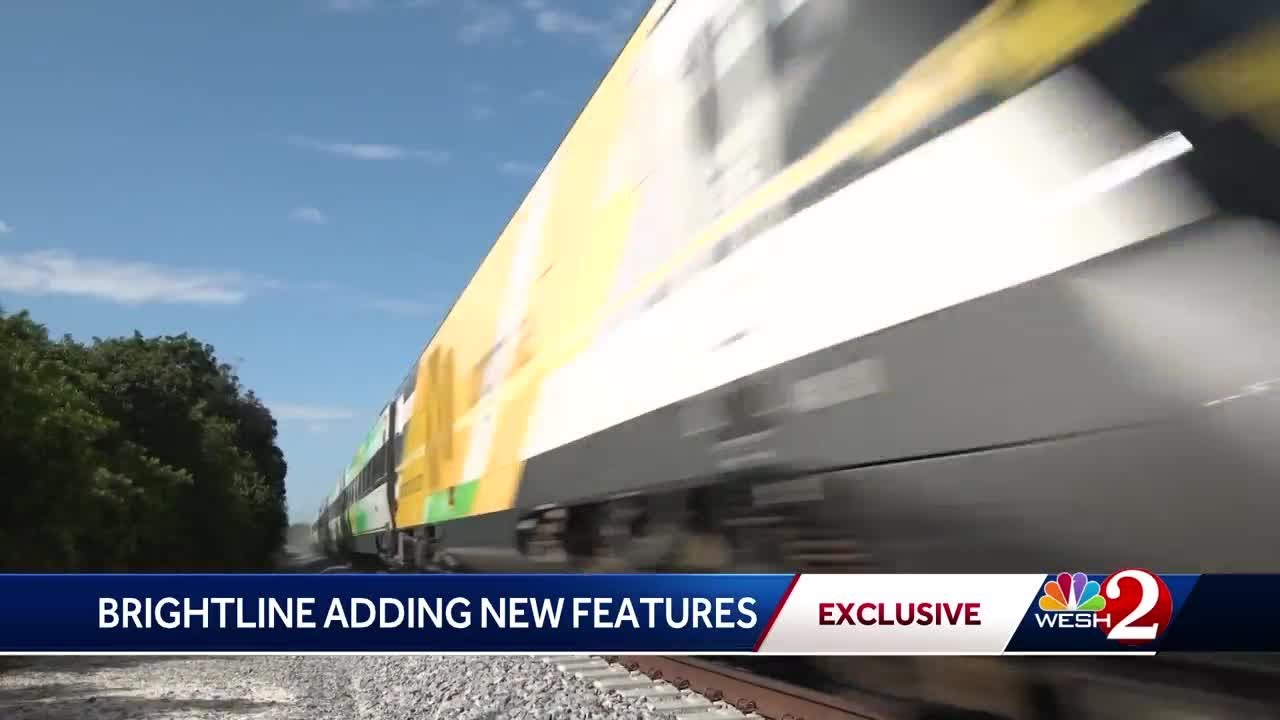
On discute souvent sur le forum qu’on devrait développer le train de banlieue davantage dans la région de Montréal. Ça passe fort probablement par une acquisition en totalité ou en partie de certaines emprises ferroviaire si on veut avoir un service fréquent toute la journée.

Je trouvais cet exemple américain intéressant pour se donner un ordre de grandeur.

La ville de Charlotte en Caroline du Nord a acheté pour 74 millions 35 km de voie ferrée de la compagnie Norfolk Southern afin d’avancer le projet de Red Line Commuter Rail. La trafic de marchandise serait maintenue sur la voie (mais j’imagine de nuit). Ils prévoit un train aux 30 minutes à l’heure de pointe et aux heures hors pointe par direction.

4 « J'aime »

Hess (with ABB and Volgren) is building the battery-electric bi-articulated vehicles for the Brisbane “Metro” (NB: Brisbane is also building a new twin rail tunnel under the CBD for its heavy rail urban and regional network, operating as more or less a RER or S-Bahn).

1 « J'aime »

Prague aussi!

1 « J'aime »

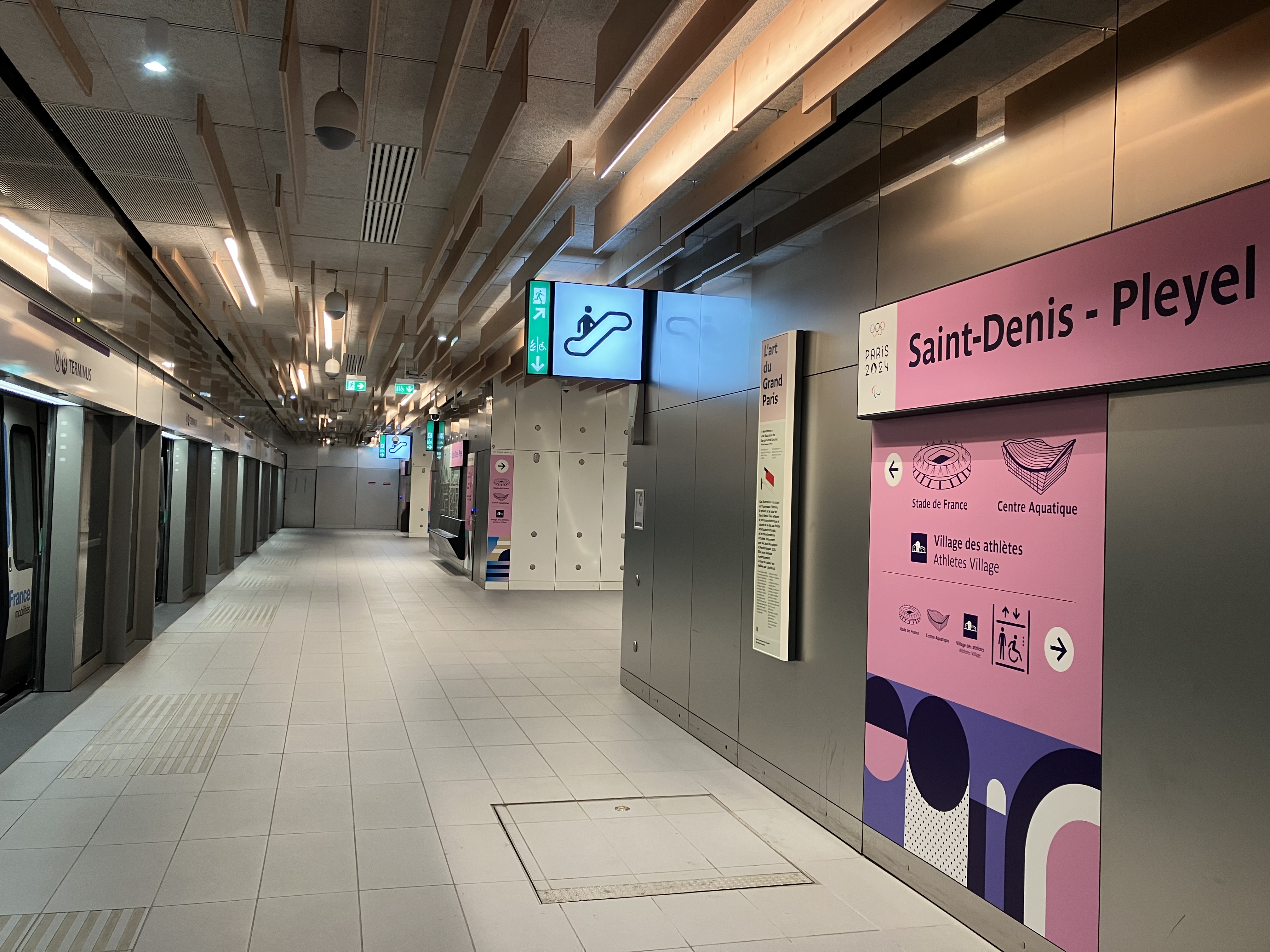
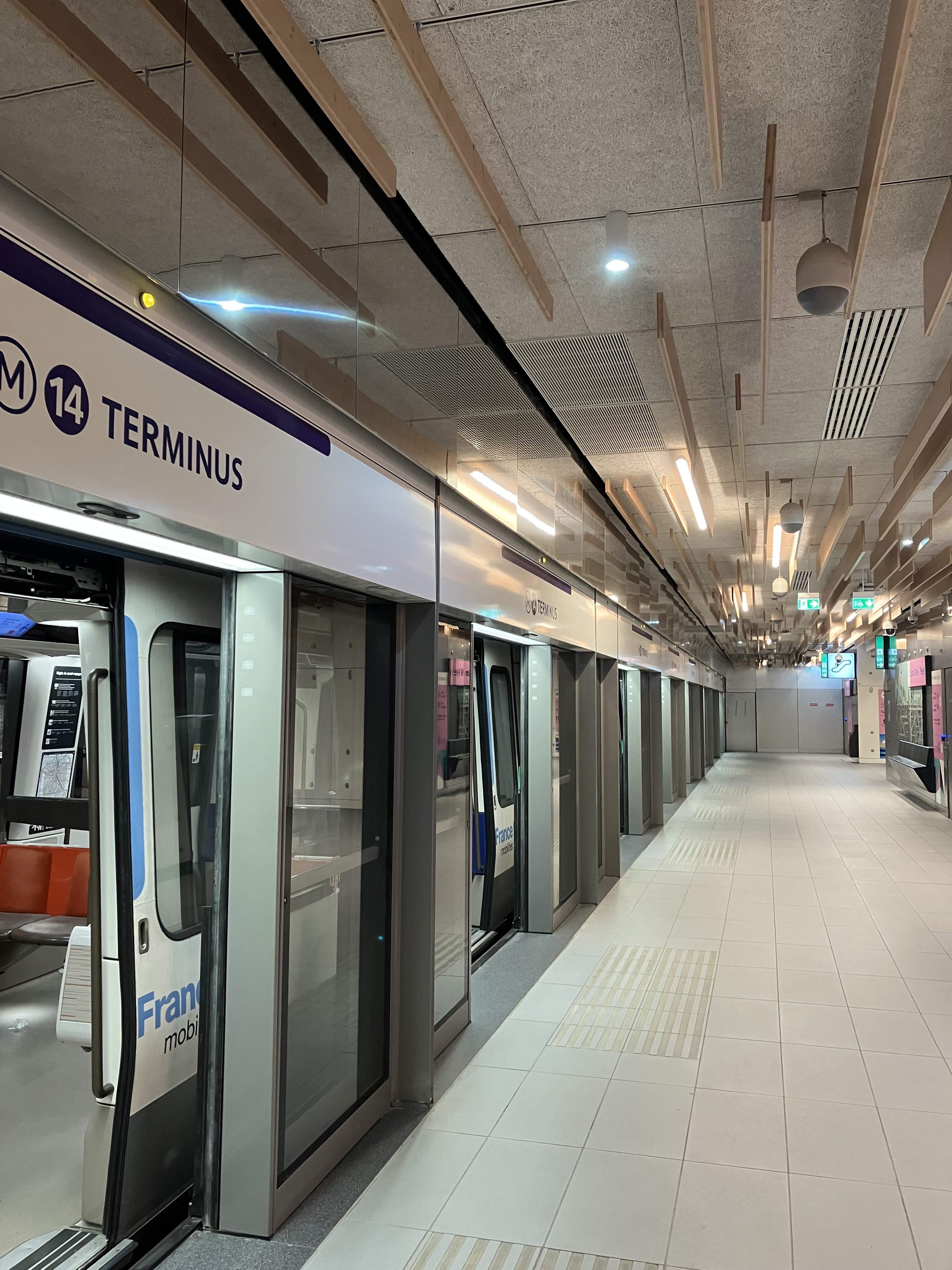
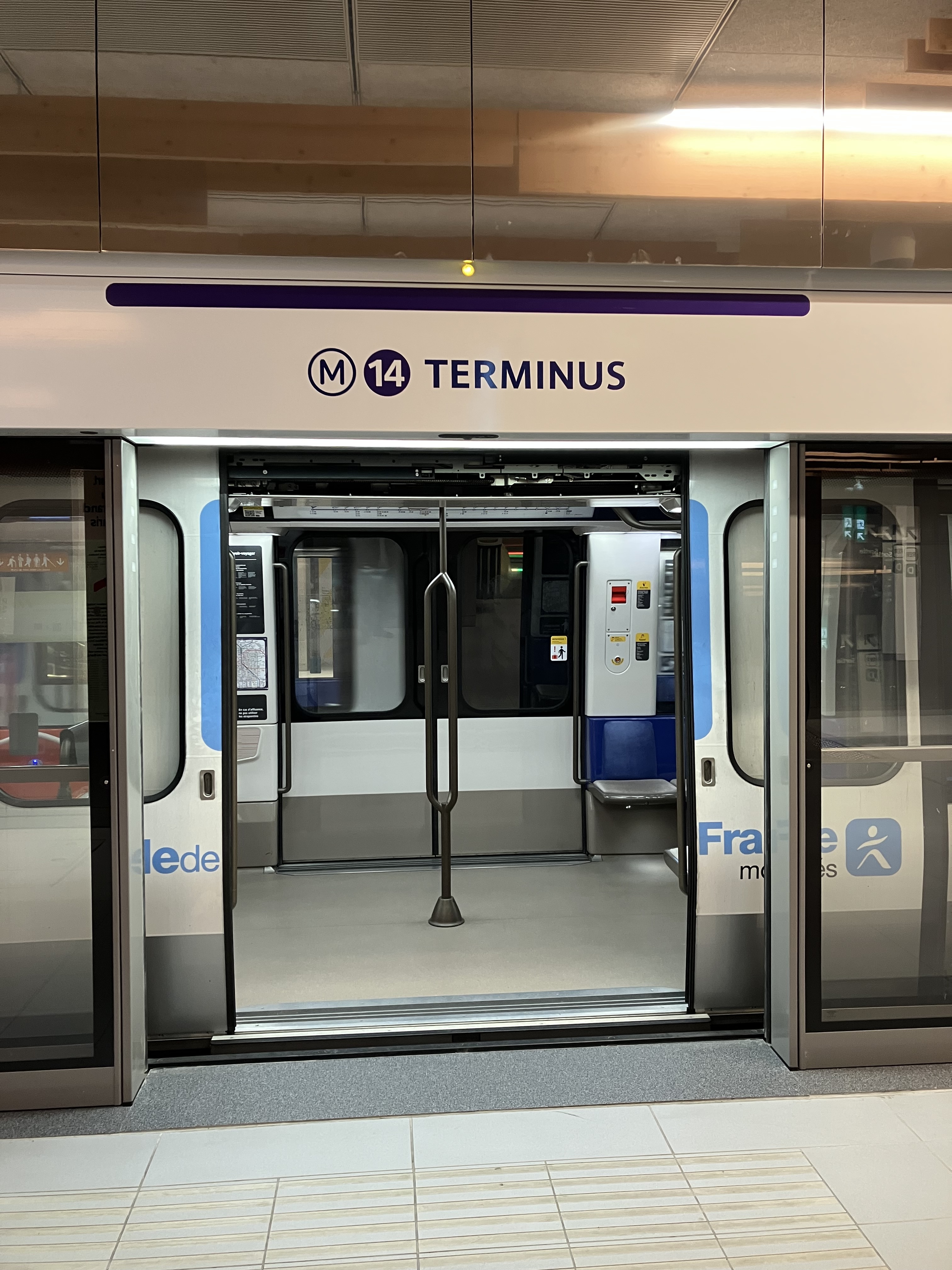
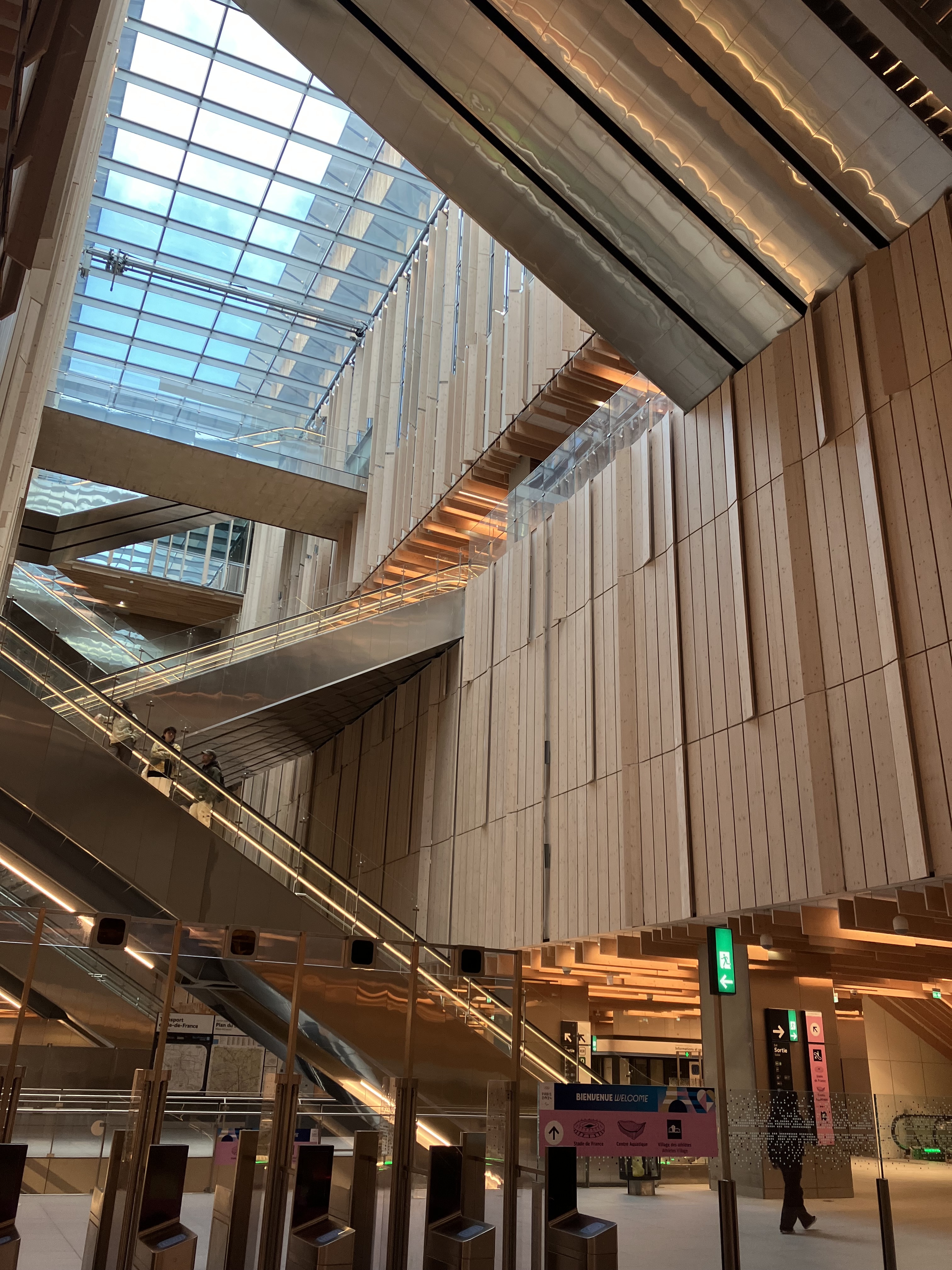
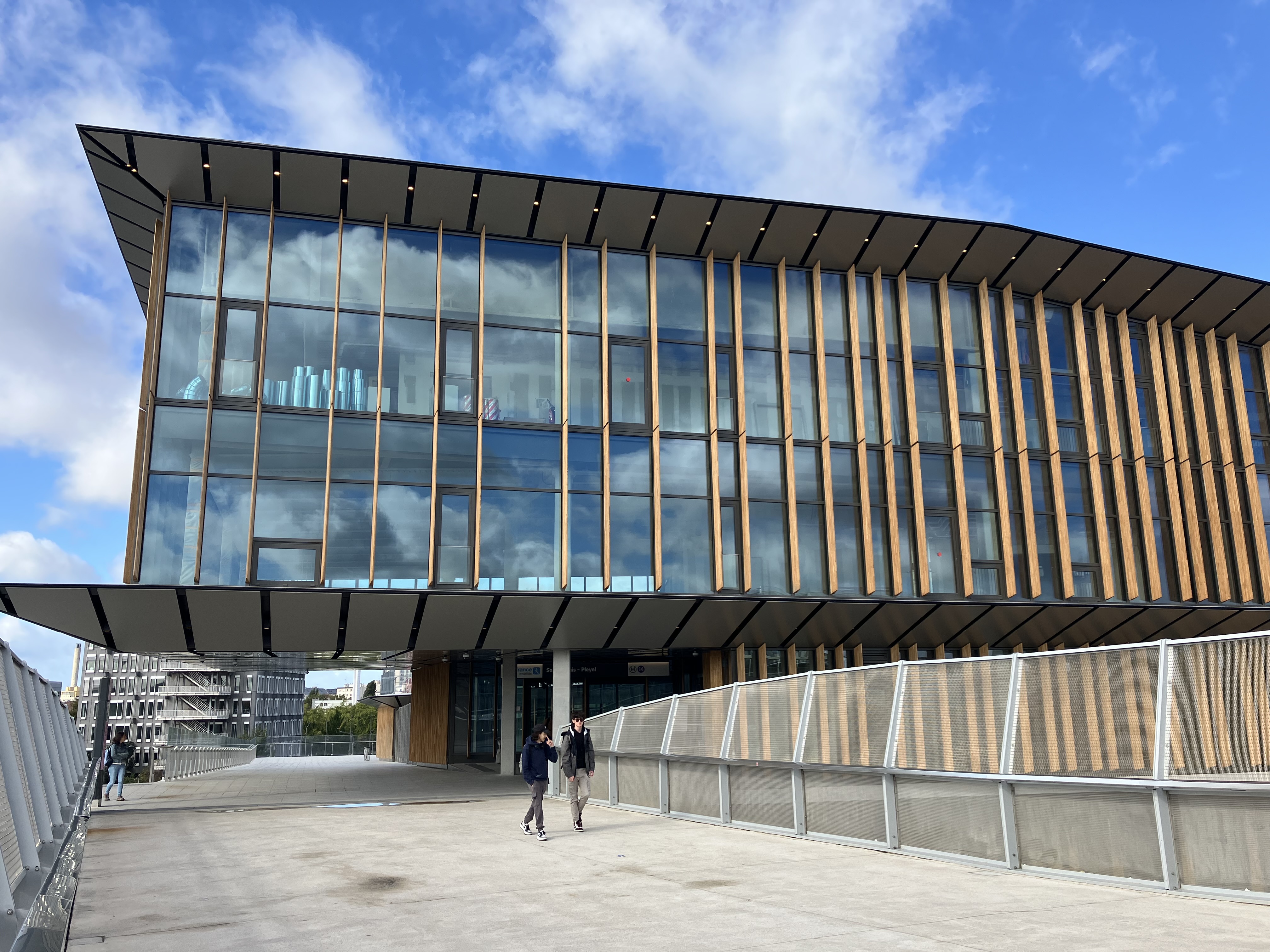
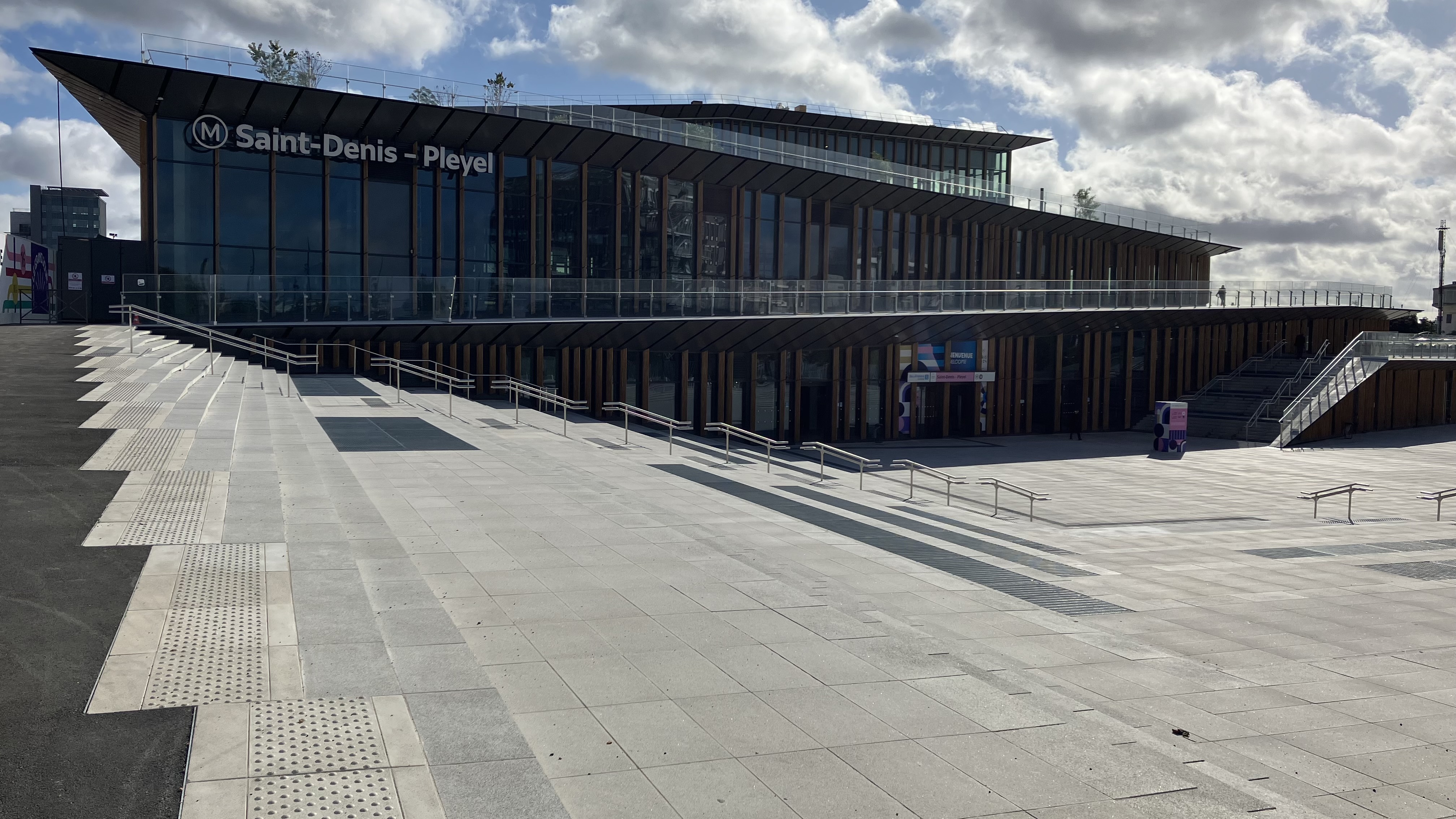
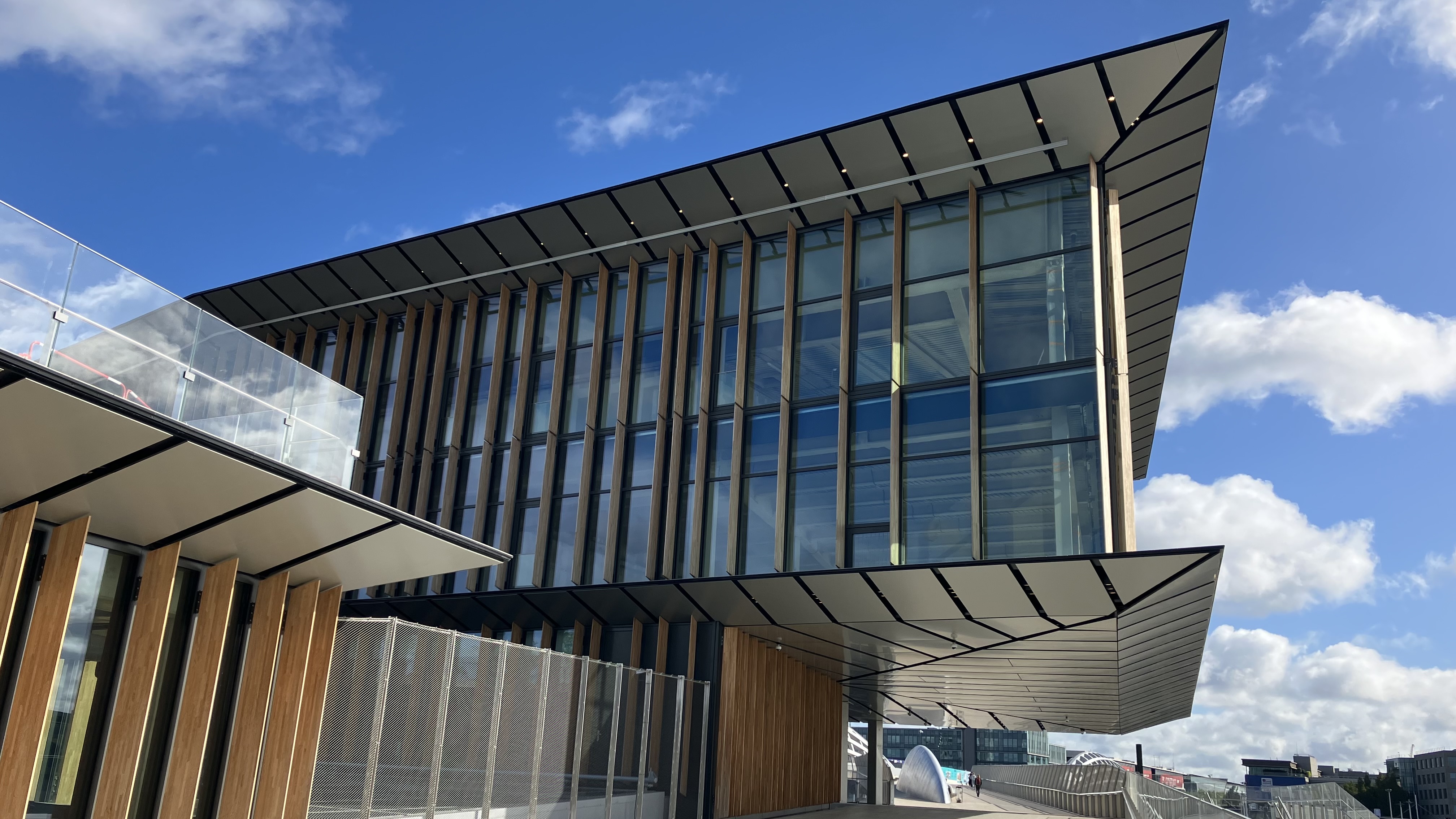
Saint-Denis - Pleyel : “petite gare deviendra grande”.


16 « J'aime »

Montpellier aura des trambus cette année. La ville va construire beaucoup plus de distance sans être obligée de payer des rails. Il y a une opposition sur certains aspects du projet mais pas sur le mode.

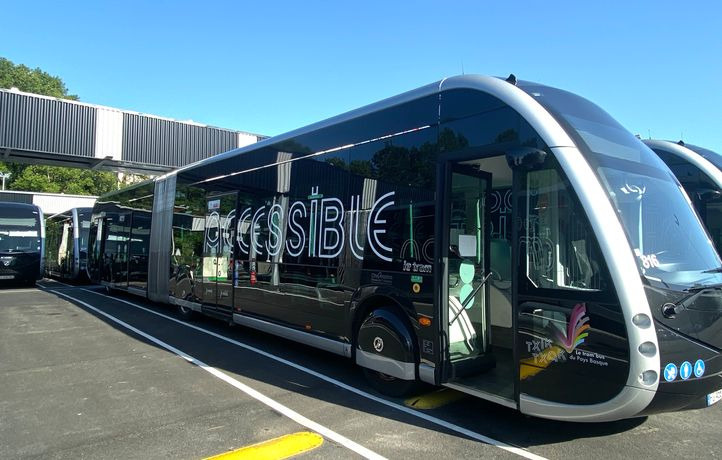
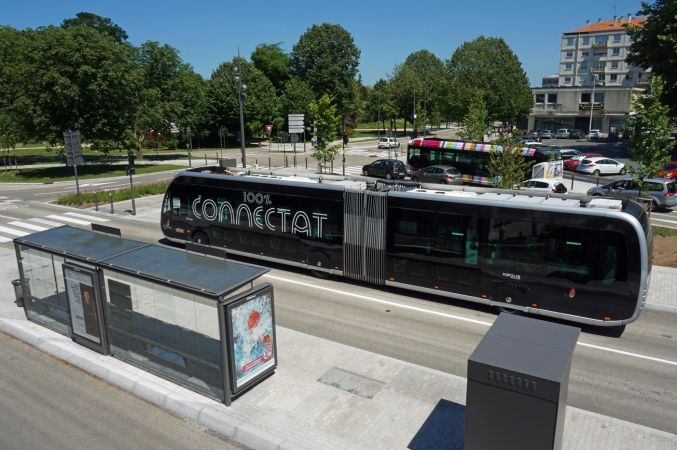
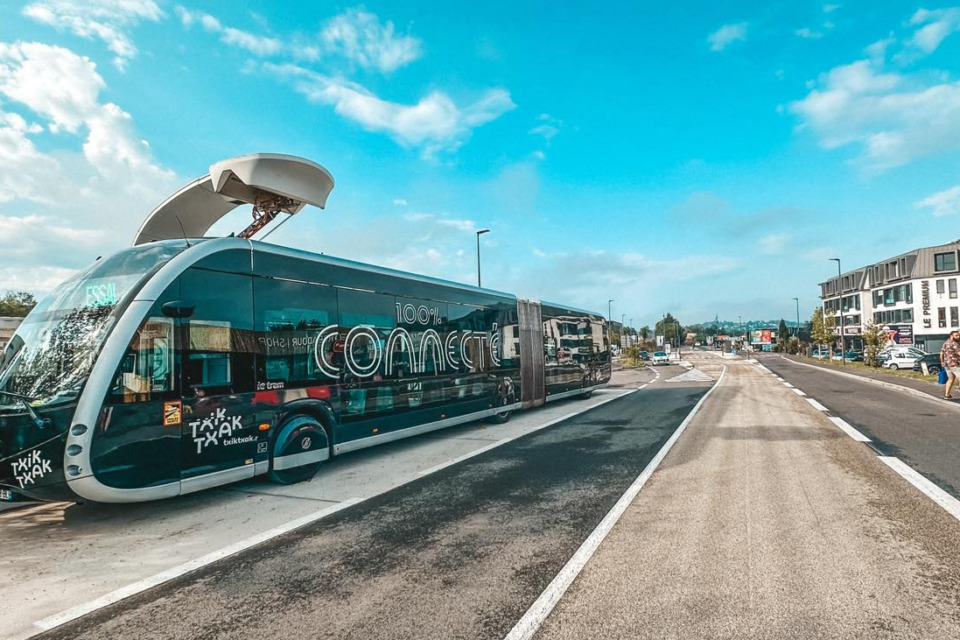
Le trambus en voie dédiée existe au pays basque

image
image

1 « J'aime »

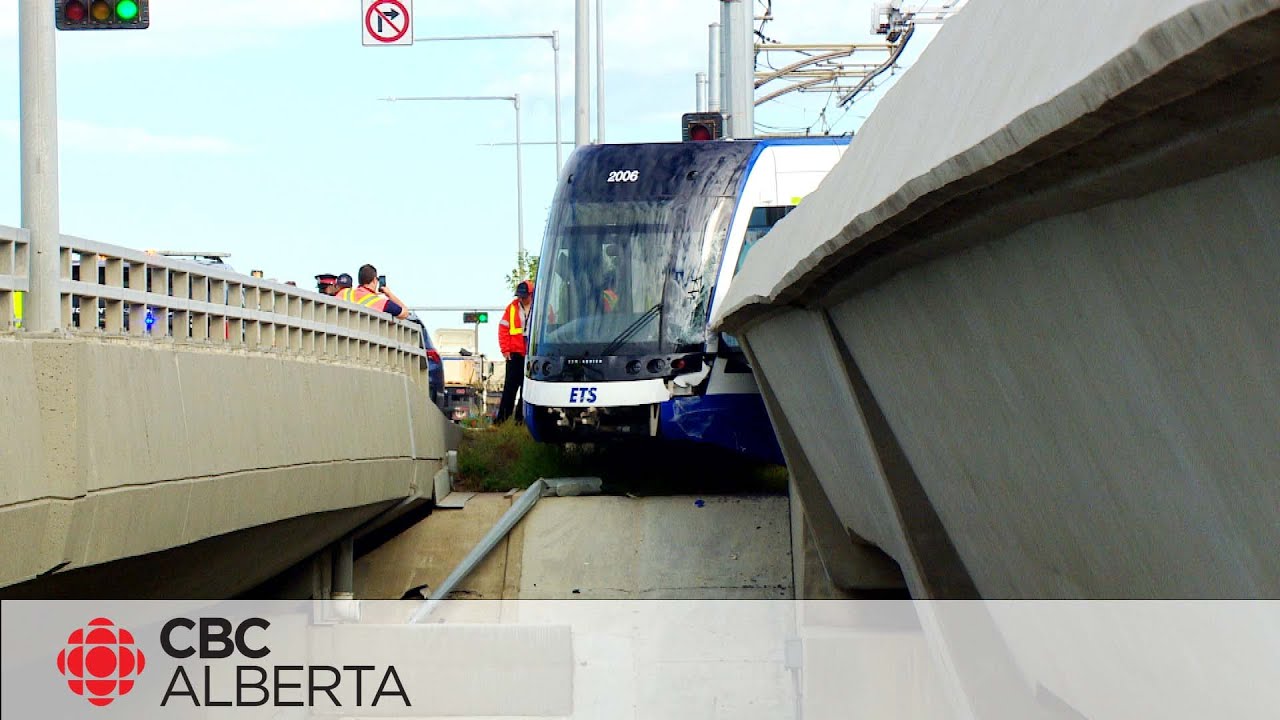
Le résultat quand tu essayes de faire un tramway dans un environnement où tu lui donnes aucune priorité et que tu fais aucun changement dans le design des rues pour mettre le tc en priorité. En plus que tu voies la différence avec les lignes originales qui ont beaucoup moins de collision puisqu’ils sont traitées comme des vraies métro léger comme on voit dans la vallée du Ruhr. Il faut vraiment que les urbanistes et les professionnels de transport stoppe de regarder avec admiration des systèmes comme Seattle ou Portland et de les prendre pour exemple puisque ces deux systèmes ont de multiples problèmes qui nuit à leur attractivité. Il faut regardez plutôt ce qui se fait de mieux comme Hong Kong, Paris, Casablanca (très bon réseau tramway), New Delhi et Tokyo pour donner des exemples qui vont réellement donner les clés de compréhension aux planificateurs pour construire des réseaux efficaces et attractifs. La première règle en revanche que tous planificateurs de devraient se faire imprimer dans le cerveau de manière obligatoire est CHOISSISEZ UN MODE ET UN RÔLE CLAIR PUIS RESTEZ-Y.

5 « J'aime »

Quelques statistiques intéressantes dans le reportage:

3 « J'aime »

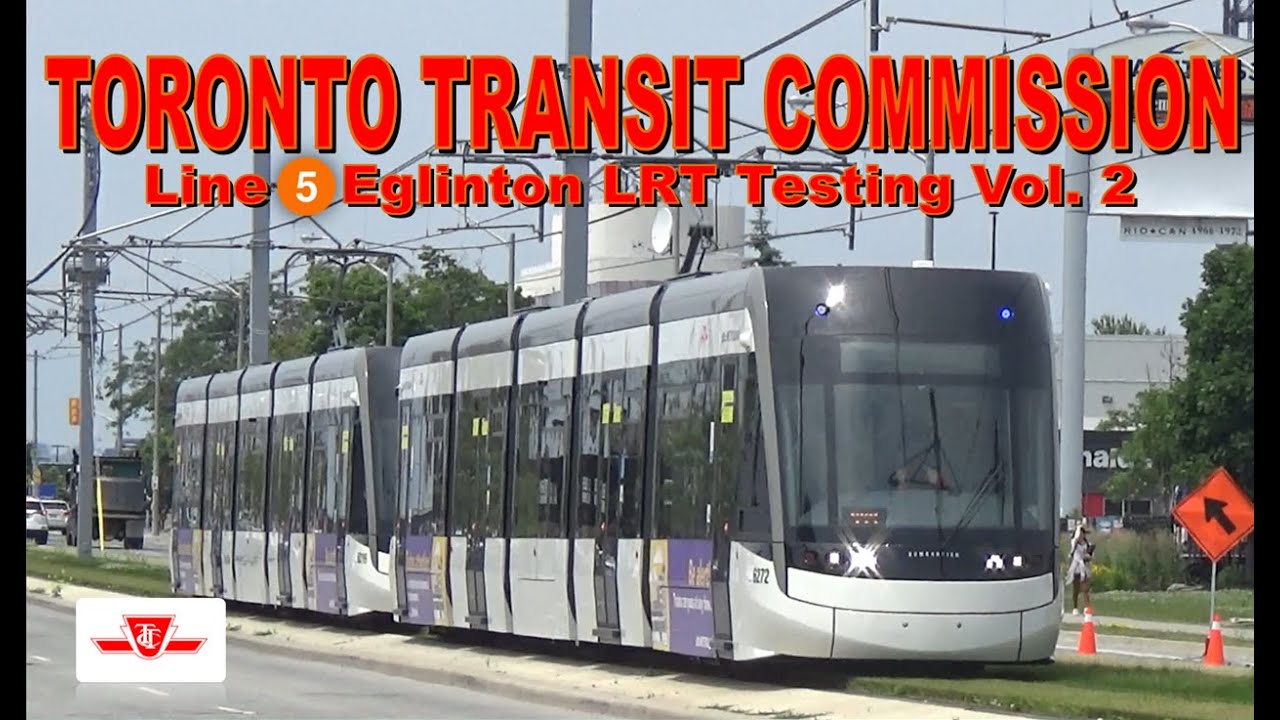
Metrolinx’s beleaguered Eglinton Crosstown LRT will not open in 2024, pushing the delay-plagued project into year 14.

Metrolinx CEO Phil Verster had previously pledged to provide an opening timeline three months before the route’s opening. When pressed on the issue in late summer, Verster once again declined to provide a date.

2 « J'aime »

1 octobre 2024
Aussi à Toronto ce matin…

A legal challenge, launched in early August by Mosaic Transit Partners, claims Metrolinx “breached its contractual obligations” by entering into a separate operator contract with the TTC to run the line which, the consortium believes, is “inconsistent” with the original construction agreement signed with the province.

In return, Global News has learned, Metrolinx is withholding roughly $500 million from Mosaic until the project reaches substantial completion — the technical milestone required in order for the TTC and Metrolinx to officially take over the line.

The complaint that the TTC is effectively interfering with the completion of the Finch West LRT appears to mirror a similar lawsuit and complaint launched by the builders of the heavily delayed Eglinton Crosstown LRT last year.

Exactement pour ça que la Caisse était désignée comme opérateur initial. ça diminue le nombre de parties prenantes. à long terme le REM pourrait revenir à l’ARTM avec une loi mais juste après que les opérations sont stables et la fin de tous les travaux.

Avec le REM les imprévus (bruit, cailloux, etc) sont à la charge de CDPQ infra parce qu’elle construit et exploite le réseau. Si on avait fait comme Toronto l’ARTM et le consortium se serait chicanés pendant des années.

The central claim in the Finch West lawsuit — that the TTC is making demands without a contractual stake in the project — is similar to a separate case filed against Metrolinx by Crosslinx Transit Solutions last year, the group building the still-unopened Eglinton Crosstown line.

That lawsuit, first reported in May 2023, characterizes the TTC as out of control and making a series of demands that are not in line with the project’s blueprint.

“Without a contract … the TTC is left without any clear contractual direction, boundaries or responsibilities,” the lawsuit claims. “Crosslinx is left in an impossible situation where it must meet obligations that depend on the actions of another party who has no reciprocal contractual obligations.”

Ça semble être un mode de gestion des projets différent de celui de l’ARTM. Généralement, elle identifie les sociétés qui opéront les nouvelles infrastructures dès le début du projet et leur délègue une bonne partie de la responsabilité autant sur le plan de la maîtrise d’ouvrage que des opérations. C’est la raison pourquoi c’est la STM qui était maître-d’ouvrage pour le SRB et qu’elle l’est maintenant pour la ligne bleue. Même chose du côté de la gare Lucien-L’Allier avec exo.

Je ne dis pas que nos projets publics ne peuvent pas capoter, mais les chances me semblent plus réduites que nos OPTC devient aussi drastiquement des contrats conclus avec leurs contracteurs vers la toute fin du projet si ce sont elles qui ont défini les devis.

1 « J'aime »

Exact. Donner la maîtrise d’oeuvre des projets au futur exploitant est toujours la meilleure façon de faire. C’est aussi ce que le gouvernement a fait avec le REM. Par contre le REM après 10 ans il n’y aura plus de surprise et ça pourrait revenir dans le giron public.

Je pourrais acheter l’idée que le REM aurait pu être construit par les instances de gestion mais elles n’étaient même pas capables de mettre en place un tarif uniforme ou le paiement par carte bancaire. Il fallait forcer la donne avec la caisse.

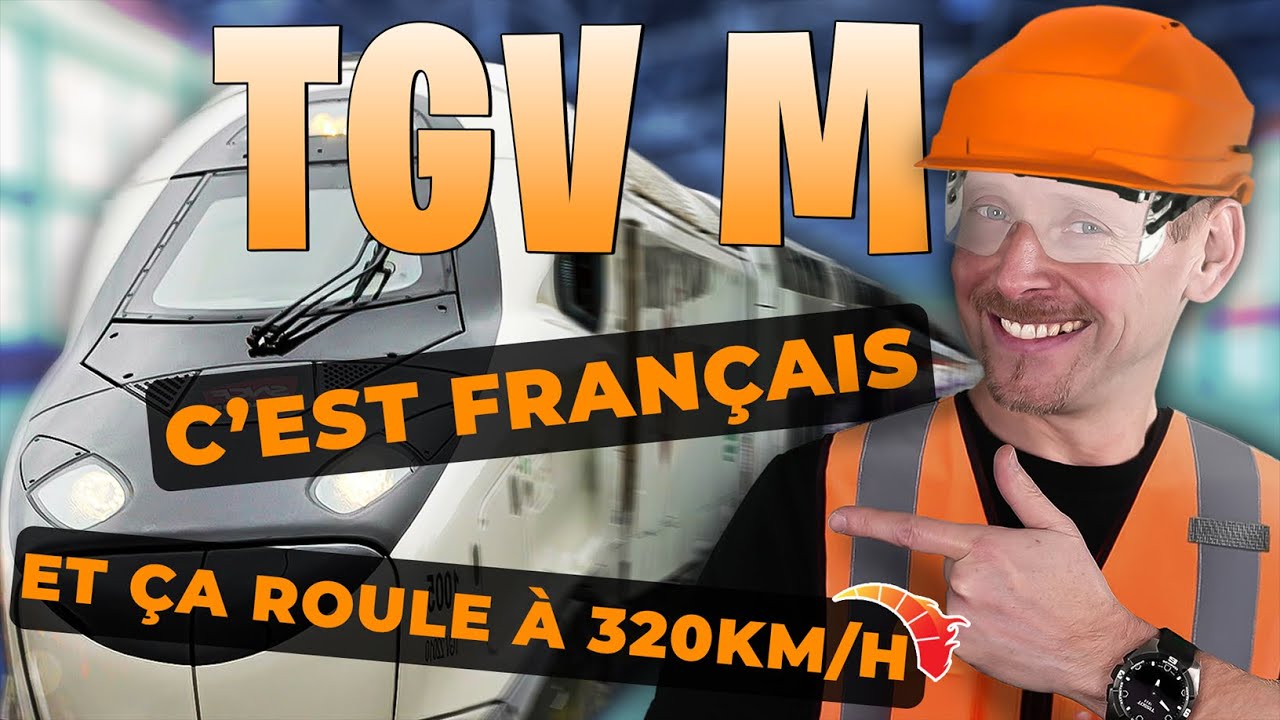
Les innovations du nouveau TGV sont assez incroyables.

Locomotive raccourcie de 4 mètres, + 20% de passagers, - 20% d’énergie, + 5 cm pour les genoux, -15 dbl stationné, accès autonome fauteuils, stockeur d’électricité jusqu’à la prochaine sous-station, module crash qui résiste aux collisions de 15 kmh, compatible dans tous les pays, plus aérodynamique, pas d’équipement sur le toit. Bref regardez ça

7 « J'aime »

8 octobre 2024

Elon Musk’s underground transit system in Las Vegas is a magnet to trespassers and confused drivers who have to be escorted out

It’s not just Teslas zooming through Elon Musk’s tunnels under the Las Vegas Convention Center, chauffeuring passengers as part of a public transit experiment that started in 2021.

A skateboarder got into a tunnel through one of the established passenger pickup stations, forcing staff to briefly tell drivers to stand by while they ejected the interloper.

Someone else got in through another station when the transit system wasn’t running, and started taking photos underground until security arrived.

Then there are the unauthorized cars that have repeatedly tailgated the Teslas into the tunnel stations, sometimes getting in before the automated security gates have a chance to close behind.

Trespassing in the tunnel system has become a headache for the Boring Company, which built and operates the 2.4-mile subterranean road network known as the Loop. People break the rules by going where they’re not supposed to, forcing the company or convention center to intervene and escort them out.

There have been at least 67 trespassing episodes since 2022. And since the beginning of last year, 22 vehicles have followed the Teslas into the stations or tunnels, according to reports from the Boring Company that Fortune obtained via a Freedom of Information Act request with the Las Vegas Convention and Visitors Authority.

In the monthly reports it submits to the agency, Boring discloses problems like property damage, theft, technical issues, or injuries, near-misses, and trespassing or intrusions. For the trespassing, it provides a brief description of what happened, such as vehicles tailing a Tesla to get in and then a staff technician escorting the unauthorized vehicles out. The disclosures don’t say whether trespassers tried to evade being caught, or any reasons they gave for being on the property. Some of the incidents appear to be accidental, and many of them took place in the aboveground stations or buildings, and not necessarily inside the tunnels themselves.

Of the cars that slipped onto the property, all of them did so “inadvertently,” according to a convention and visitors authority spokesperson. Their drivers followed the Boring Company’s vehicles “believing they were accessing a ride-share pickup spot or entry to parking, and were immediately directed out.” Only one such incident “resulted in a tunnel intrusion,” the spokesperson said.

To avoid problems, the authority and the Boring Company have installed a license plate reading system that automatically closes the tunnel gate when it doesn’t recognize car license plates entering at a surface station. The authority also said it is “actively working with [the Boring Company] to eliminate opportunity for inadvertent intrusion.”

None of the records provided disclosed whether the Boring Company ever called the Las Vegas Metropolitan Police about trespassing. Contacted by Fortune, a police spokesman said they didn’t know of any incidents for which the agency dispatched officers.

Boring Company did not respond to a request for comment for this article.

The tunnel system is a far cry from the lofty, high-speed, and autonomous hyperloop system Musk initially hoped to build with his tunnel-digging venture. Musk had envisioned sci-fi systems for cities worldwide that would shoot pods carrying passengers through underground tubes at hundreds of miles per hour.

But while Boring continues to develop a new kind of tunnel boring machine, it has yet to develop a hyperloop or new transit technology. Instead, Boring has built its only operational transit system in Las Vegas that uses low-tech human-driven Teslas to ferry passengers underground, free of any traffic jams on surface roads. Boring has had conversations with officials about tunnel projects in many other cities, including Baltimore and Chicago, but those all went nowhere, and Boring has now focused its full attention on the Las Vegas project.

Behind the scenes, former employees who dug the initial tunnels in Las Vegas have raised serious concerns about their safety while doing so, and there have been dozens of injuries as the company moves quickly to expand its system, as Fortune reported earlier this year. In one snafu, Boring workers dug too close to a pillar for the Las Vegas monorail, and the convention center authority had to briefly shut the monorail down while determining whether the pillar had become unstable.

Boring currently employs some 204 drivers to shuttle passengers in various Tesla models below the convention center, according to records from June. Between opening day in June 2021 and November 2023, more than 2 million passengers used the system, according to the convention and visitors authority, and the agency reports high customer satisfaction scores.

Based on the reporting, regular passengers have caused relatively few problems. Those include occasional unruliness or someone bumping their head on a Tesla trunk while reaching for their baggage.

Currently, the tunnel transit system is open only to conference attendees, and not the general public. Boring has started opening and operating stations just outside the convention center’s jurisdiction, but those routes are still linked to the existing tunnel system and are paid rather than free. The company is working to get approvals from the City of Las Vegas to start building 68 miles of tunnels underneath the city and in other areas of the county, including to the airport.

The system Boring has built in Las Vegas—small tunnels with funky pink, blue, and green lighting—has nevertheless captured the public’s attention. That includes people who aren’t supposed to be in them.

In one case, two people were found sleeping in one of the tunnel stations located near one of the convention center parking lots. They were ultimately escorted off the property by Boring’s security. In another incident, a man tried to remove a license plate reader at one of Boring’s stations, and convention center security also escorted him off the property.

Remember, when riding the Loop, be sure to follow the rules. Riders have their conference attendee credentials with them. And no skateboarding or wandering the tunnels alone.
2 « J'aime »

C’est ça le fameux Eglinton Crosstown. Un genre de tram deluxe en voie dédiée mais c’est pas un métro du tout. Si on met ça sur le PSE ça ne serait pas la panacée pour la vitesse.

Je l’imaginerais sur Henri-Bourassa Est-Ouest avec des feux prioritaires et le grand Sud-Ouest. On comprend que le REM est beaucoup plus un métro quand on regarde ça.

2 « J'aime »

Le Eglinton Crosstown est fameux pour une autre raison. 13 ans et toujours pas ouvert.

5 « J'aime »

Un mode de financement/fonctionnement qui a créé des conflits. C’est toujours mieux quand l’exploitant construit comme la STM avec la ligne bleue. J’ai hâte de voir ça la relation entre la Caisse et le RTC dans le dossier de Québec. C’est bien que la Caisse exploite le REM jusqu’à maturité pour pas faire de chicane mais je serais pas étonné d’un transfert à ARTM par la suite.

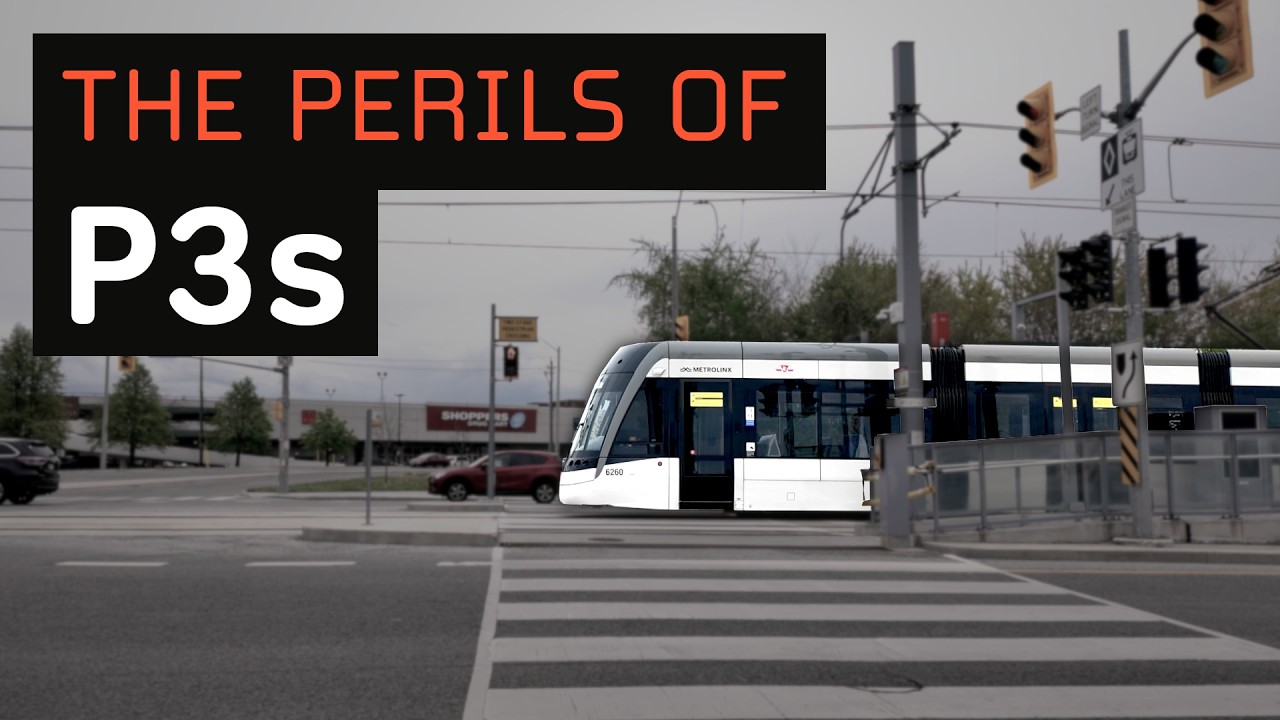
RMTransit a un video assez mixe sur ce qu’il dit sur le sujet des PPP. Bref, ça peut être un bon choix, mais encore faut-il utiliser ce véhicule pour les bonnes raisons dans le bon contexte.

1 « J'aime »

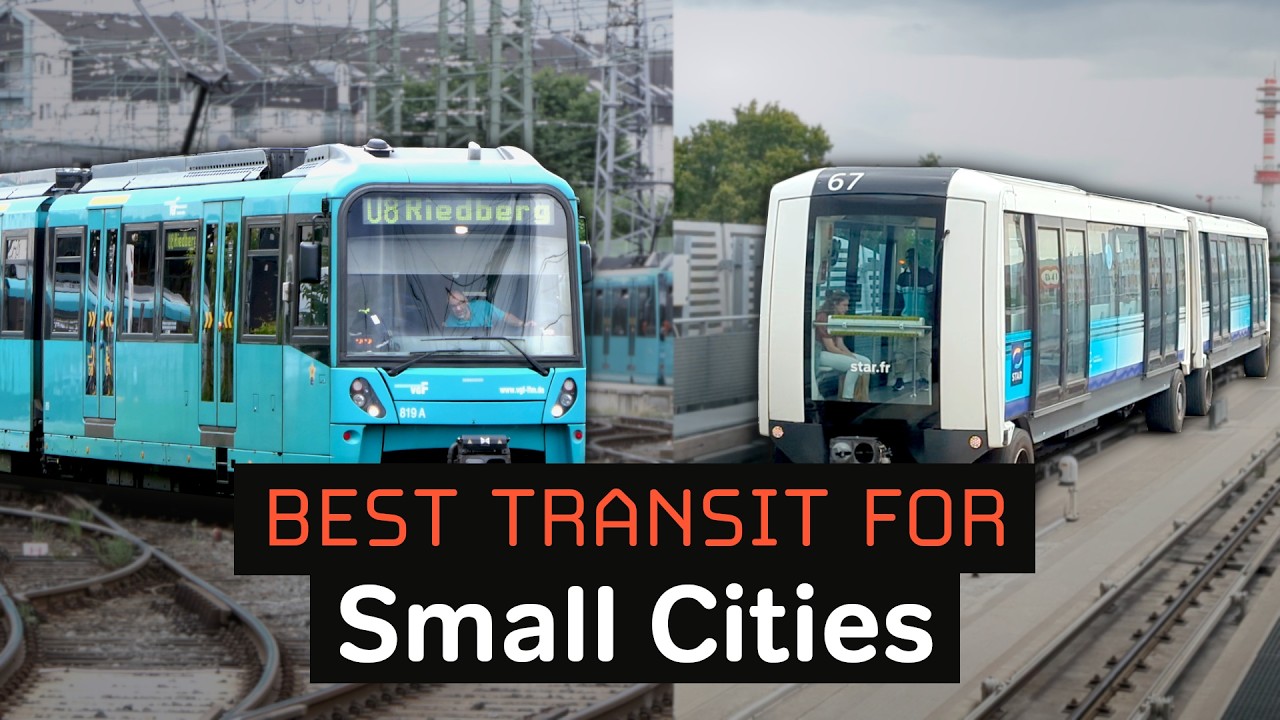
J’ai d’ailleurs bien aimé un autre de ses video récent où il parle des plus petites villes et des choix de mode de transit. J’aime particulièrement ce qu’il dit sur le pré-métro et planifier pour l’avenir. Ça me semble être une considération importante dans le contexte où on se prépare à construire un tramway à Québec.

1 « J'aime »