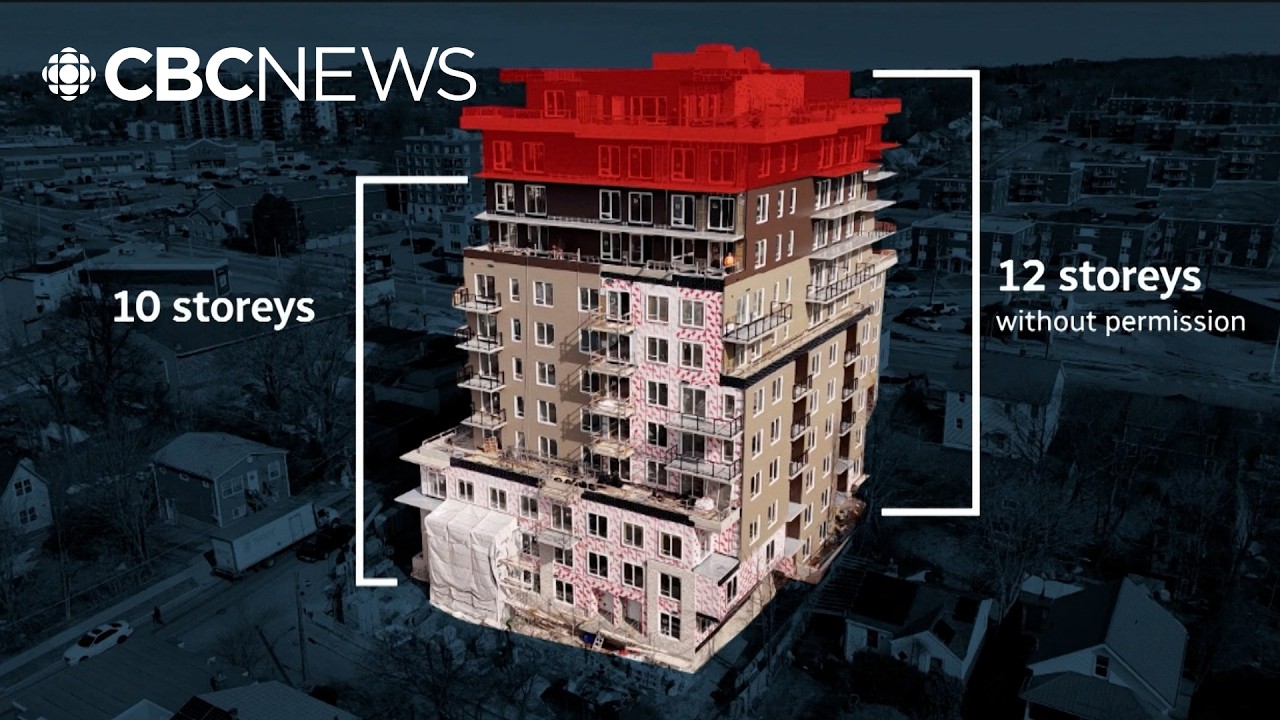
They built 2 extra floors. Now they have to tear them down
A developer in Dartmouth must now tear down the top two storeys of a building on Wyse Road, which it did not have permission to build, according to Halifax council. The CBC’s Haley Ryan reports.
Je ne comprends pas que personne n’ait remarqué qu’il y avait 2 étages de trop. Il me semble que même 1 étage de trop complété n’aurait pas dû arriver!
Ici, il me semble l’arrondissement aurait immédiatement suspendu le permis s’il y avait une dalle de trop qui avaient été coulée.
Les inspecteurs municipaux ne sont pas sur les chantiers à temps plein non plus ! D’où la raison pourquoi des promoteurs en profitent pour tricher de temps en temps.
Et ça, c’est quand ils ne font pas de la comptabilité créative, un peu comme pour le stationnement du CUSM, où le nombre d’étages dépend d’où tu mettais le rez-de-chaussée !
Pour rappel, SNC Lavalin a pu faire passer ça :
Non mais les voisins vont vite appeler le 311 pour rapporter tout étage supplémentaire. C’est arrivé il y a 2 ans dans Pointe-Saint-Charles. L’entrepreneur était en train de monter les murs d’un étage supplémentaire ou lieu de la mezzanine prévue aux plans. L’arrondissement a immédiatement envoyé un inspecteur qui a émis un arrêt des travaux et l’entrepreneur a dû tout défaire ce qui ne respectait pas les plans.
The 15 Most Extreme Megaprojects Under Construction
0:00 The 15 Most Extreme Megaprojects Under Construction
0:30 Longest & Deepest Rail Tunnel 3:25 Deepest Underwater Tunnel 4:18 Tallest Buildings 6:39 Largest Building by Volume 9:26 Largest Airport 10:38 Fastest Train 11:49 Biggest Subway Expansion 13:01 Most Powerful Hydropower Station 15:22 Tallest Dam 16:29 Largest Offshore Windfarm 16:52 Most Powerful Nuclear Power Plant 17:16 Longest & Tallest Suspension Bridge
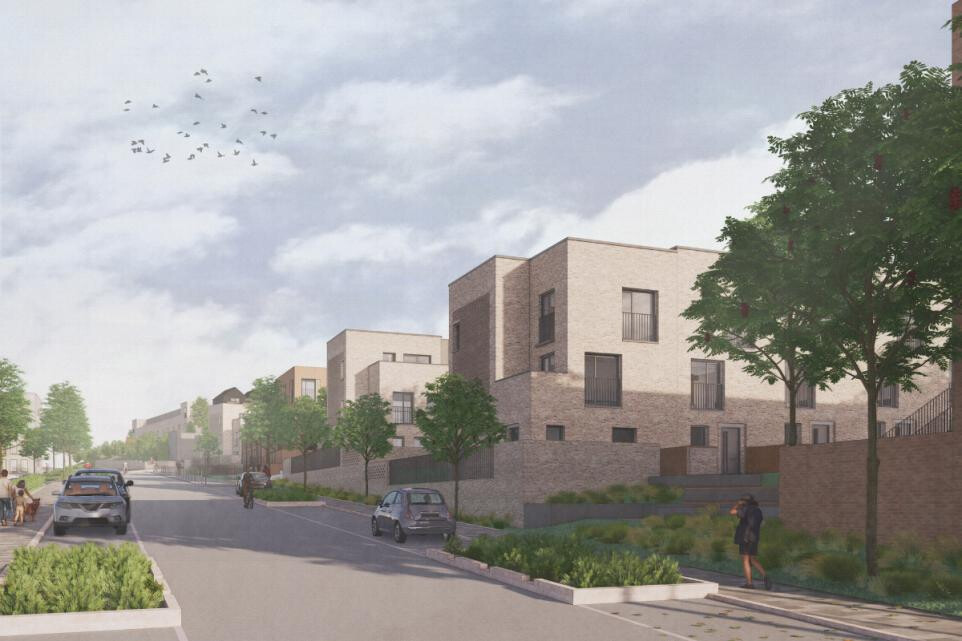
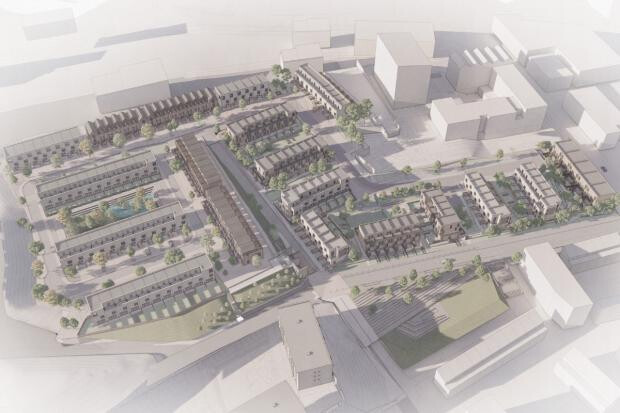
Glasgow City Council has given the green light to the third phase of Dundashill, which is being delivered by sustainable developer igloo Regeneration as part of a wider masterplan for 600 homes.
The development is built on the site of a former distillery and is focused on climate resilience, low-energy homes, and community connection.
Dundashill was one of the first distilleries to be established in Glasgow. It changed hands several times, before closing in 1902 and was demolished in 1903.
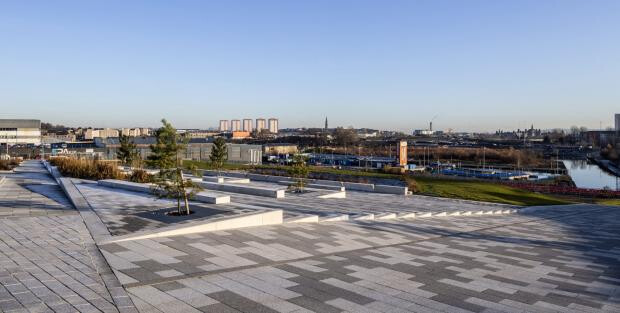
The new phase will bring a variety of housing options, including one- and two-bedroom garden apartments, two- and three-bedroom duplex lofts, and three- and four-bedroom townhouses with roof terraces offering panoramic views over the city and canal.
[…]
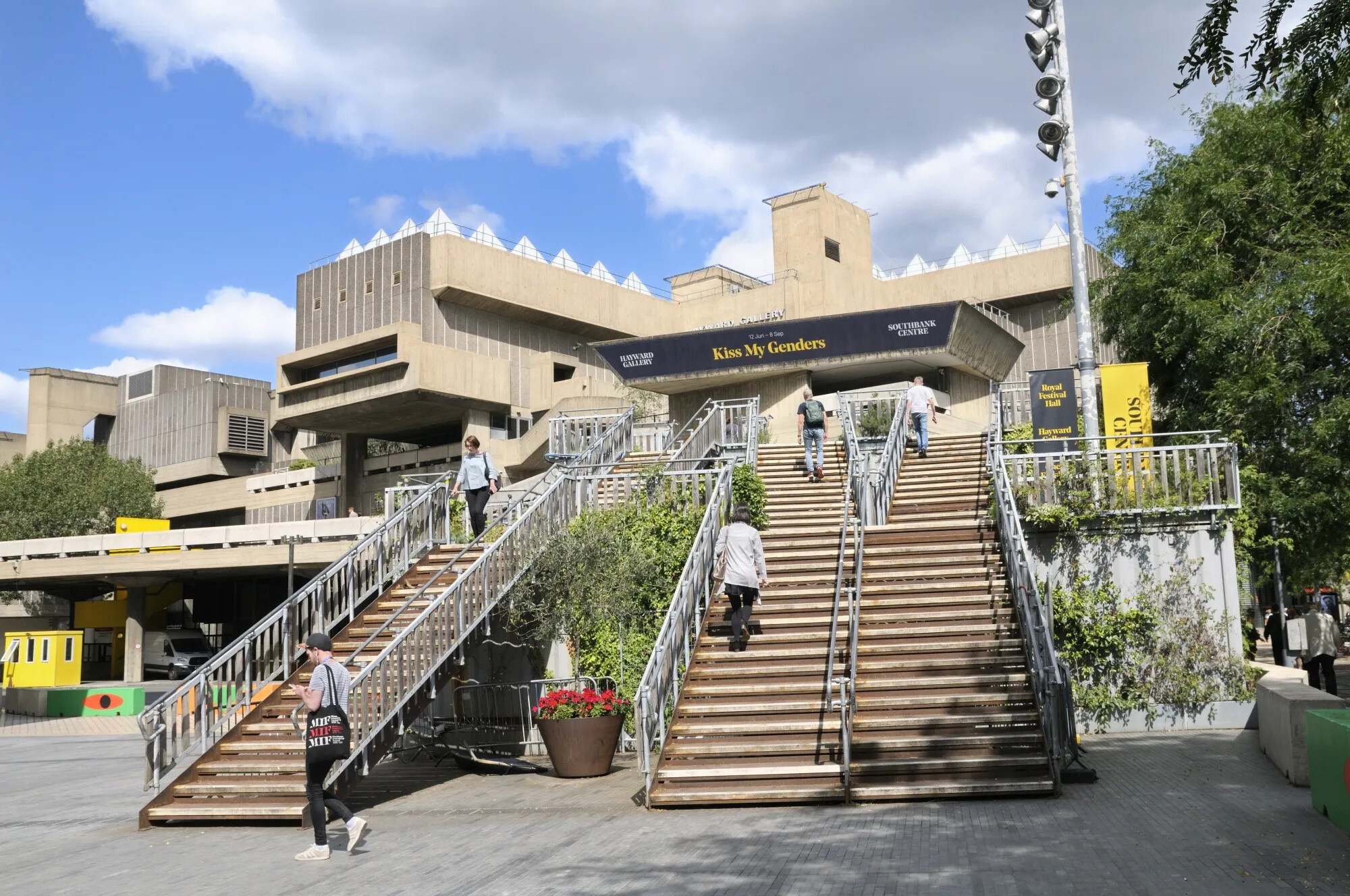
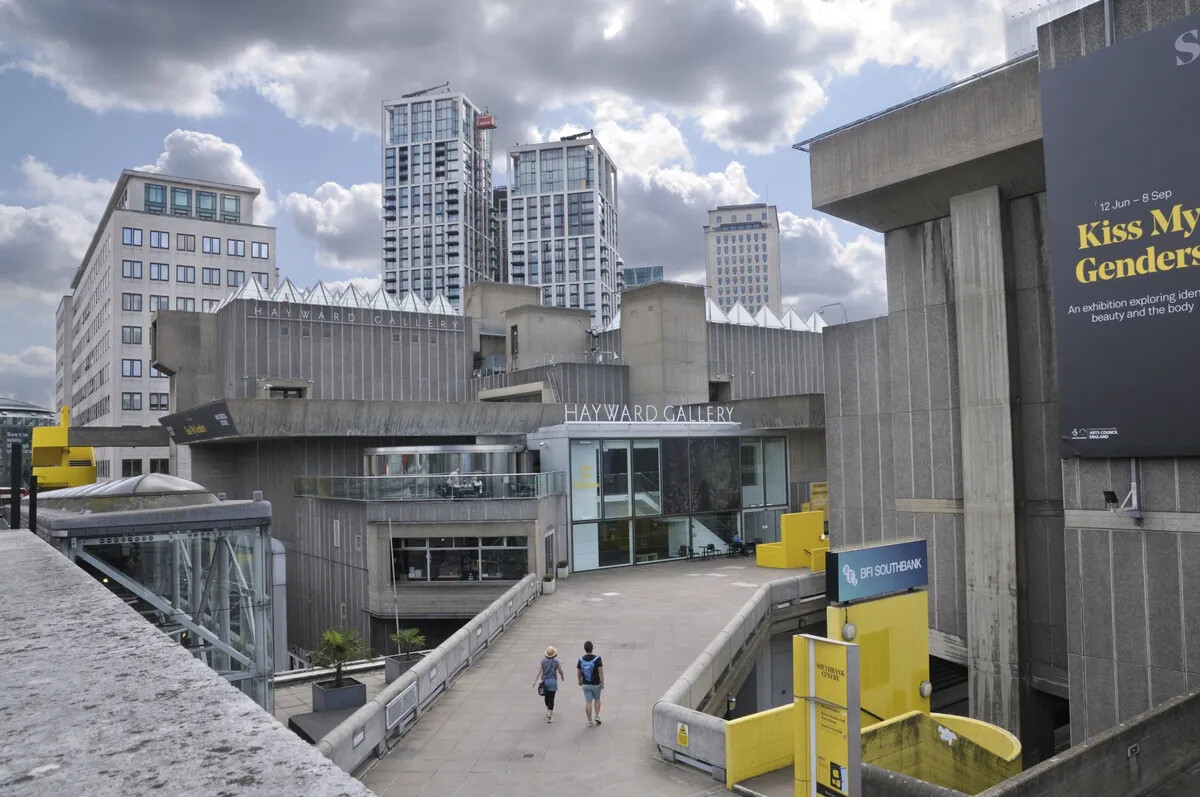
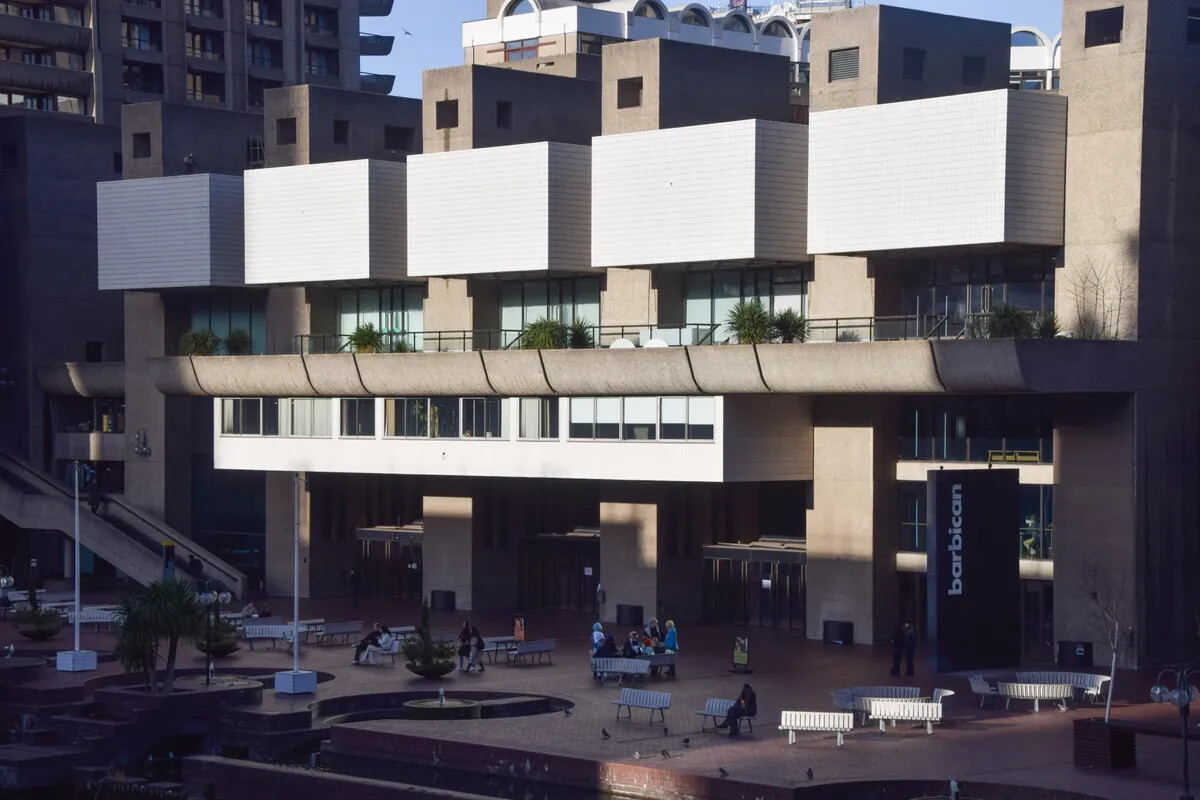
Once dubbed Britain’s ugliest building, the Brutalist arts complex known as the Southbank Centre is now a protected site drawing throngs of Londoners.
It’s been a bumpy 50 years for London’s Southbank Centre. A riverside arts complex completed in 1976 as an addition to the 1950s Royal Festival Hall, the Centre has for decades functioned as Britain’s bete noire for loathers of Brutalist architecture. Home to three concert halls and an exhibition gallery, its textured concrete walls, labyrinthine walkways and stark, spiky silhouettes saw it damned in a 1967 poll as Britain’s ugliest building — nine years before it was even completed. In 1988, then-Prince Charles famously compared it to a nuclear power station.
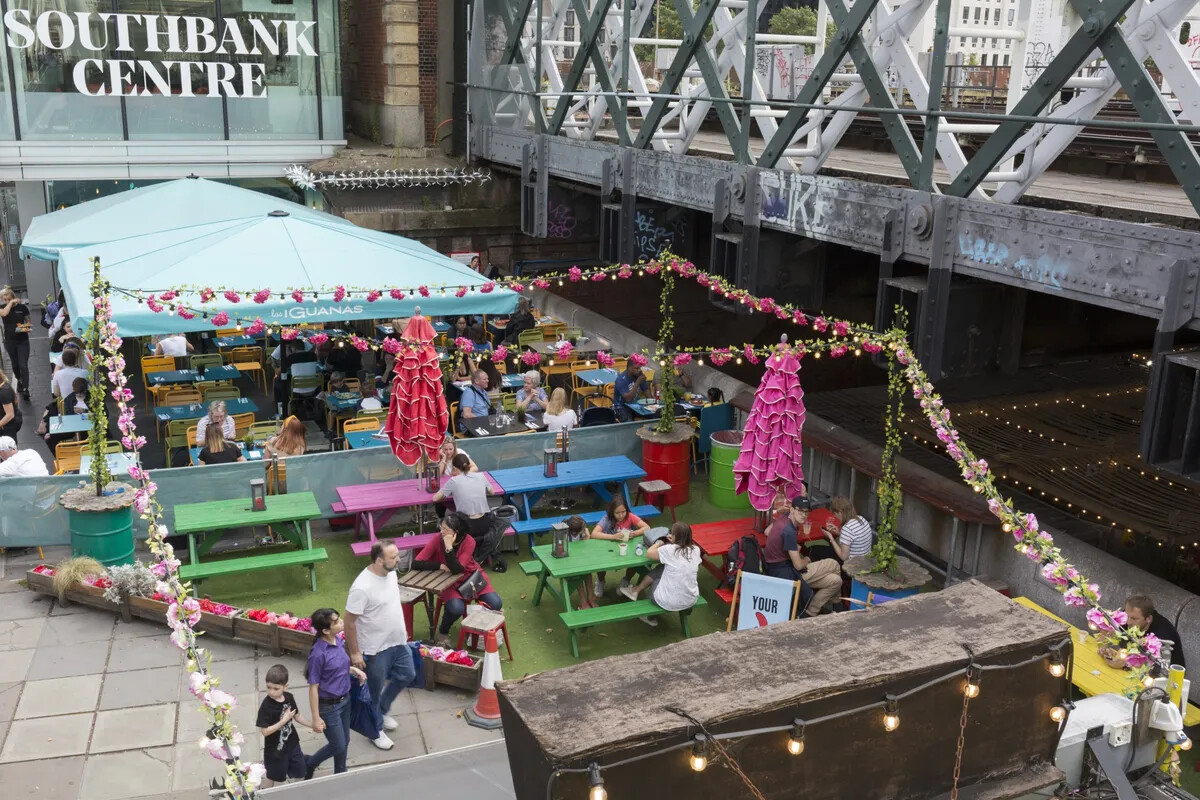
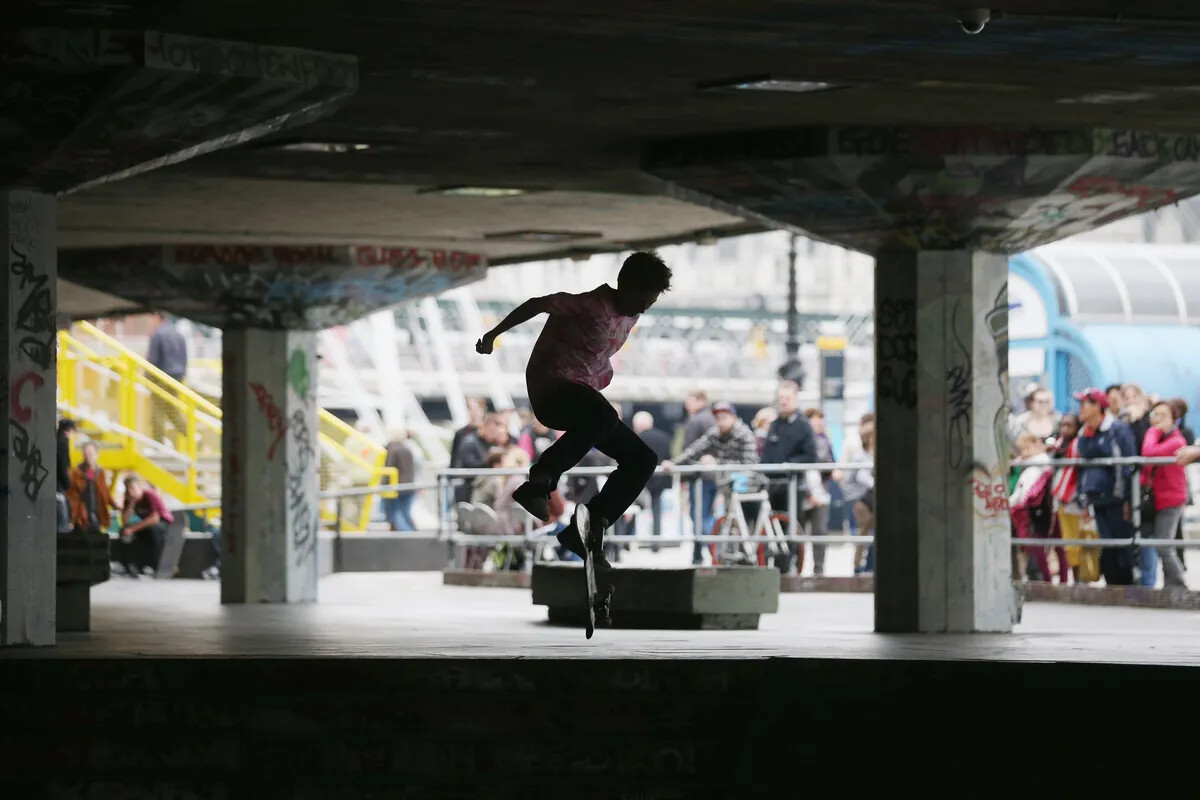
The Centre, which is part of larger complex that also includes the UK’s National Theatre (listed as a monument in 1994) and national cinematheque BFI Southbank, got something close to full rehabilitation this February, however, when it received listed status as a historical monument (a status already accorded individually to the Festival Hall in 1988). Such official protection alone does not automatically convey popular adoration, and several conservative-leaning critics have decried the decision. But people have voted with their feet: The Southbank has in recent decades become one of London’s most popular public spaces.
[…]
omme au Canada, l’accès à la propriété est devenu un problème aigu en Nouvelle-Zélande, surtout pendant la pandémie. Or, depuis le pic historique de 2021, le prix des propriétés a chuté de 30 %, grâce à la construction de maisons de ville qui a gonflé l’offre, mais aussi à des formes innovantes de financement. Le Québec pourrait-il en tirer des leçons ?
Ces réformes (abolir le zonage exclusif unifamilial et les ratios minimums de stationnement) ont été adoptées en 2020. 30% de baisse en 5 ans c’est fou!
Oui ça cause des enjeux de stationnement et oui ça a changé plusieurs voisinages, mais ces enjeux sont tellement moins importants que l’abordabilité du logement. Vraiment content de ce dossier de La Presse.
Réalisation à la suite d’un concours d’architercture gagné par l’architecte parisien Jean-Pierre Lott
L’impressionnant chantier de la nouvelle école d’art et de design de Reims
C’est un chantier d’envergure à Reims : celui de l’école supérieure d’art et de design. Les travaux ont été lancés en janvier 2024. Les étudiants devraient faire leur entrée en septembre 2026 dans un bâtiment entièrement repensé pour leurs cours et ateliers.
Après la Nouvelle-Zélande, un dossier sur l’habitation en Suisse
Vivre ensemble à bon prix
Dans l’un des pays les plus chers au monde, en Suisse, accéder à la propriété relève de plus en plus de la fiction. Résultat : les Suisses sont nombreux à se tourner vers la coopérative d’habitation. À Zurich, 25% de la population choisit ce mode de vie.
Reportage de Bloomberg sur la reconstruction du centre-ville d’Atlanta, Georgie
The $5 Billion Plan to Rebuild Downtown Atlanta
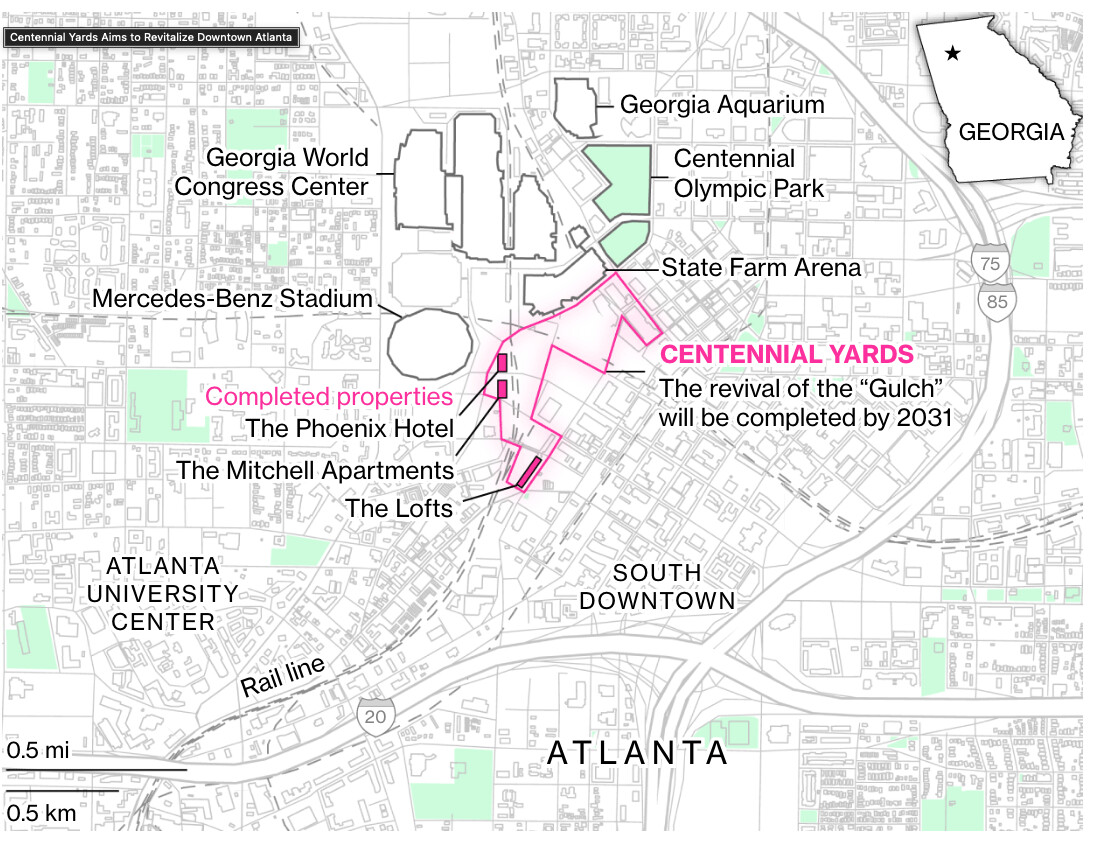
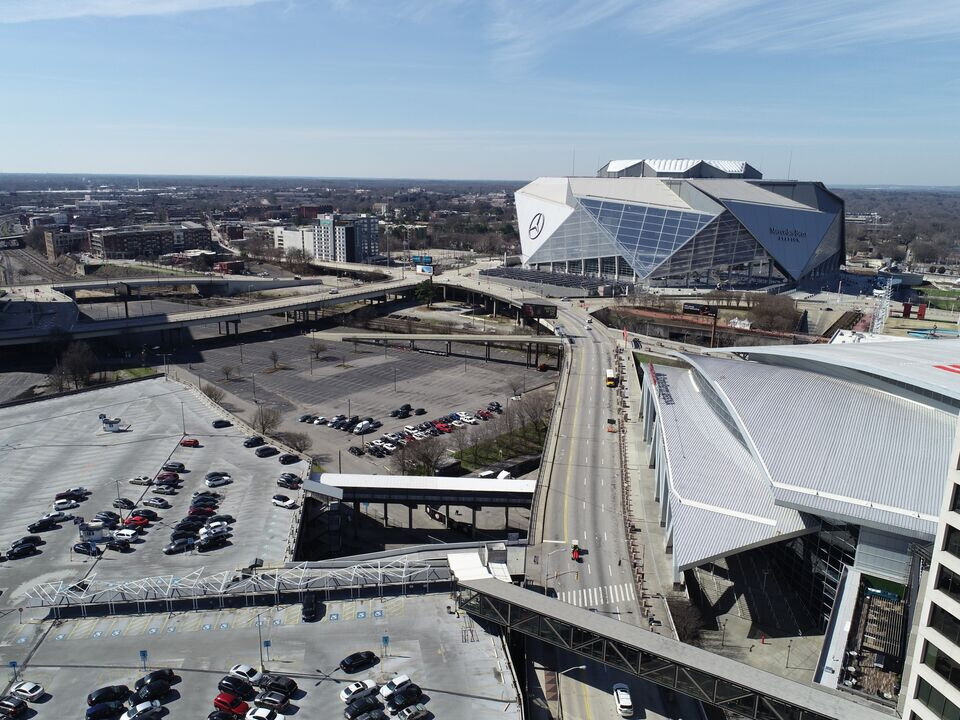
Downtown Atlanta was once the center of the city’s cultural and economic life, but decades of decline left much of it underused. Now, a $5 billion redevelopment project known as Centennial Yards aims to transform a 50 acre site called the Gulch into a new hub for housing, entertainment, and business.
With the 2026 FIFA World Cup approaching and billions at stake, the project raises a central question: can this effort restore lasting vitality to the heart of Atlanta?
The Centennial Yards project aims to transform a long-stalled site, with a coalition that leaned on local Black leaders to get it done.
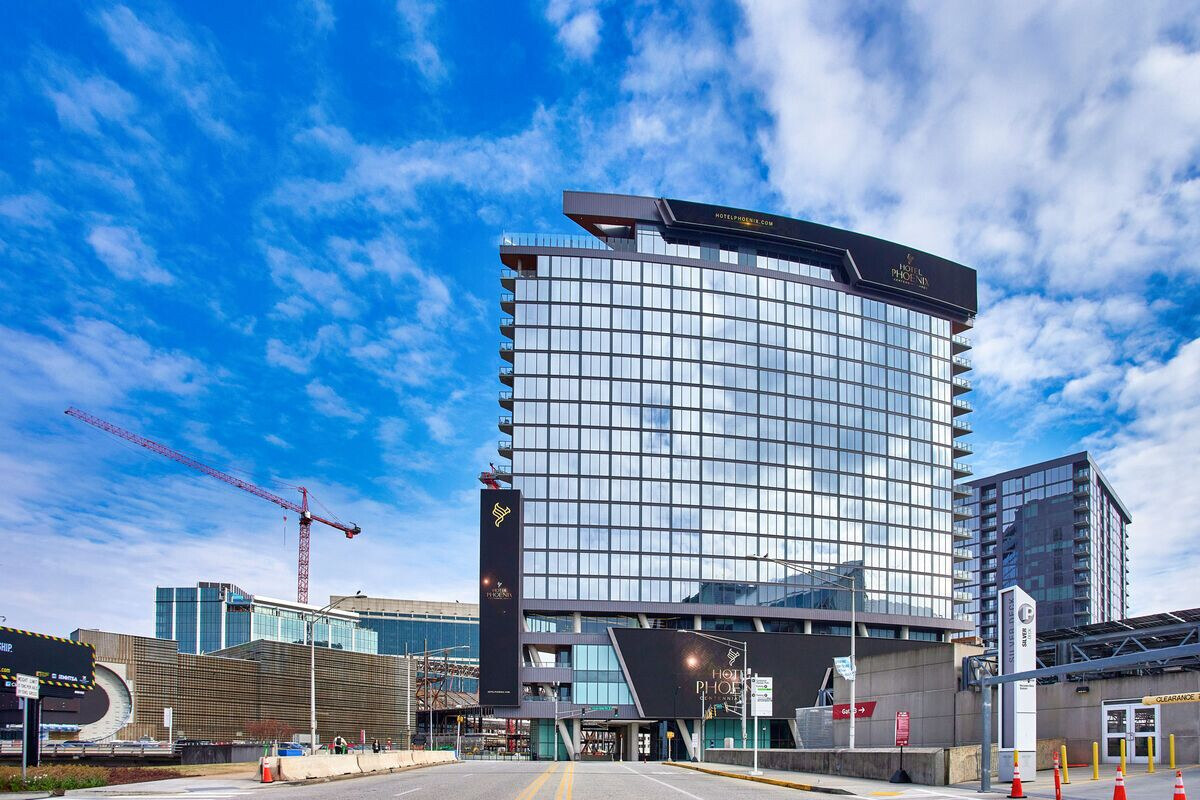
The 19-story Phoenix is among the first buildings to open at Centennial Yards, a $5 billion redevelopment of downtown land long known as “The Gulch.” For decades, the site was a foreboding dead zone marked by a tangle of old railroad lines with city streets built 40 feet above. Despite its central location, the challenging infrastructure and competing local interests for years derailed any thoughts of developing the tract.
Now, backed by nearly $2 billion in public incentives, Ressler and CIM Group — a real estate development firm co-founded by his brother, Richard — are betting it will become a thriving sports and entertainment district that will reshape Atlanta’s struggling urban core.
[…]
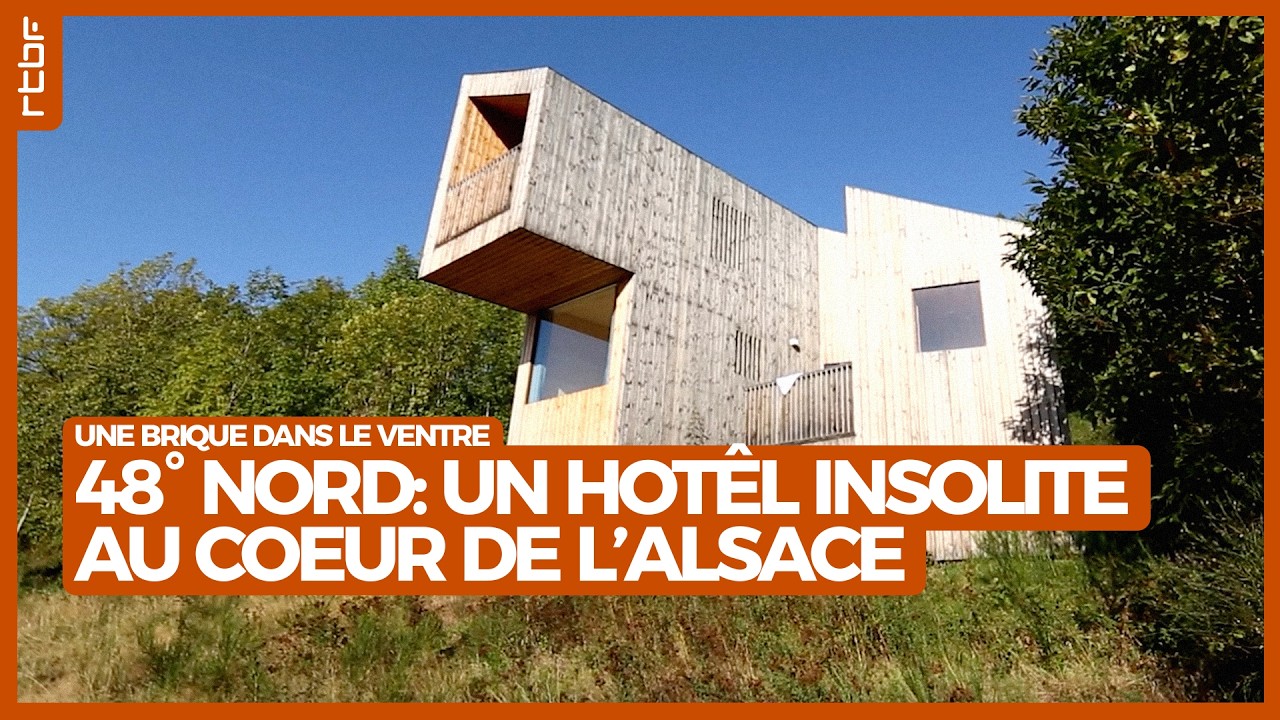
48° Nord : un hôtel insolite au cœur de l’Alsace | Une brique dans le ventre
Envie de partir en escapade au cœur de la nature alsacienne ? L’hôtel 48° Nord est installé dans un écrin de seulement 14 hyttes chaleureuses réalisées en bois scandinave. L’ensemble répond aux valeurs des bâtis écologiques. Une belle preuve que la nature, l’écologie et la modernité sont compatibles.
Reportage de TF1 sur les chambres de bonnes en France, des petits appartements qui font environ 9 m2
Enquête : chambres de bonnes : petites surfaces, grande rentabilité|TF1 INFO
La crise du logement atteint des niveaux dramatiques : une tension qui permet à certains de louer à des prix prohibitifs de toutes petites surfaces. Les fameuses chambres de bonnes doivent pourtant répondre à des critères très précis.
J’ai vécu 2 ans dans une chambre de bonne à Paris - 12 m², toilettes sur le palier mais pas de douche (je devais aller aux bains douches ou à la piscine pour me laver). J’avais quand même de la chance car j’avais un ascenceur et mon appartement avait principalement des murs droits, mais ça reste très claustrophobique et l’été il fait extrêmement chaud. Mes voisins de palier était un couple avec deux jumeaux d’environ 6 ans, dans un appartement similaire en taille au mien, je n’imagine même pas comment ça devait être pour eux.
Reportage de la BBC sur les travaux de rénovations du stade du FC Barcelone
Avec un toit rétractable!
Inside FC Barcelona’s £1bn smart stadium | BBC News
Smarter stadiums can be found across the globe. From Mercedes-Benz Stadium in Atlanta to the Japanese national stadium in Tokyo, both are pushing the boundaries of what a venue can offer. But what makes FC Barcelona’s stadium different?
Work began in June 2023 at a cost of about £1.1bn, with Camp Nou now reopening in phases. When the project finishes in 2027, the stadium will be able to hold over 100,000 fans, and it will become one of the largest (and smartest) football venues in the world.
The aim is to produce a sustainable, smart, and green venue with a retractable roof to harvest rainwater and produce solar energy.
BBC Tech Now went inside the new Camp Nou to see how technology is reshaping the fan experience.
Le Tennessee Performing Arts Center à Nashville est un excellent exemple de la manière dont l’architecture peut façonner l’identité culturelle d’une ville — vraiment très inspirant !
Le maire de New York veut enlever les échaffaudages inutiles de sa ville!
Montréal devrait resserrer la vis sur les bâtiments qui ont des échauffaudages pendant des années avec aucun trvaux… looking at you Immigration, Réfugiés et Citoyenneté Canada (coin saint-Jacques/Peel)